How does a clay-tempered hamon differ from an acid-etched one?

 Updated Mar 2026

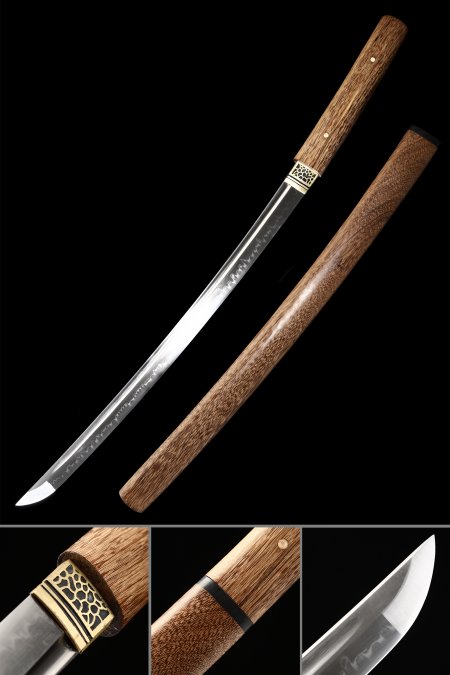
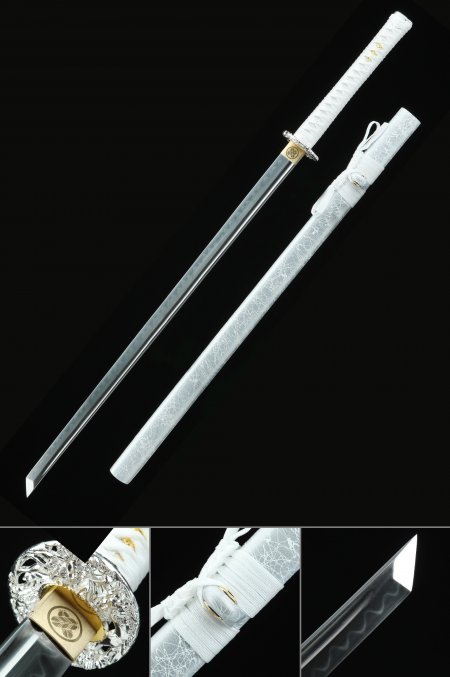
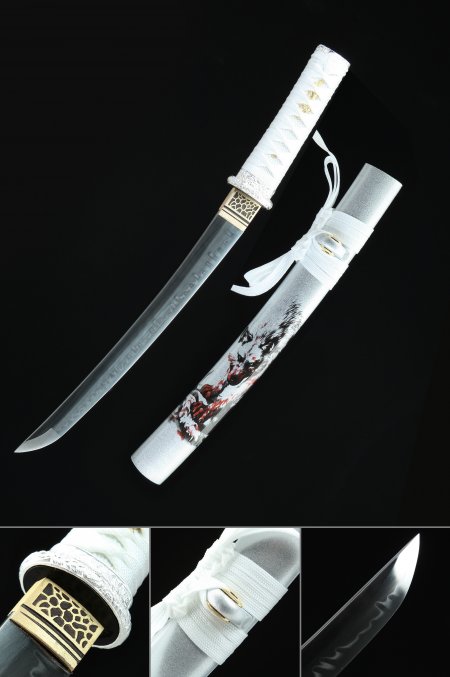
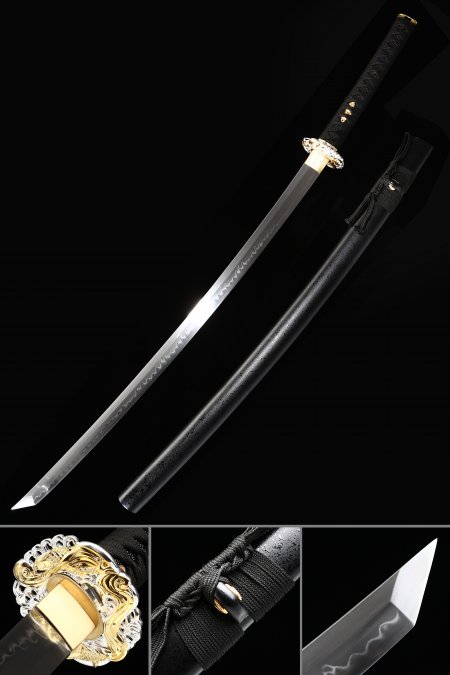
A clay-tempered hamon is a structural feature: it marks the transition zone between the hardened edge and the softer spine created during differential quenching. Under good lighting or a loupe, you will see a milky, cloud-like boundary with nie (crystalline particles) or nioi (fine misty activity) - qualities formed by actual metallurgical change. An acid-etched hamon, by contrast, is applied after the blade is ground; it mimics the appearance but does not reflect any real hardness differential. The T10 pieces in this collection use genuine clay tempering, so the hamon you see corresponds to actual steel structure, which is the primary reason collectors value the process.
Popular Products

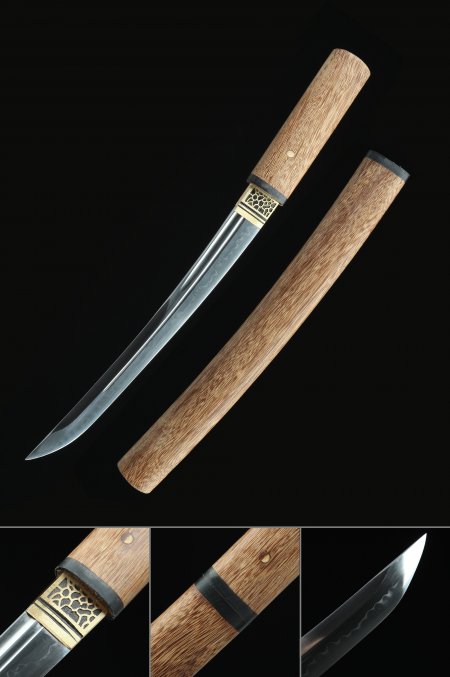
15% OFFshirasaya tanto
149.00 USD
179.00 USD
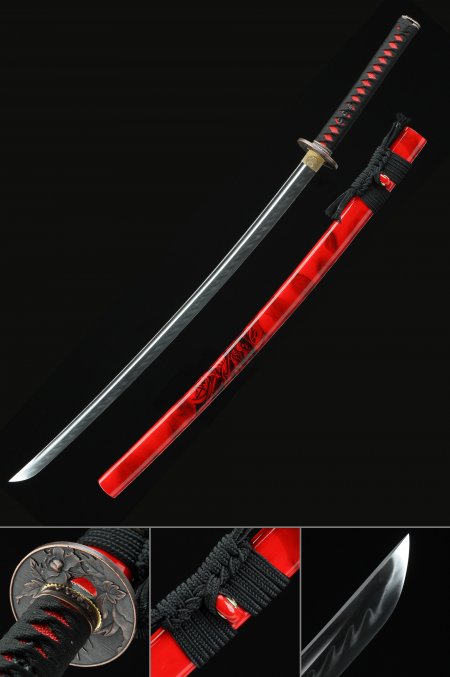
15% OFFred katana
199.00 USD
229.00 USD
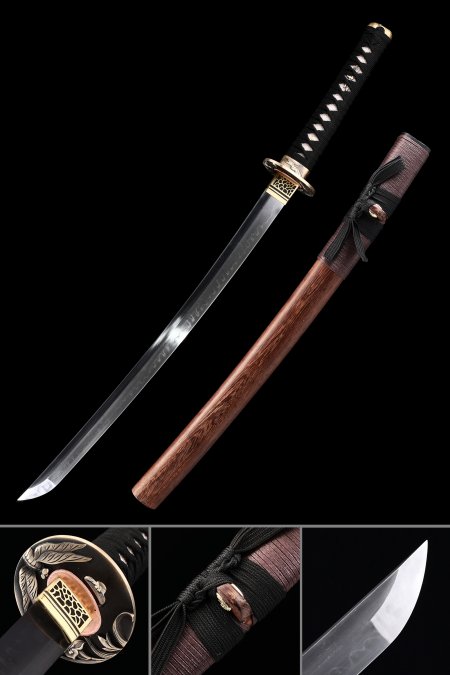
20% OFFwakizashi sword
219.00 USD
279.00 USD
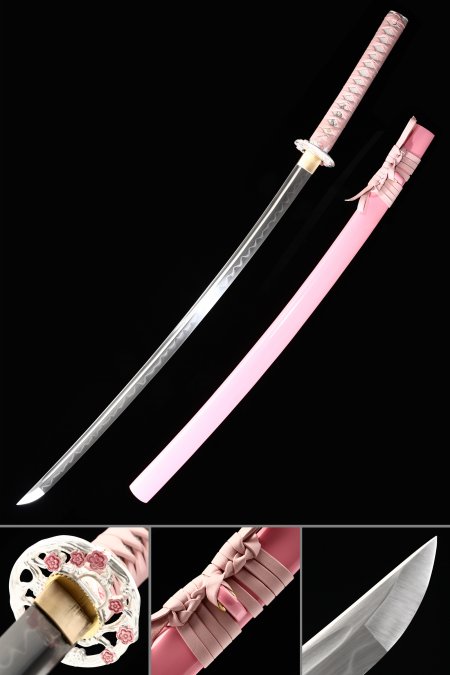
15% OFFpink katana
189.00 USD
219.00 USD
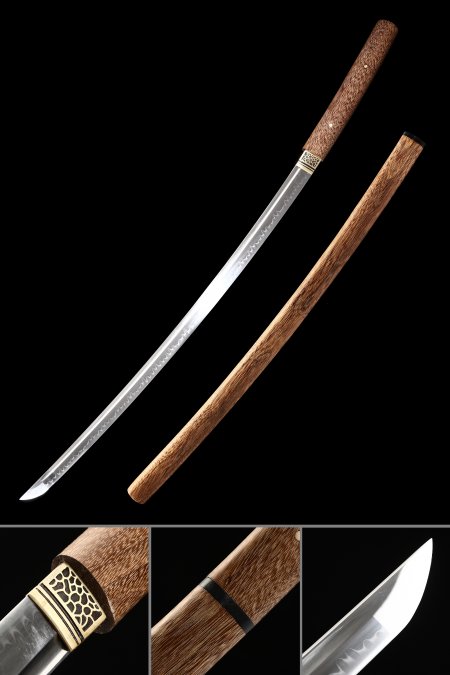
20% OFFshirasaya katana
209.00 USD
259.00 USD
20% OFFfull tang katana
319.00 USD
399.00 USD
20% OFFshirasaya wakizashi
179.00 USD
219.00 USD
20% OFFchokuto sword
159.00 USD
199.00 USD
15% OFFtanto sword
149.00 USD
179.00 USD
15% OFFblack katana
199.00 USD
229.00 USD
15% OFFjapanese katana
199.00 USD
239.00 USD
20% OFFblue katana
209.00 USD
259.00 USD
15% OFFshirasaya tanto
149.00 USD
179.00 USD
15% OFFred katana
199.00 USD
229.00 USD
20% OFFwakizashi sword
219.00 USD
279.00 USD
15% OFFpink katana
189.00 USD
219.00 USD
20% OFFshirasaya katana
209.00 USD
259.00 USD
20% OFFfull tang katana
319.00 USD
399.00 USD
20% OFFshirasaya wakizashi
179.00 USD
219.00 USD
20% OFFchokuto sword
159.00 USD
199.00 USD
15% OFFtanto sword
149.00 USD
179.00 USD
15% OFFblack katana
199.00 USD
229.00 USD
15% OFFjapanese katana
199.00 USD
239.00 USD
20% OFFblue katana
209.00 USD
259.00 USD

Explore Our Collections