How does a real hamon form on T10 carbon steel?

 Updated Mar 2026

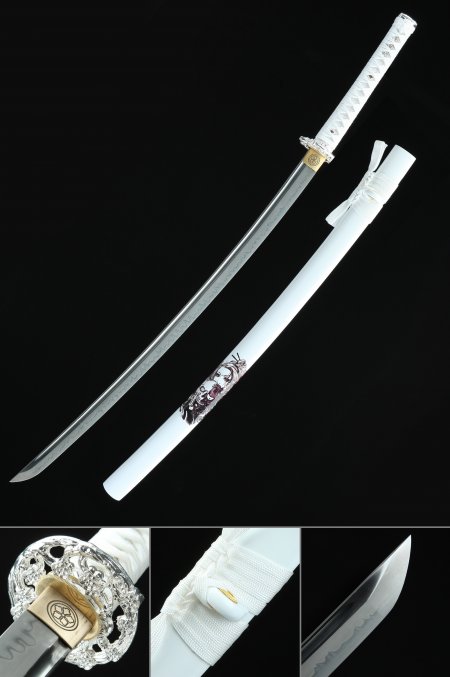
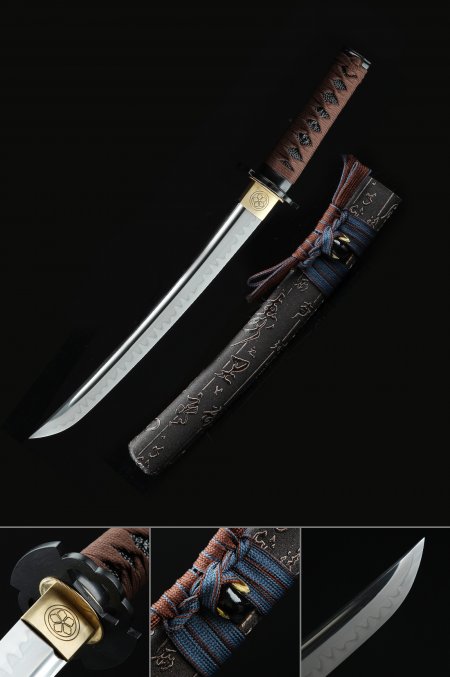
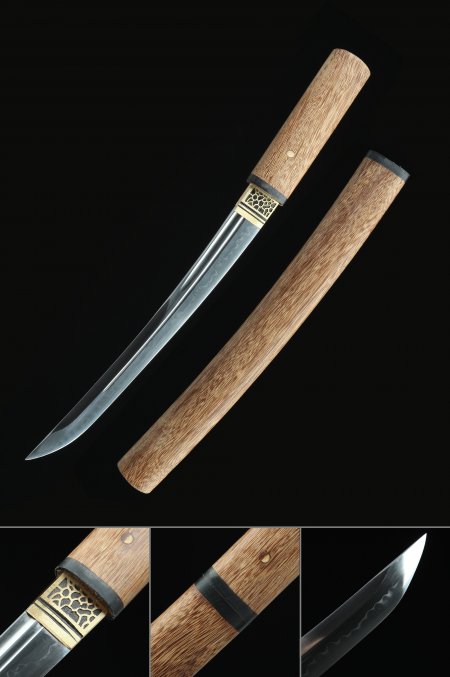
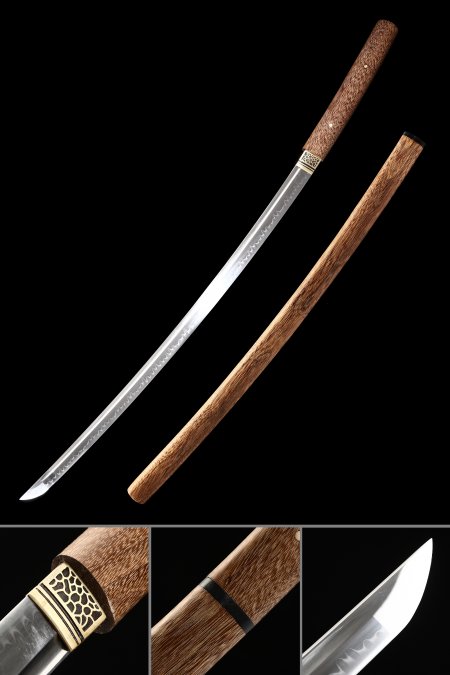
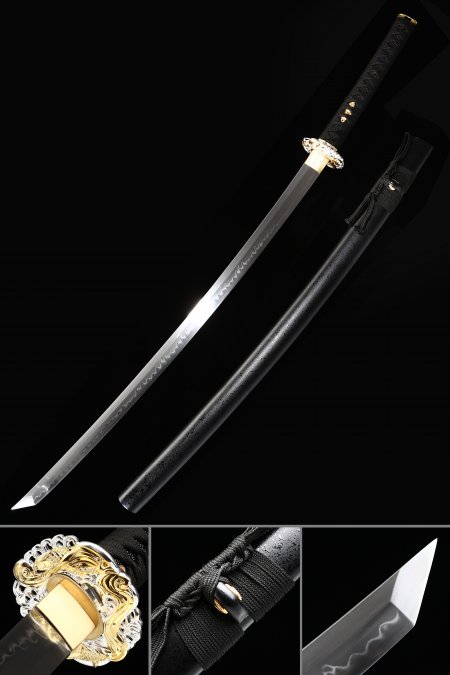
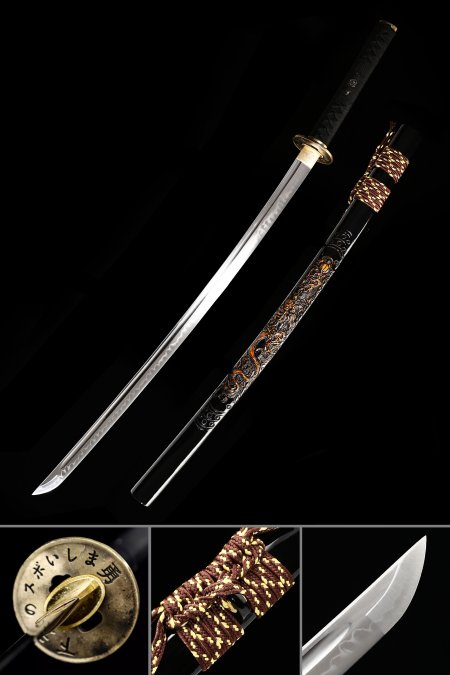
A hamon is produced through a process called differential hardening, or tsuchioki. A clay mixture is applied along the spine of the blade before the final quench — thicker along the back, thinner or absent near the edge. When the blade is heated and quenched in water or oil, the exposed edge cools rapidly and hardens into a martensitic crystalline structure, while the clay-insulated spine cools slowly and remains softer. The boundary between these two zones creates the visible hamon line. T10 carbon steel, with its relatively high carbon content and fine grain, responds particularly well to this technique, producing a hamon with strong visual definition and subtle activity along the transition zone. Each hamon is unique — no two blades will show identical patterns.
Popular Products

20% OFFwakizashi sword
219.00 USD
279.00 USD
20% OFF
259.00 USD
329.00 USD
15% OFFwhite katana
209.00 USD
249.00 USD
15% OFFtanto sword
179.00 USD
209.00 USD
15% OFFjapanese katana
199.00 USD
239.00 USD
15% OFFshirasaya tanto
149.00 USD
179.00 USD
20% OFFshirasaya katana
209.00 USD
259.00 USD
15% OFFred katana
199.00 USD
229.00 USD
15% OFFblack katana
199.00 USD
229.00 USD
20% OFFjapanese katana
209.00 USD
259.00 USD
20% OFFshirasaya wakizashi
179.00 USD
219.00 USD
20% OFFjapanese katana
169.00 USD
209.00 USD
20% OFFwakizashi sword
219.00 USD
279.00 USD
20% OFF
259.00 USD
329.00 USD
15% OFFwhite katana
209.00 USD
249.00 USD
15% OFFtanto sword
179.00 USD
209.00 USD
15% OFFjapanese katana
199.00 USD
239.00 USD
15% OFFshirasaya tanto
149.00 USD
179.00 USD
20% OFFshirasaya katana
209.00 USD
259.00 USD
15% OFFred katana
199.00 USD
229.00 USD
15% OFFblack katana
199.00 USD
229.00 USD
20% OFFjapanese katana
209.00 USD
259.00 USD
20% OFFshirasaya wakizashi
179.00 USD
219.00 USD
20% OFFjapanese katana
169.00 USD
209.00 USD

Explore Our Collections