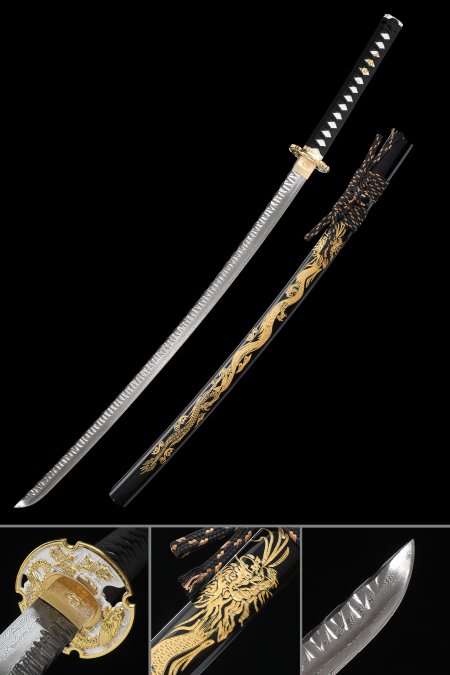
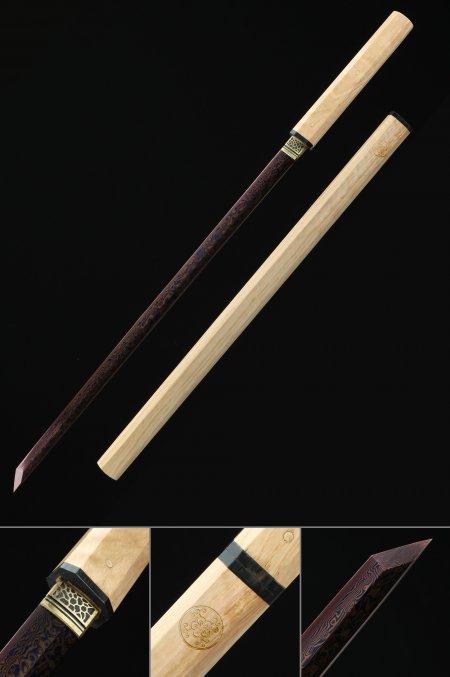
How does Damascus steel differ from high-carbon monosteel in naginata blades?

 Updated Mar 2026

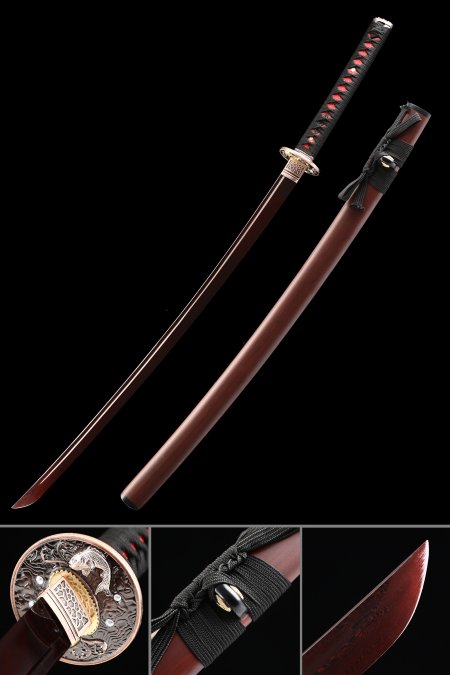
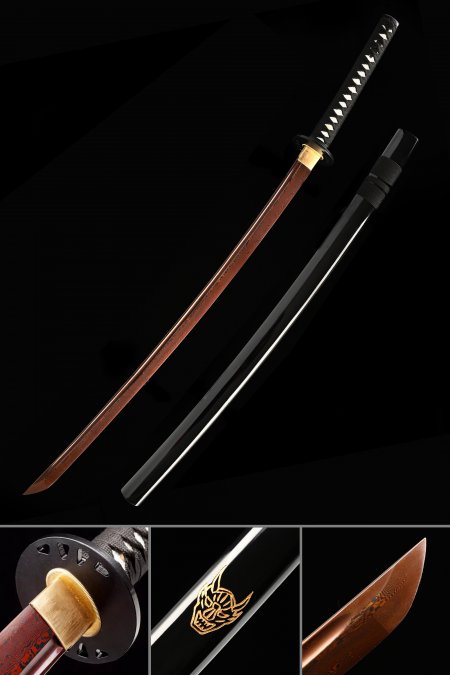
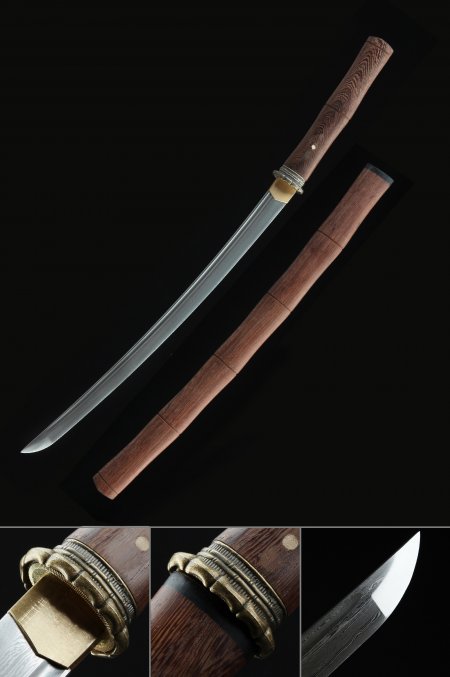
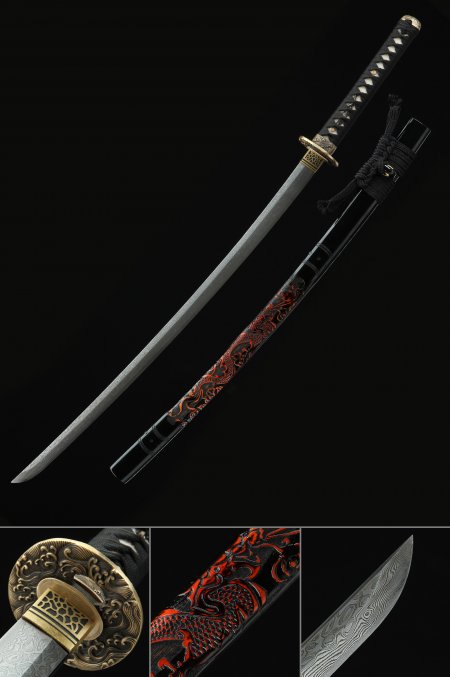
Damascus pattern steel is formed by forge-welding multiple steel billets together, then repeatedly folding and drawing out the material to create layered internal structure. The acid-etching step applied after grinding and polishing reveals this layered grain as a flowing, visible pattern across the blade surface - no two pieces are identical. Monosteel naginata blades, by contrast, are ground from a single billet of uniform composition, producing a clean, mirror-like or satin finish without surface patterning. For display and collectible purposes, Damascus construction is prized because the pattern itself is evidence of the forging process - a visual record of the maker's work that gives each piece a one-of-a-kind character. Both constructions can achieve a functional edge, but the aesthetic distinction is the primary driver in collector markets.
Popular Products

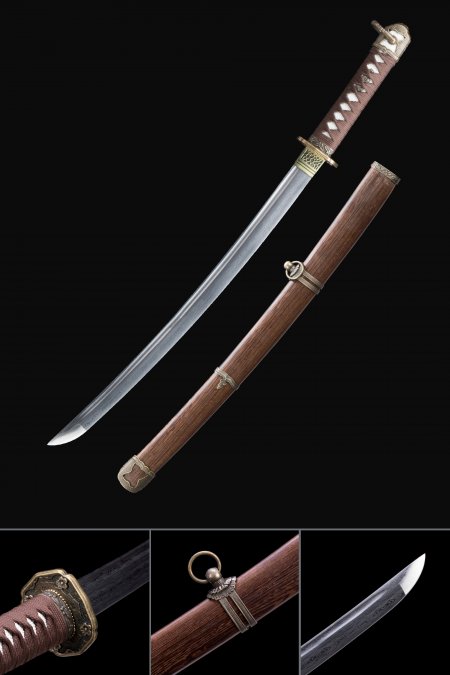
15% OFFww2 wakizashi
169.00 USD
199.00 USD
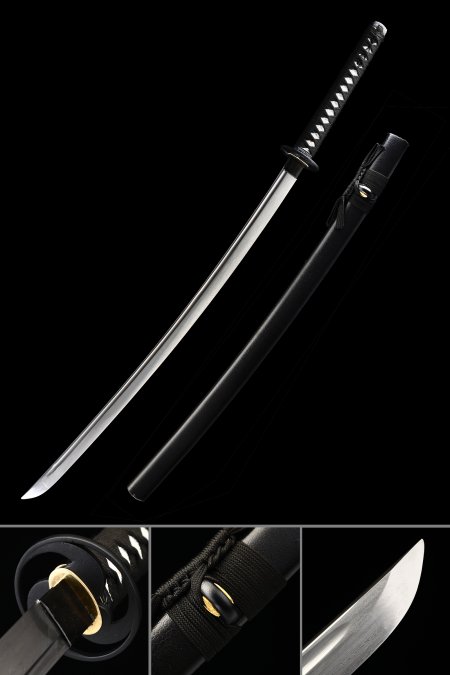
15% OFFblack katana
179.00 USD
209.00 USD
15% OFFkatana sword
199.00 USD
239.00 USD
15% OFFkill bill sword
199.00 USD
229.00 USD
15% OFFshort katana
199.00 USD
239.00 USD
20% OFFdamascus katana
309.00 USD
389.00 USD
20% OFFdamascus katana
619.00 USD
769.00 USD
20% OFFsamurai sword
289.00 USD
359.00 USD
20% OFFblack katana
159.00 USD
199.00 USD
20% OFFtachi sword
249.00 USD
309.00 USD
20% OFFdamascus katana
279.00 USD
349.00 USD
15% OFFshikomizue sword
229.00 USD
269.00 USD
15% OFFww2 wakizashi
169.00 USD
199.00 USD
15% OFFblack katana
179.00 USD
209.00 USD
15% OFFkatana sword
199.00 USD
239.00 USD
15% OFFkill bill sword
199.00 USD
229.00 USD
15% OFFshort katana
199.00 USD
239.00 USD
20% OFFdamascus katana
309.00 USD
389.00 USD
20% OFFdamascus katana
619.00 USD
769.00 USD
20% OFFsamurai sword
289.00 USD
359.00 USD
20% OFFblack katana
159.00 USD
199.00 USD
20% OFFtachi sword
249.00 USD
309.00 USD
20% OFFdamascus katana
279.00 USD
349.00 USD
15% OFFshikomizue sword
229.00 USD
269.00 USD

Explore Our Collections