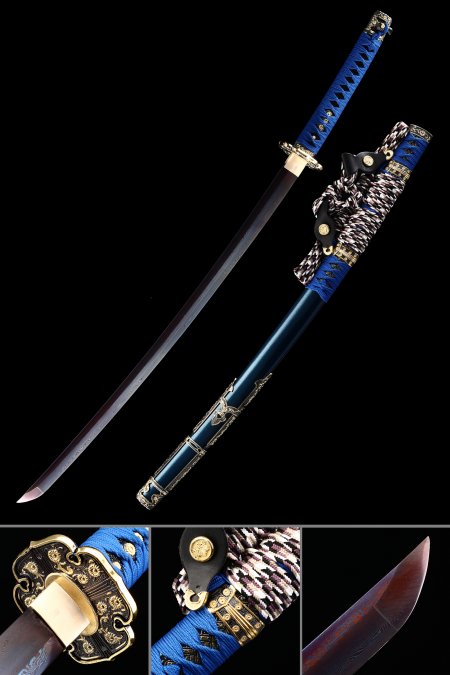
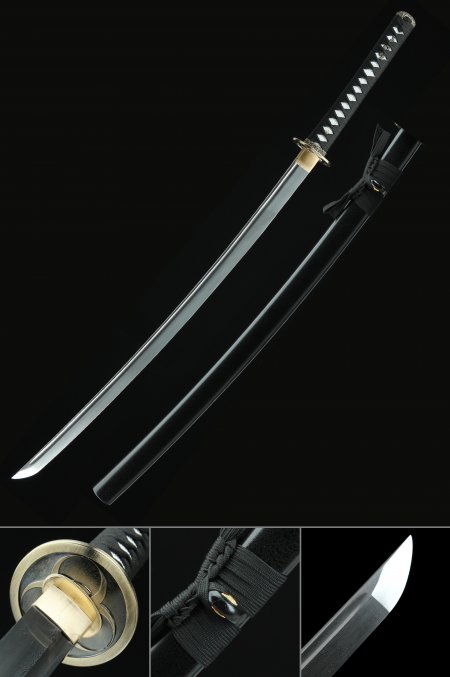
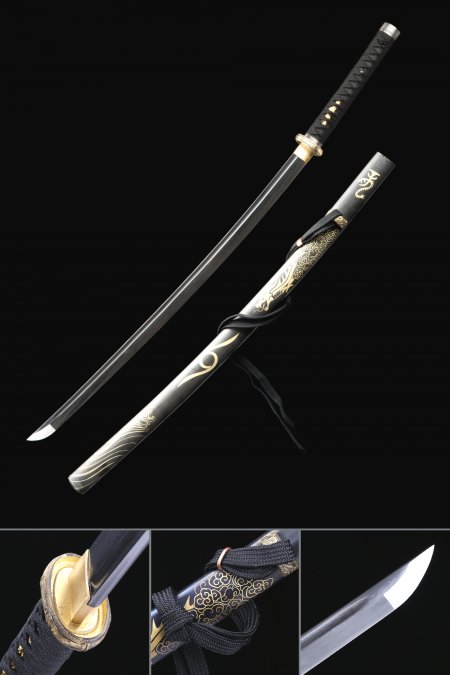
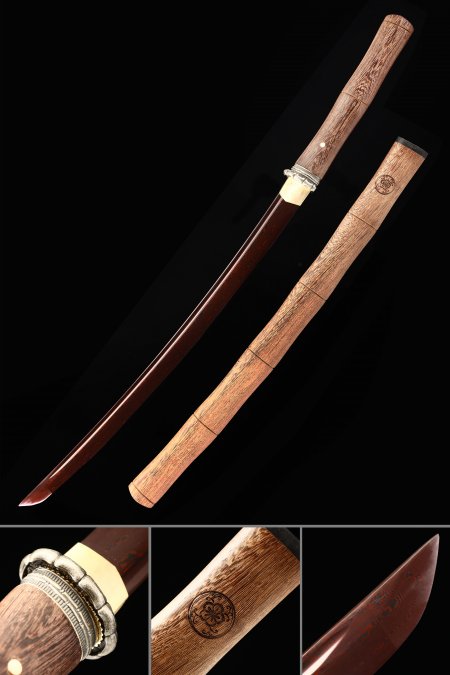
What is a real hamon, and how is it formed on these blades?
Updated Mar 2026
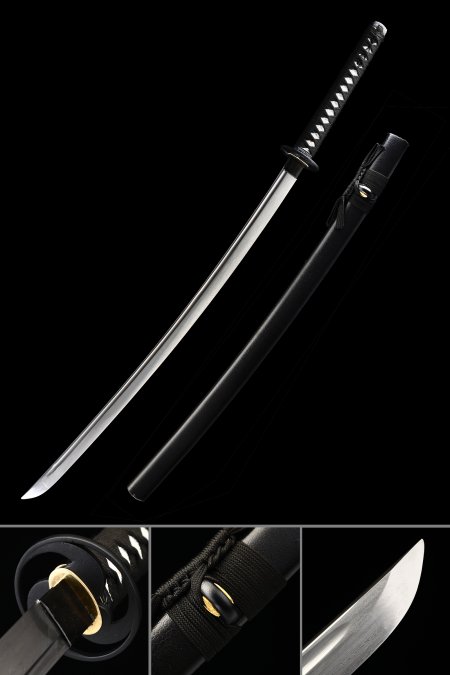
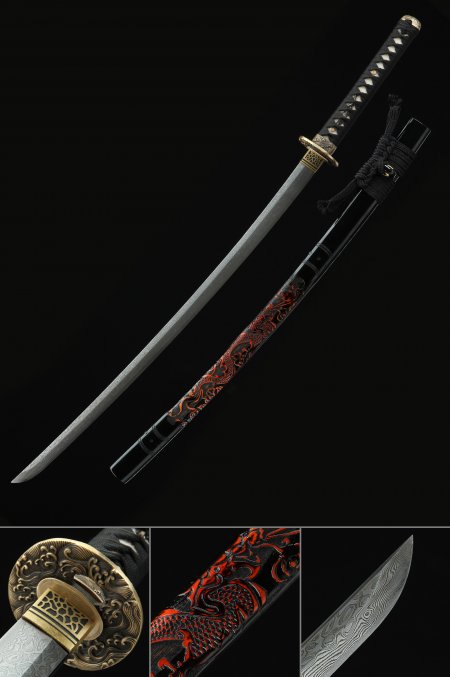
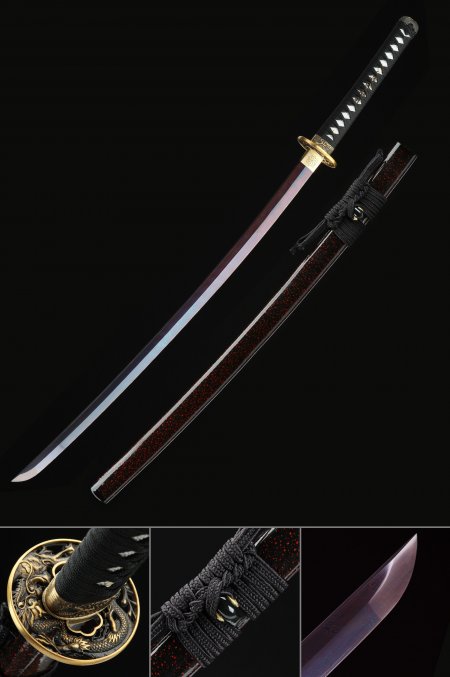
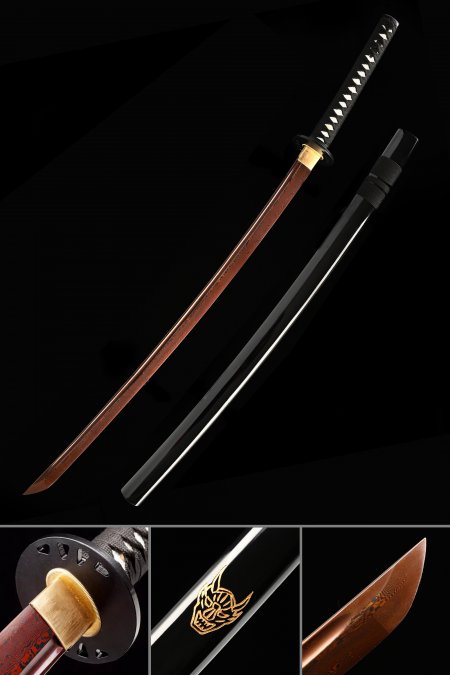
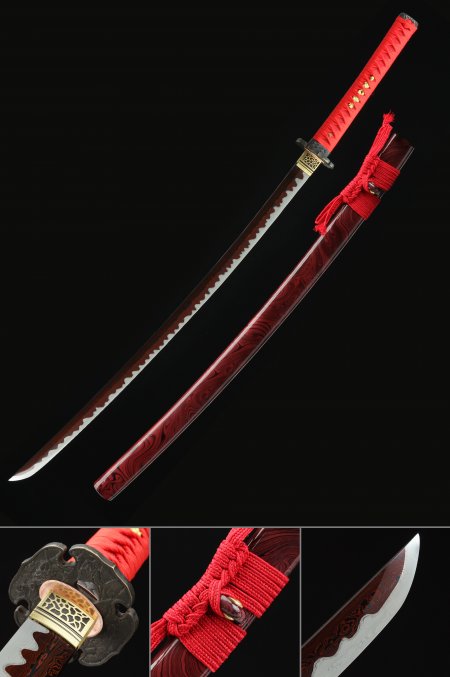
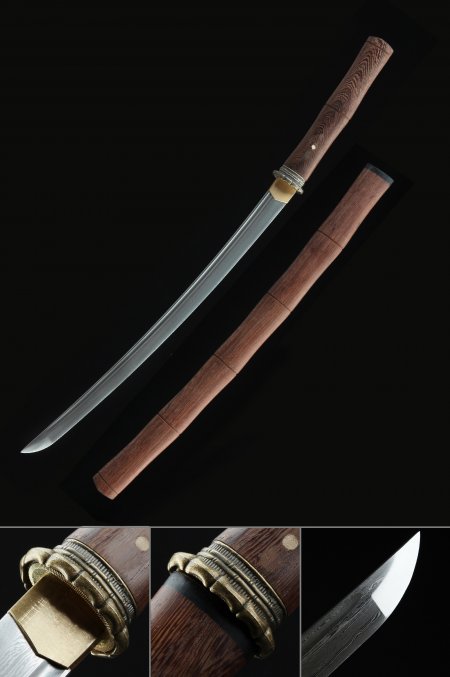
A hamon is the visible temper line that forms along a blade after clay differential tempering. During this process, the smith applies a layer of clay to the spine of the blade before quenching, which causes the spine to cool more slowly and remain relatively soft and flexible. The edge, exposed directly to the quench, hardens into a high-carbon crystalline structure called martensite. The boundary between these two zones becomes visible after polishing as a misty, undulating line — the hamon. On the Damascus Steel Naginata pieces in this collection, the hamon is the result of this authentic heat-treatment process, not acid etching or mechanical engraving. It is a permanent feature embedded in the steel's metallurgical structure.