What makes T10 clay-tempered naginata blades special?
Updated Mar 2026
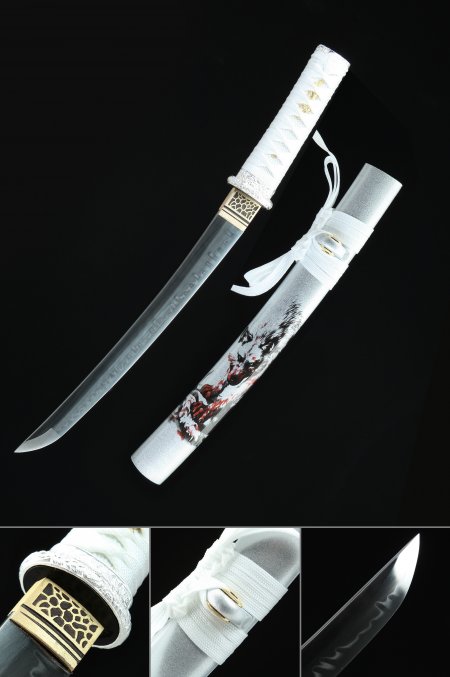
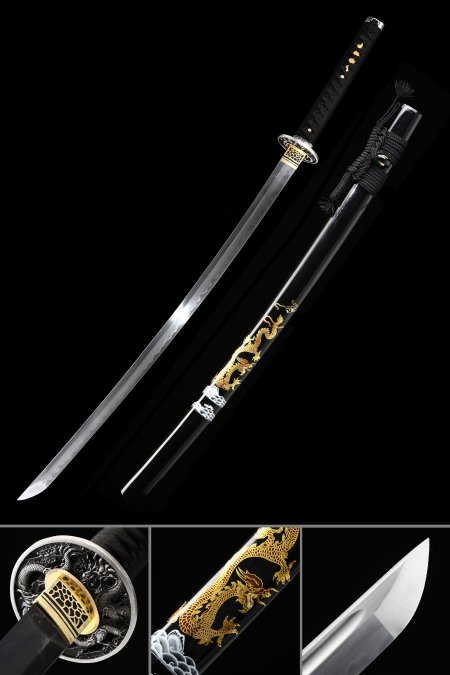
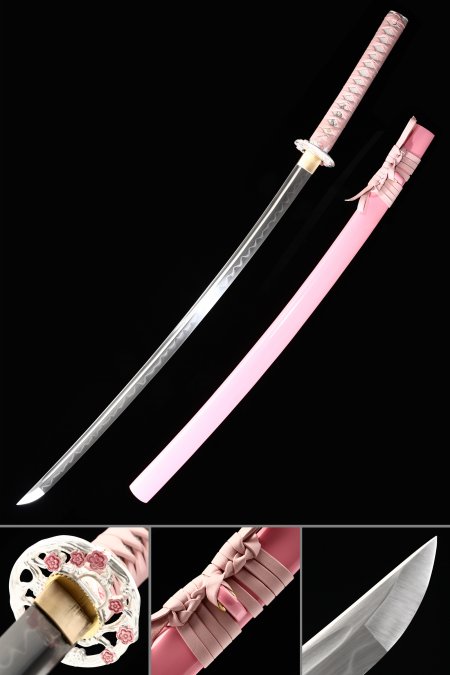
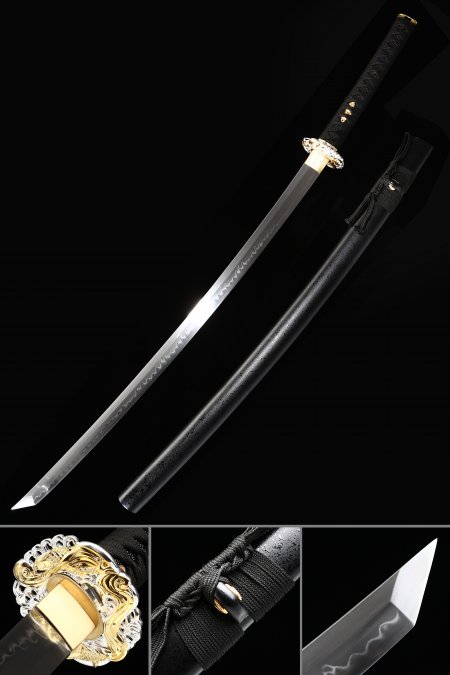
T10 tool steel is valued in Japanese-style bladesmithing for its relatively high carbon content and fine grain structure, which responds exceptionally well to clay tempering. During the clay-tempering process, a mixture of clay, ash, and water is applied unevenly to the blade before quenching - thicker along the spine, thinner near the edge. This differential cooling rate produces a hardened edge and a softer, more flexible spine, along with a genuine hamon: the undulating temper line visible on the blade's surface. Because hamon formation depends on variables like clay thickness, quench speed, and forge temperature, no two are identical. For collectors, this means each T10 clay-tempered naginata is authentically unique - not a printed pattern, but a direct record of the forging and quenching process. The hamon's character - whether tight and straight or sweeping and irregular - is considered a mark of the craftsman's skill and an object of serious aesthetic appreciation among blade connoisseurs.