Is T10 steel or Damascus better for a collectible hamon naginata?
Updated Feb 2026
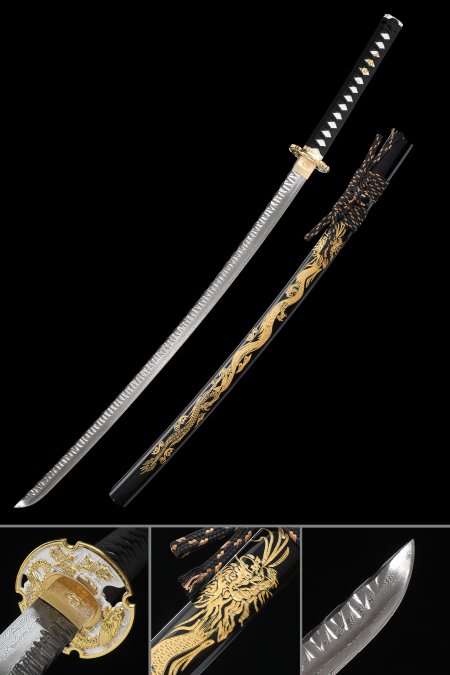
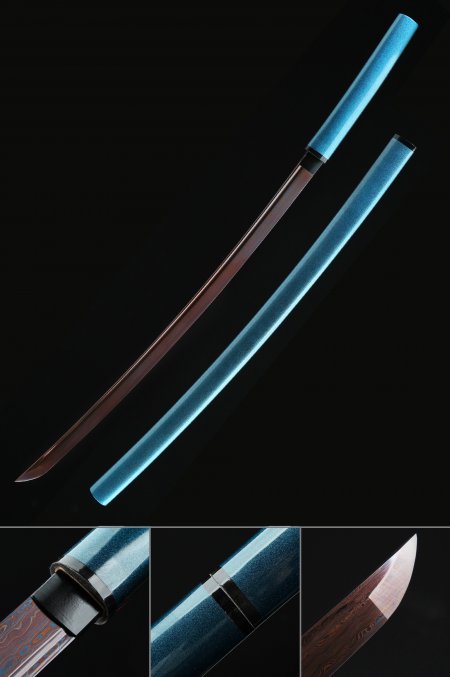
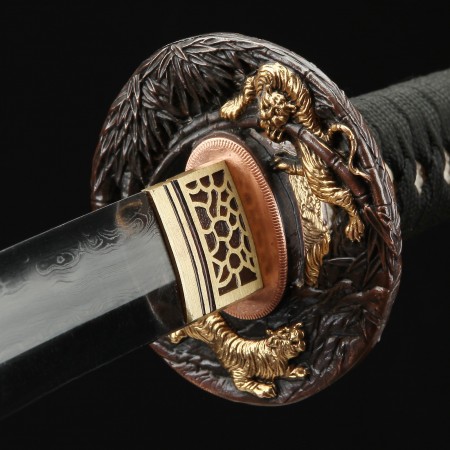
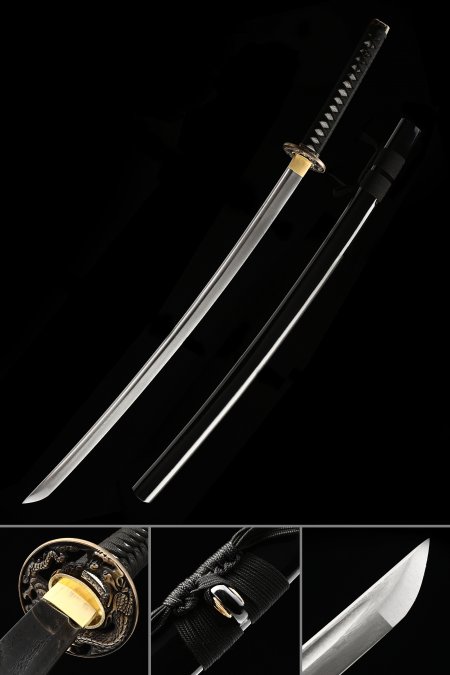
Each steel offers a distinct aesthetic and structural character. T10 is a high-carbon tungsten-alloy steel that responds exceptionally well to clay tempering; it produces bold, high-contrast hamon lines because its martensite and pearlite phases differ sharply in reflectivity after polishing. Damascus (pattern-welded) steel, by contrast, layers multiple steel types together and forge-welds them repeatedly, creating a visible woodgrain or ripple pattern across the entire blade surface. When a Damascus naginata is also clay tempered, you get two overlapping visual textures — the folded layers plus the hamon — which appeals to collectors who prize visual complexity. T10 tends to be the purist's choice for studying the hamon itself, while Damascus suits those who want maximum surface detail.