How does Damascus naginata steel differ from T10 in appearance?
Updated Mar 2026
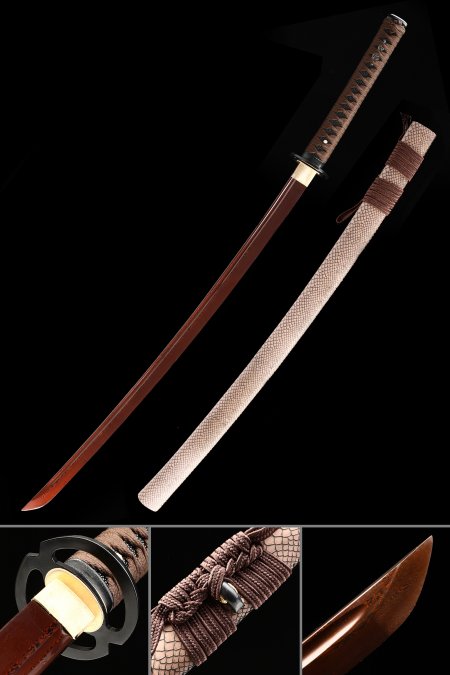
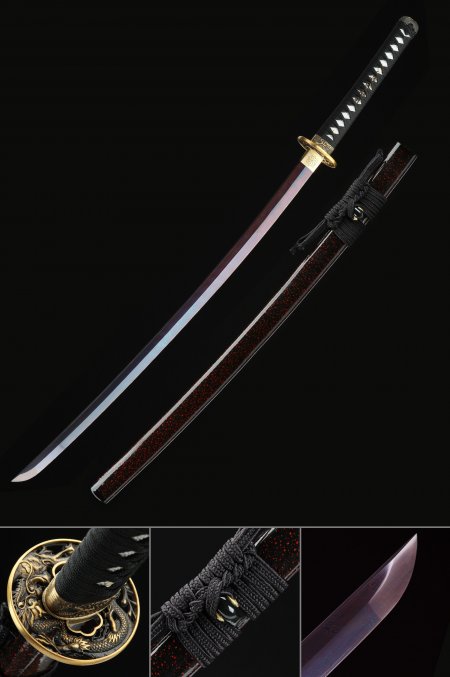
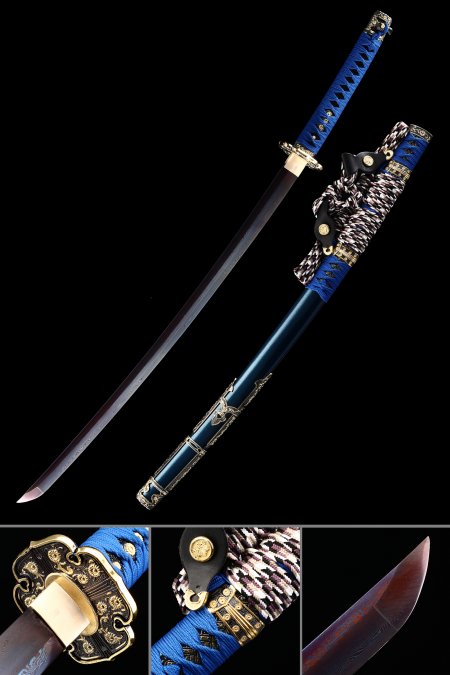
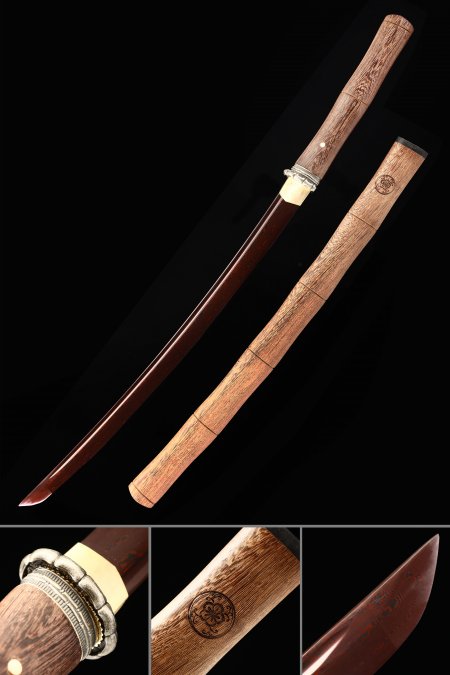
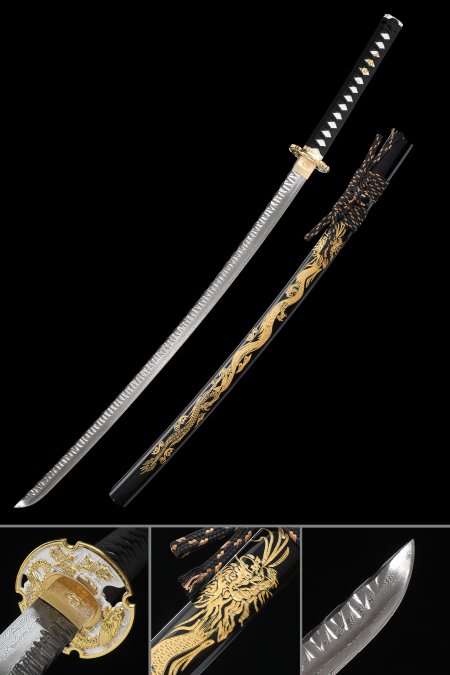
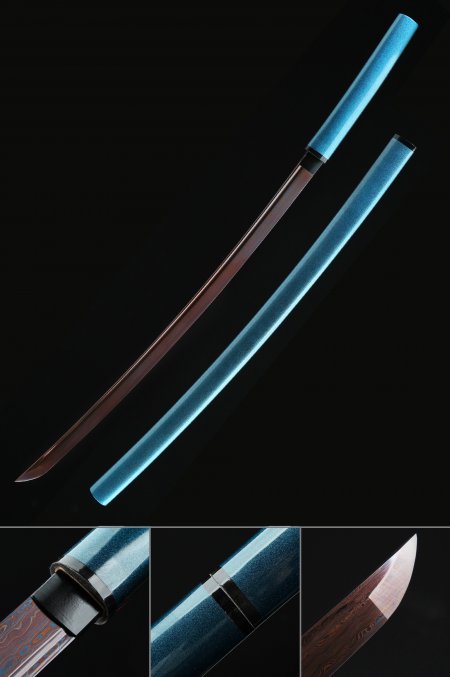
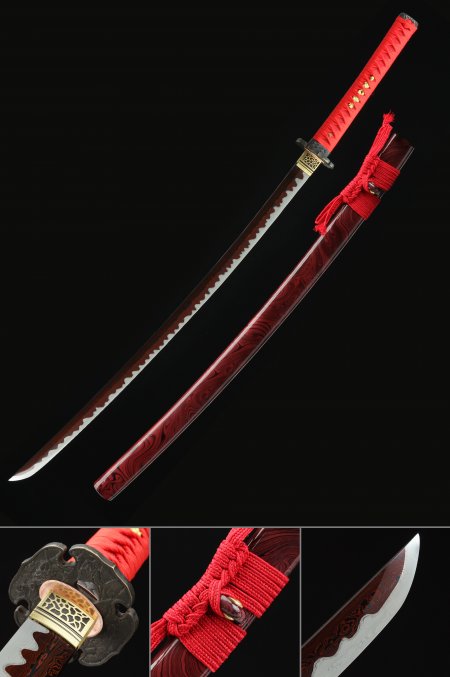
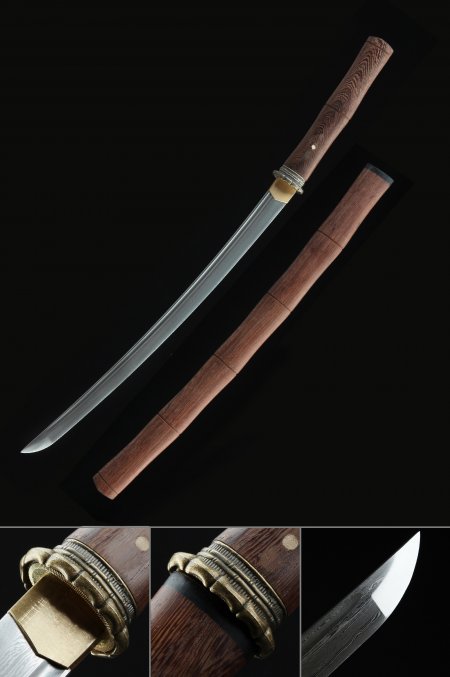
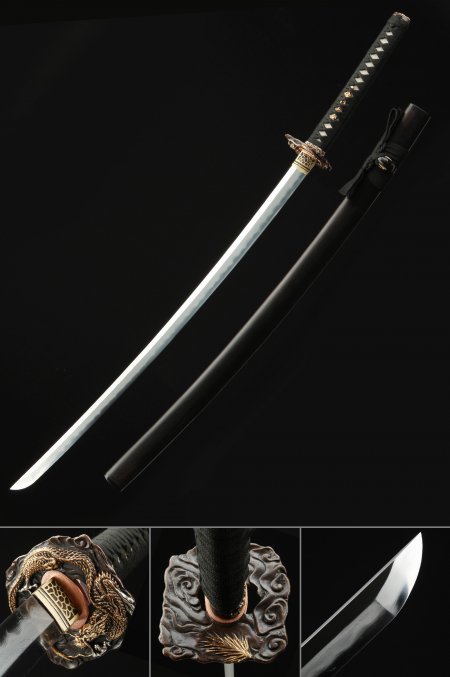
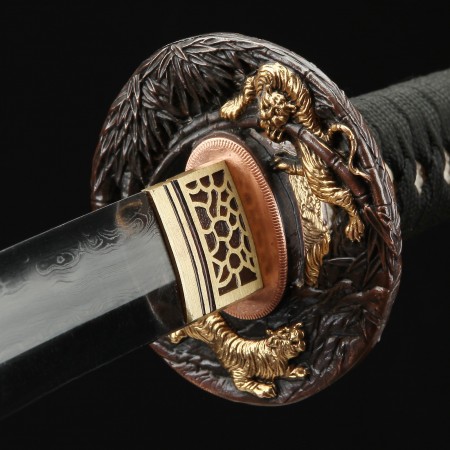
Damascus pattern steel and T10 clay-tempered steel produce very different visual identities, though both represent high-quality forging traditions. T10's defining surface feature is the hamon - a temper line born from clay quenching that runs along the blade's length. Damascus steel, by contrast, develops its visual character through the forge-welding and repeated folding of two or more steel types with differing carbon content. When acid-etched after final grinding, the contrasting carbon densities become visible as flowing, layered patterns across the entire blade face. These patterns - sometimes described as woodgrain, water ripple, or ladder formations depending on the folding technique - shift subtly in different lighting conditions. While T10 hamon tends toward a more historically austere aesthetic rooted in classical Japanese blade tradition, Damascus offers a bolder, more visually dynamic surface that many contemporary collectors find equally compelling. Both are hand-forged and full-tang in this collection.