Is Damascus pattern steel or T10 steel better for a display naginata?
Updated Mar 2026
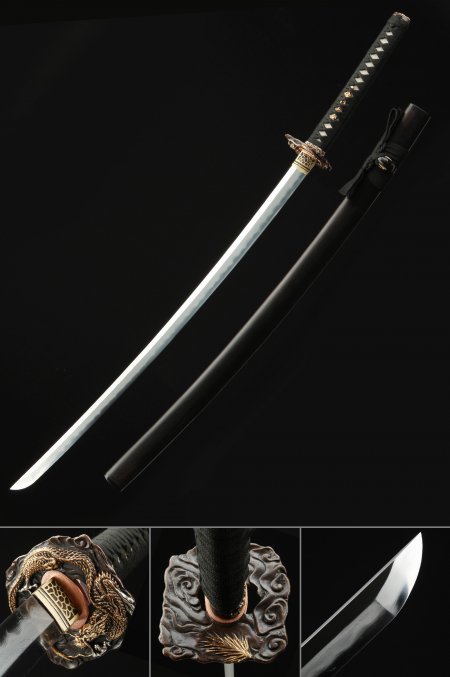
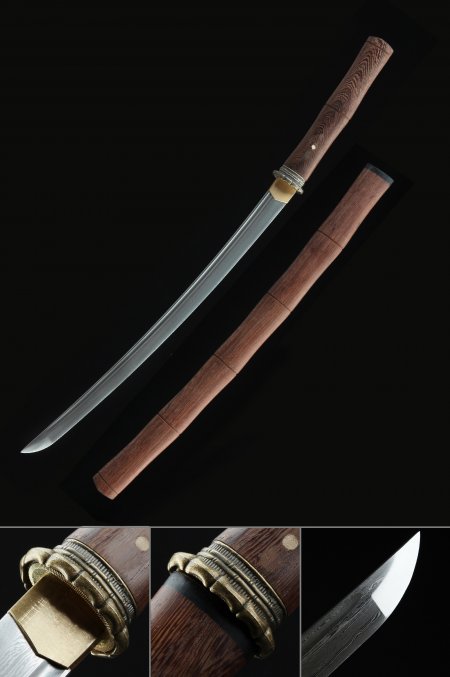
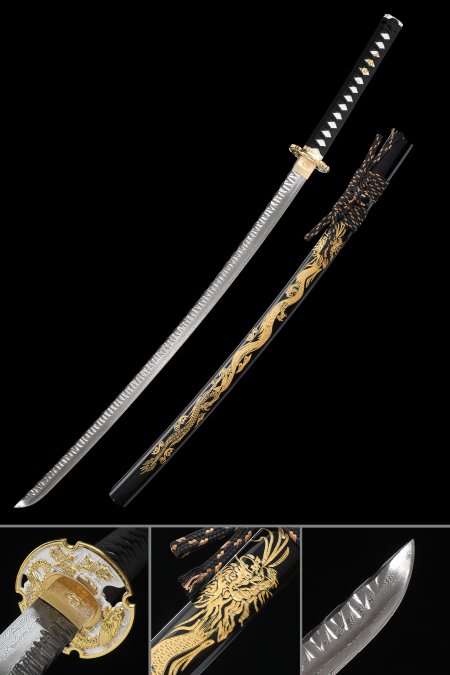
Neither is objectively superior — they appeal to different collecting priorities. T10 clay-tempered steel is chosen for its visible hamon, which is a direct record of the forging and hardening process. It rewards close examination and appeals to collectors focused on traditional Japanese blade aesthetics. Damascus pattern steel, produced by forge-welding multiple layers of steel together and manipulating the billet through twisting or drawing, creates flowing surface patterns that are purely visual in nature and unique to each blade. Damascus pieces tend to photograph dramatically and work well in display contexts where visual impact from a distance matters. If your collection emphasizes historical process fidelity, T10 is the stronger choice. If you prioritize surface pattern uniqueness and visual variety, Damascus offers something T10 cannot.