What steel types are used in hand forged naginata?
Updated Mar 2026
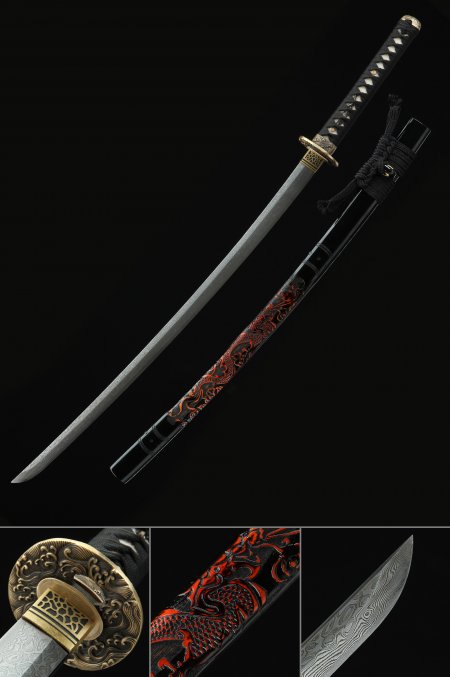
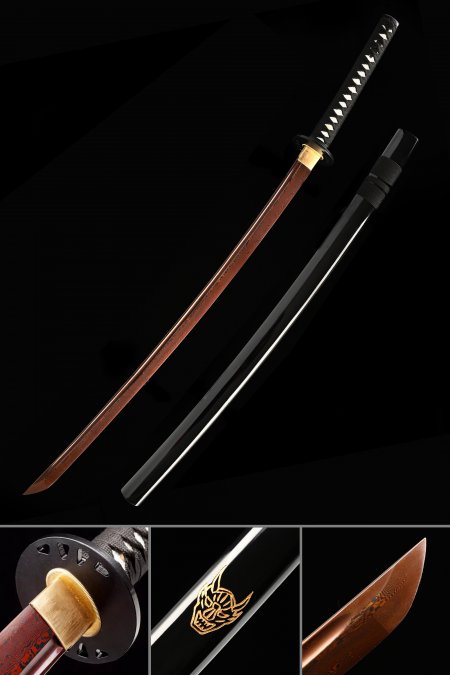
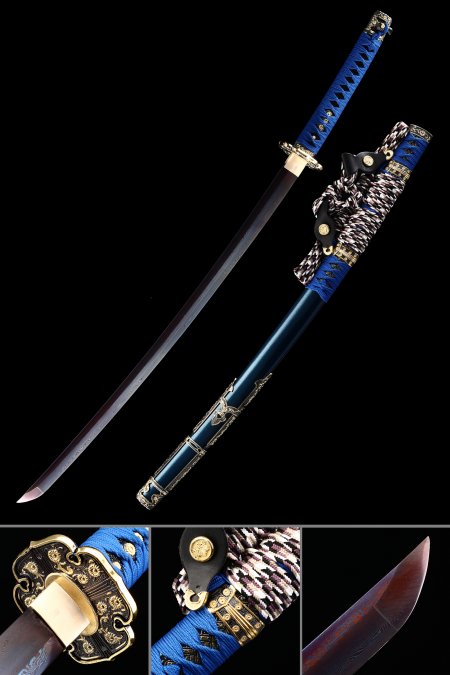
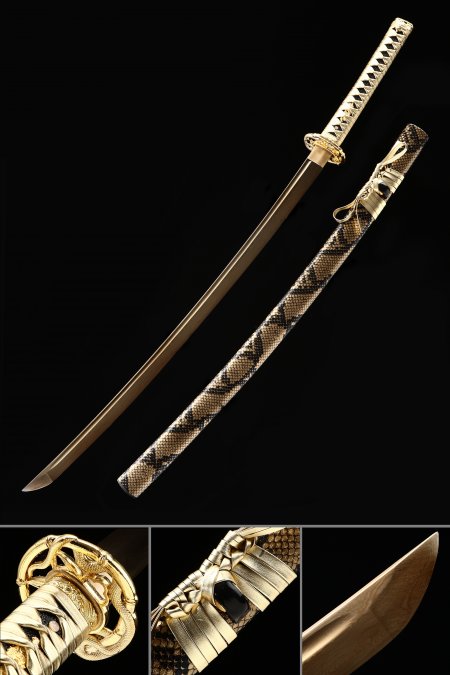
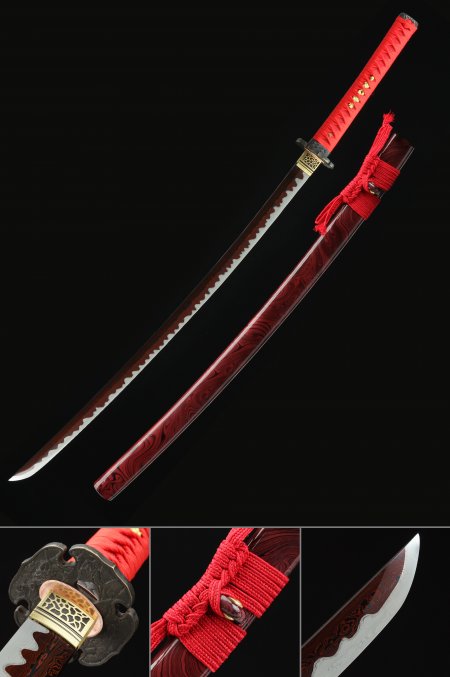
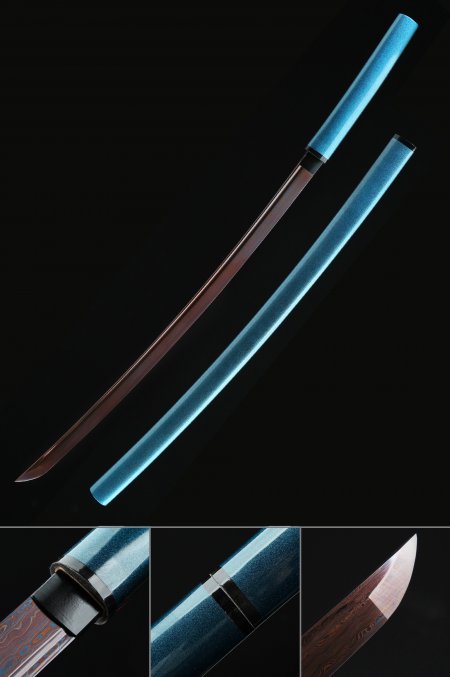
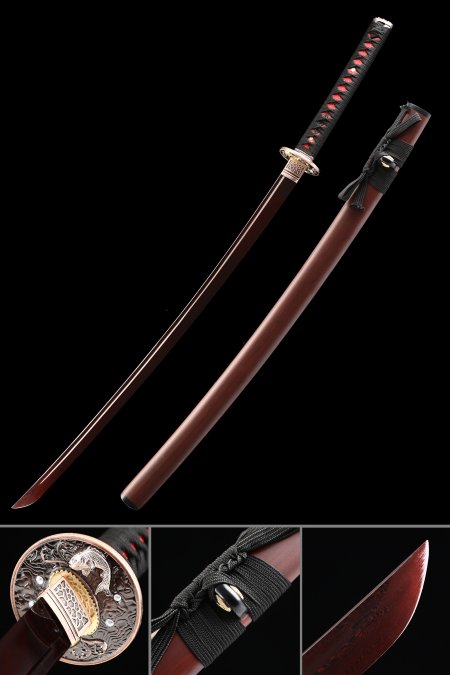
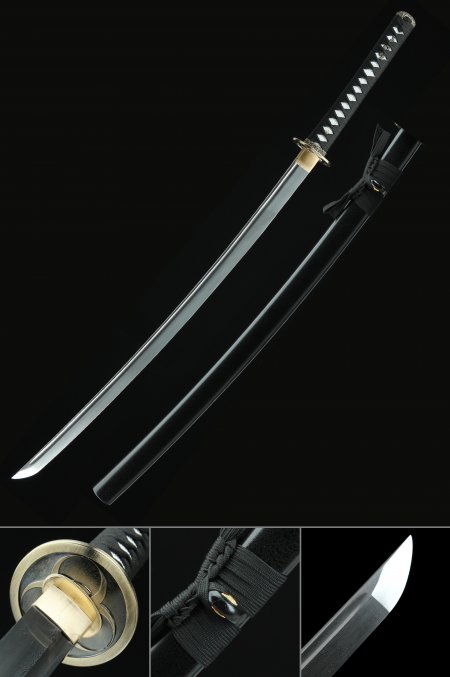
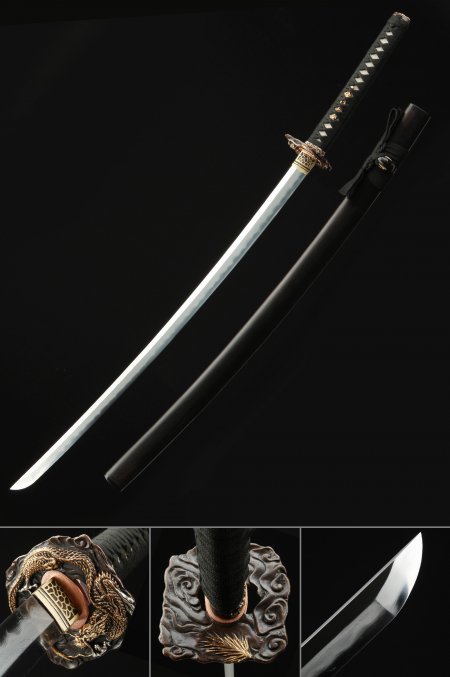
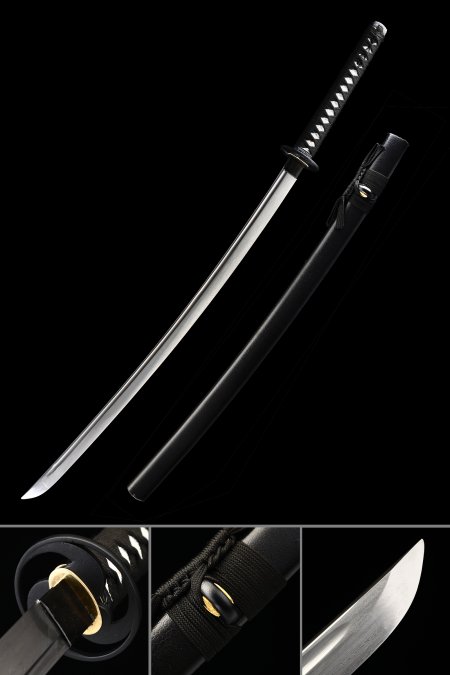
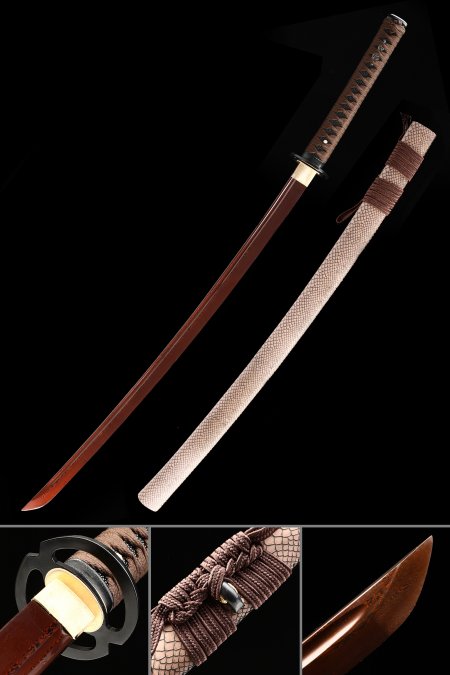
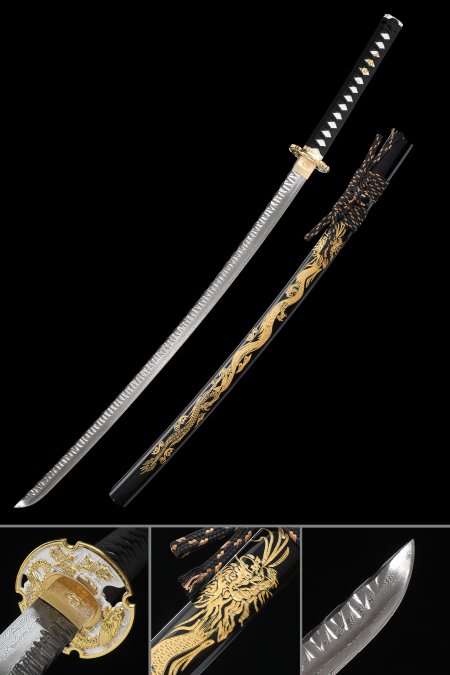
This collection features three distinct steel traditions. T10 tool steel is a high-carbon alloy with a fine grain structure that responds exceptionally well to clay tempering - the process of applying a clay slurry to the spine before quenching, which causes the edge and spine to cool at different rates and produces a genuine visible hamon. Damascus pattern-welded steel is forged from multiple layers of high-carbon and iron billet stock, folded and drawn out until the layered grain flows across the blade surface in organic, wave-like patterns. Manganese steel offers a tougher, more impact-resistant alternative with a cleaner polished finish, often favored by collectors prioritizing long-term display durability over temper line aesthetics. Each steel type produces a meaningfully different visual result on a finished naginata blade.