How should I care for the blade long-term to preserve its finish?
Updated Mar 2026
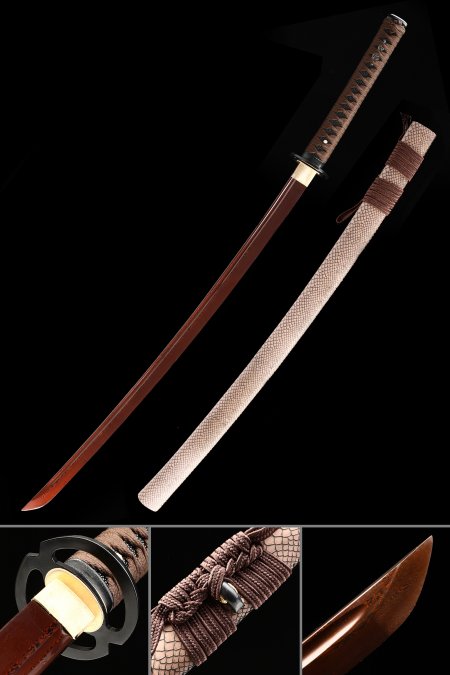
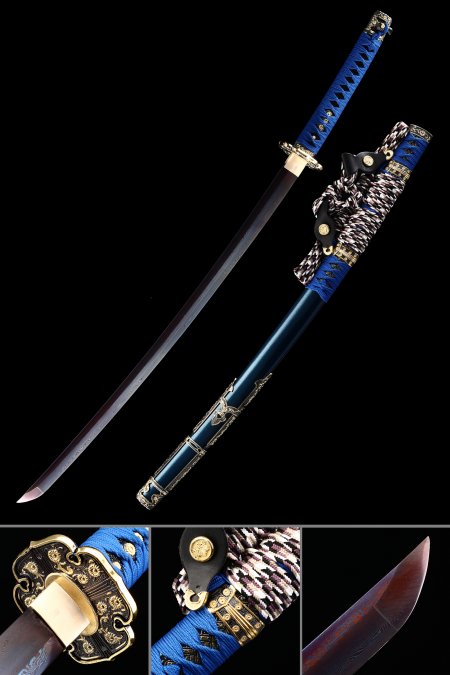
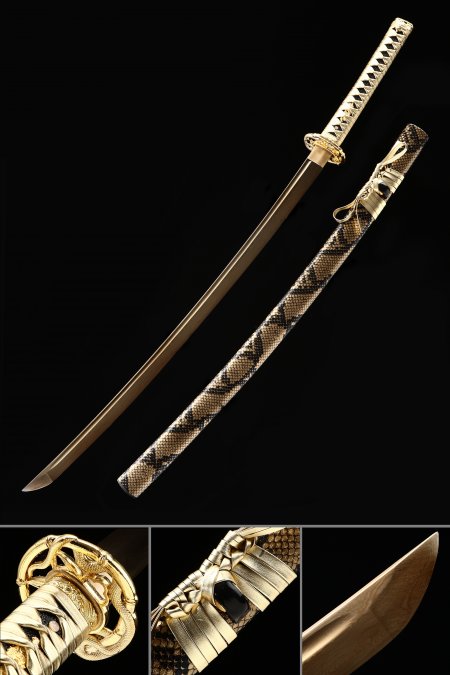
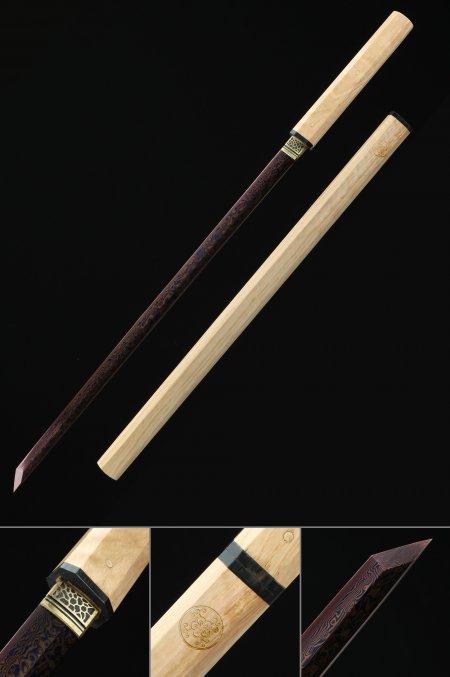
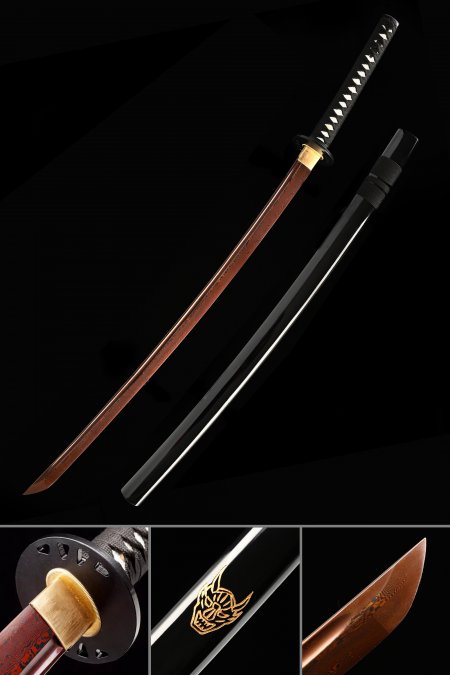
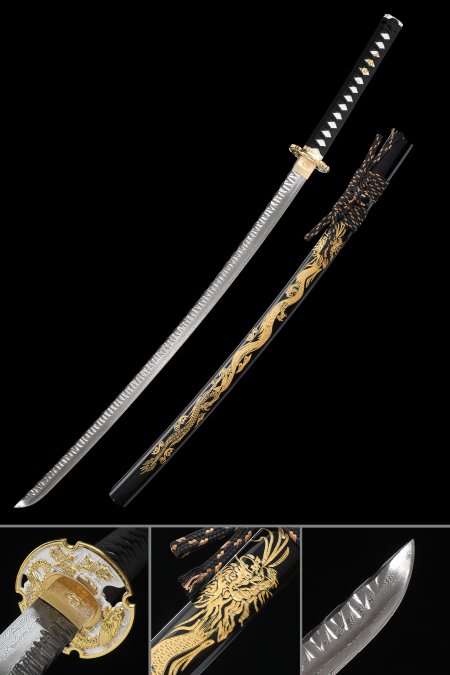
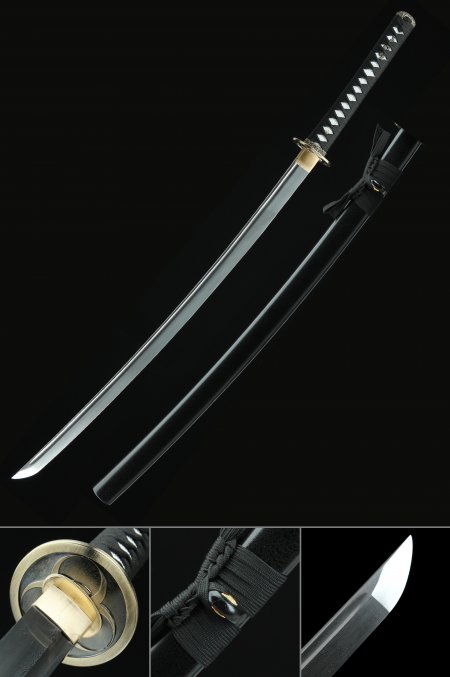
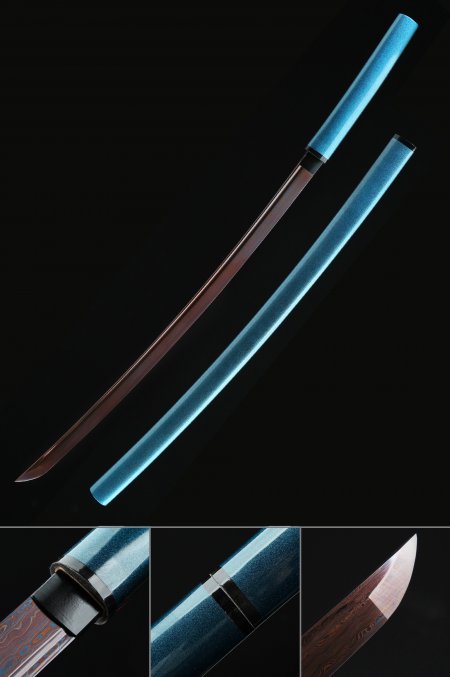
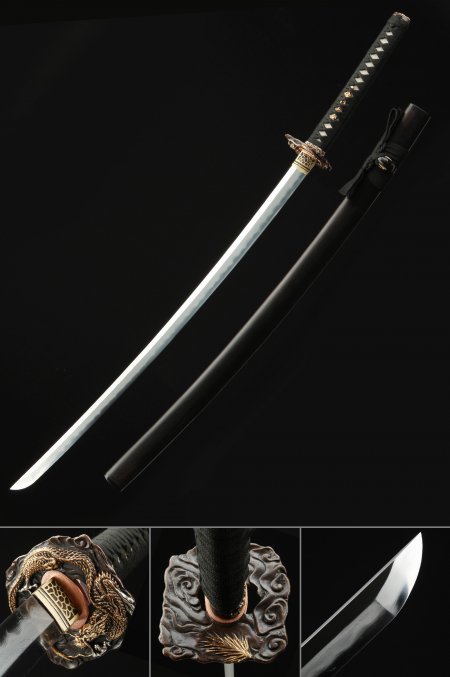
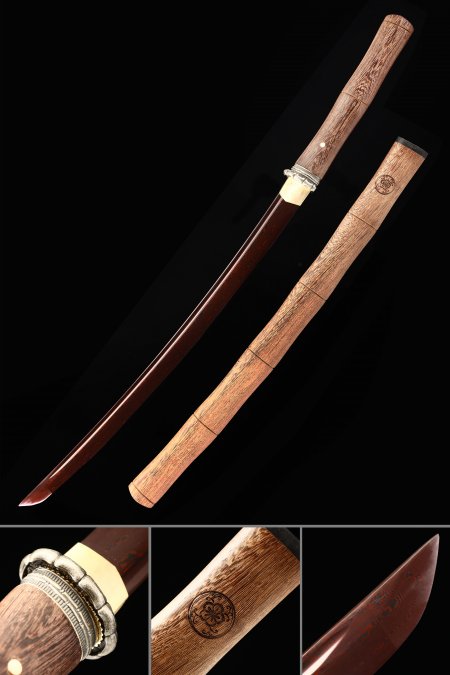
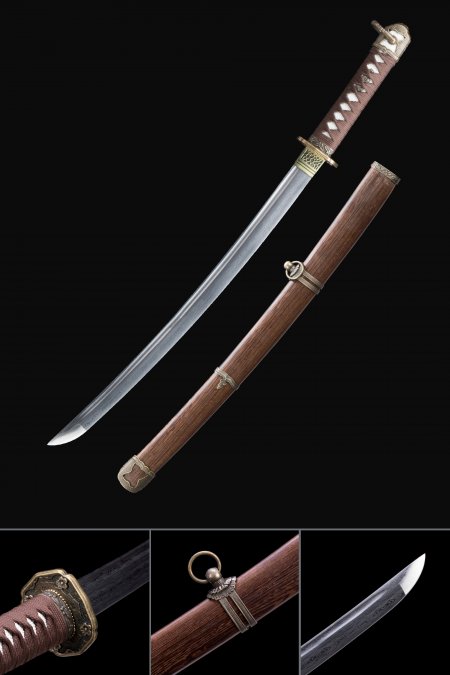
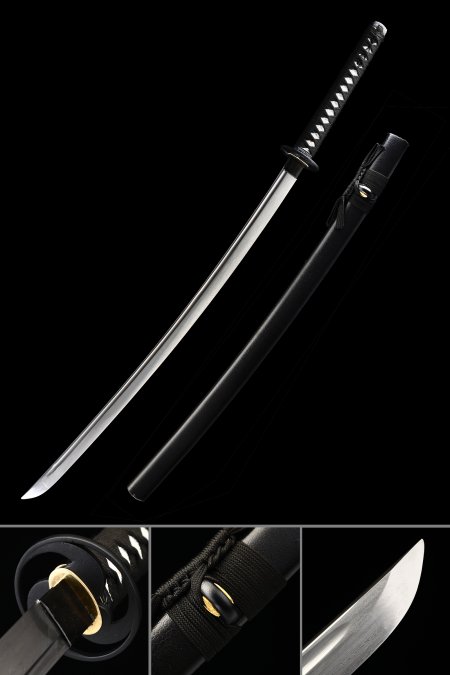
Long-term care for a display naginata blade centers on controlling two variables: moisture and fingerprint acidity. Both Damascus pattern steel and T10 clay-tempered blades are high-carbon steel, which means they will develop surface rust if left unprotected in humid or fluctuating environments. Every three to four months — or after handling — wipe the blade from habaki to tip with a clean cotton cloth lightly treated with choji oil or a food-grade mineral oil. Apply only a thin coat; excess oil attracts dust and can work into the saya, softening the lacquer's interior fit over time. Store the piece horizontally on a padded rack or in its saya with the edge upward. Avoid display near kitchen areas, bathrooms, or exterior walls prone to condensation. If a small spot of surface rust appears, remove it promptly with a cotton swab and oil rather than abrasive material, which would disturb the etched Damascus pattern or polished hamon surface.