How does Damascus naginata steel differ from T10 clay-tempered steel?
Updated Mar 2026
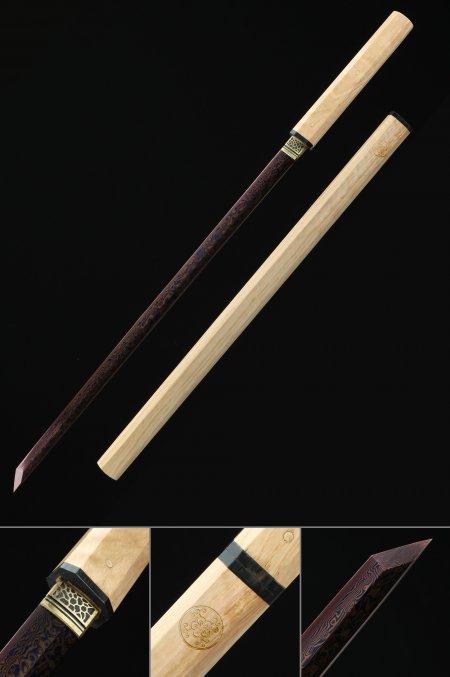
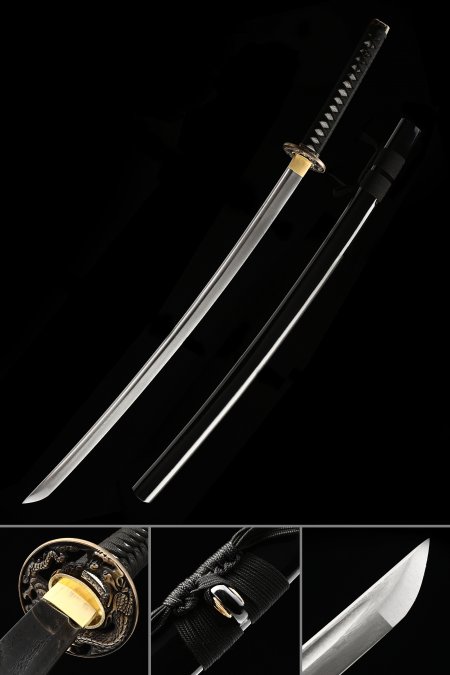
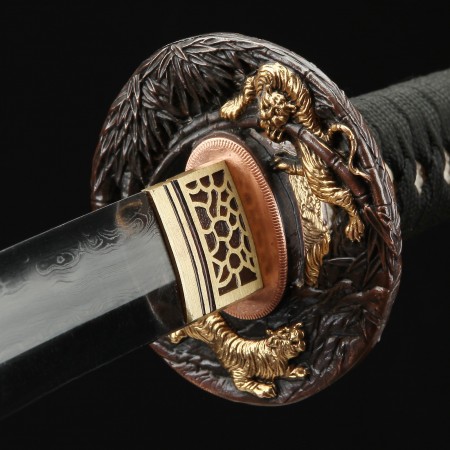
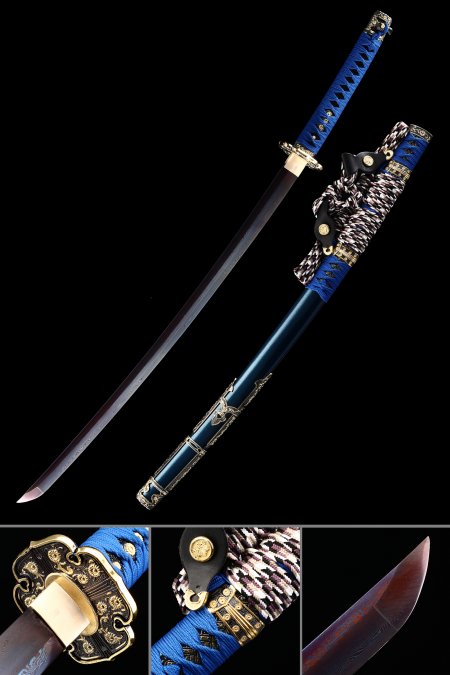
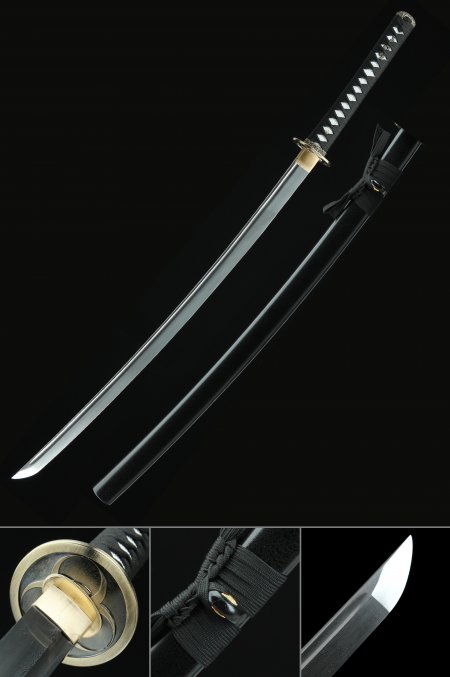
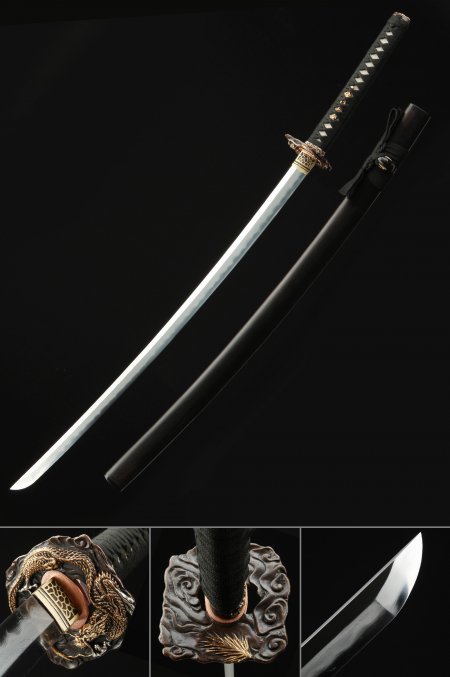
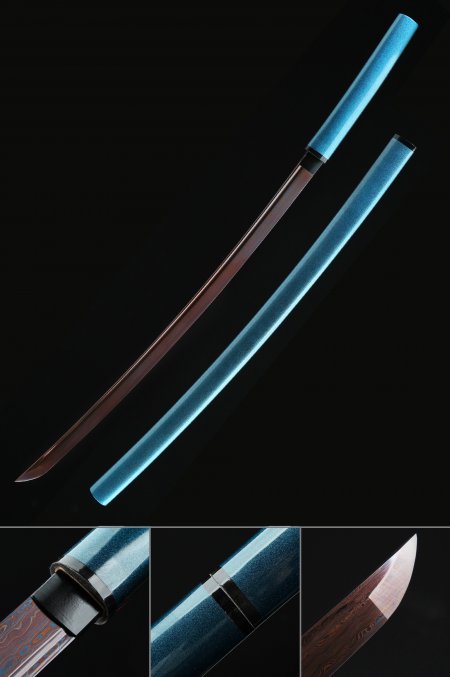
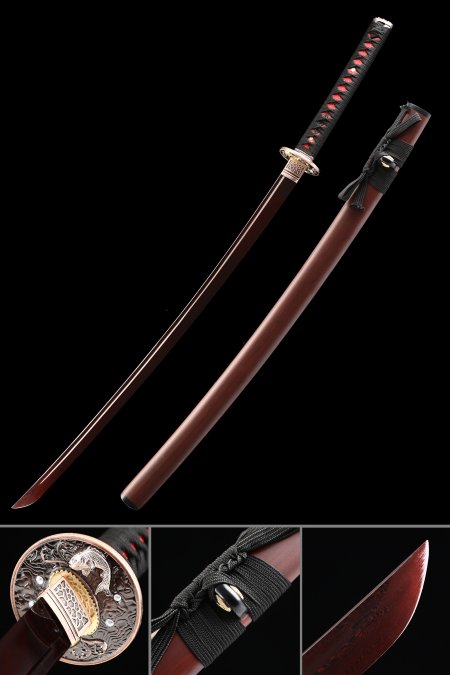
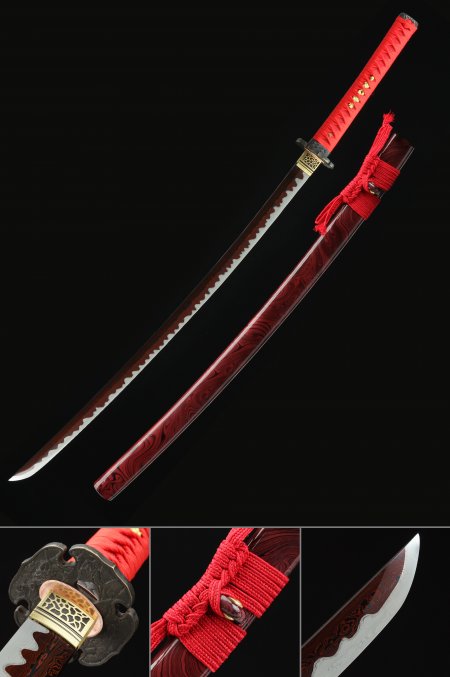
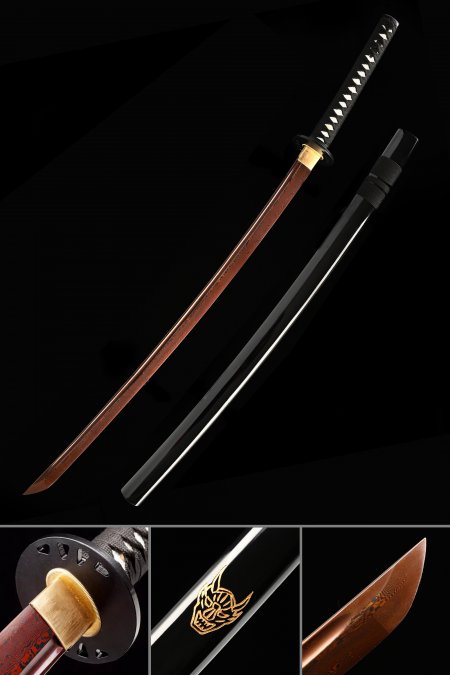
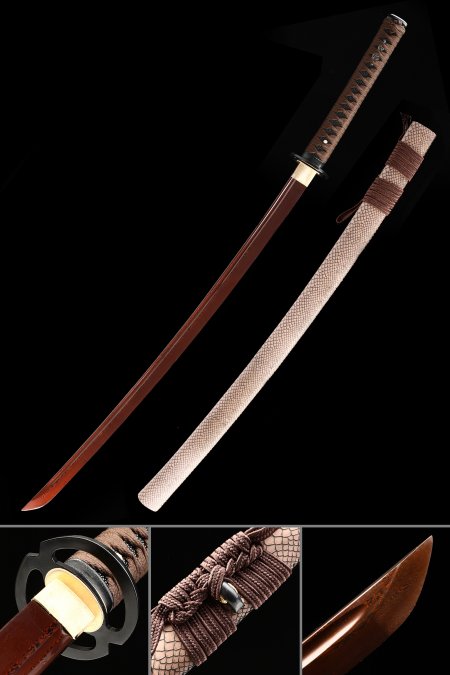
Damascus pattern steel is made by forge-welding multiple layers of high- and low-carbon steel, then drawing and folding the billet repeatedly. When the finished blade is ground and acid-etched, the contrasting carbon content between layers becomes visible as a flowing grain pattern — dark and silver bands that shift with the light. The pattern is a direct expression of the blade's internal structure. T10 clay-tempered steel takes a different approach: T10 is a high-carbon tool steel known for fine grain and edge retention. Before quenching, a thick clay paste is applied to the spine, causing differential cooling. The edge hardens rapidly while the spine stays relatively soft, and the boundary between these two zones forms a hamon — the misty, undulating line visible along the blade's length. For collectors, the choice comes down to surface character: layered Damascus pattern versus the classical hamon of clay-tempered steel.