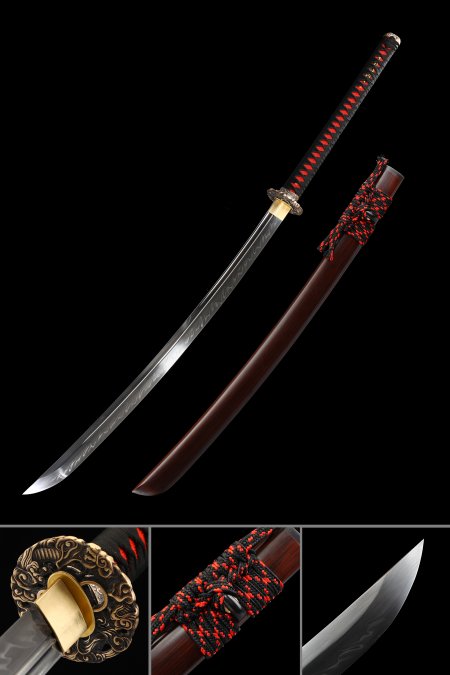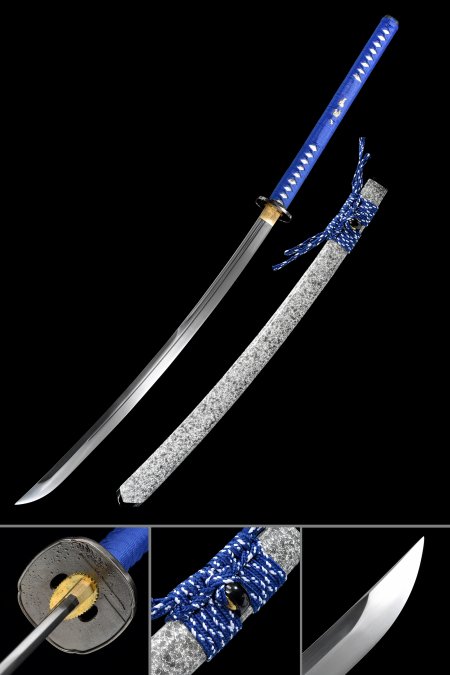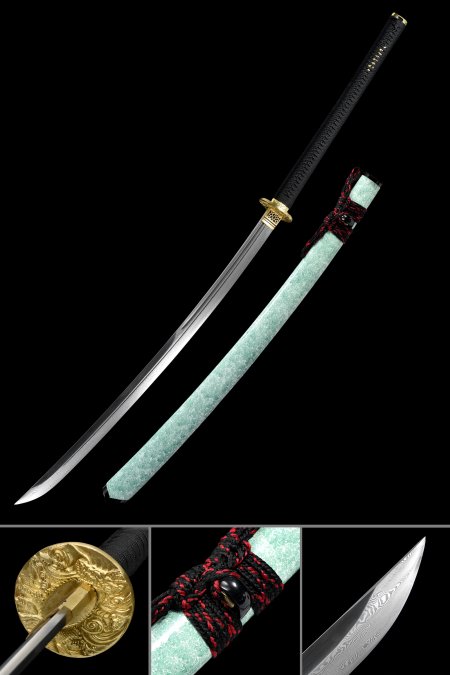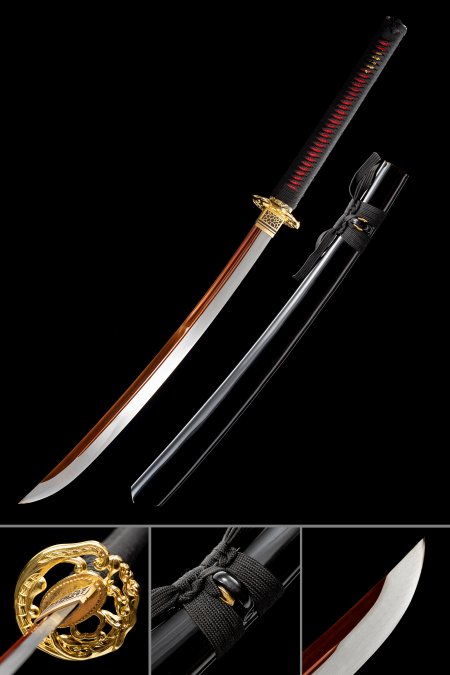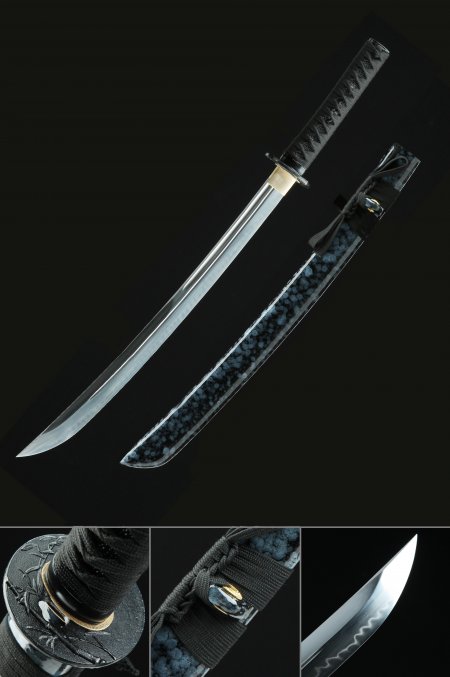
Hand Forged Naginata

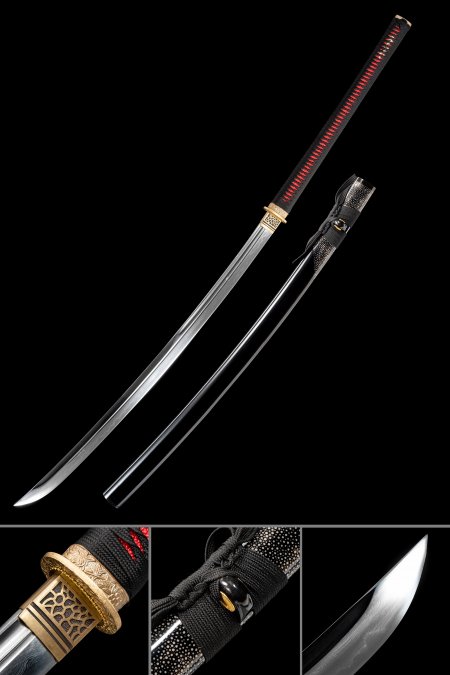
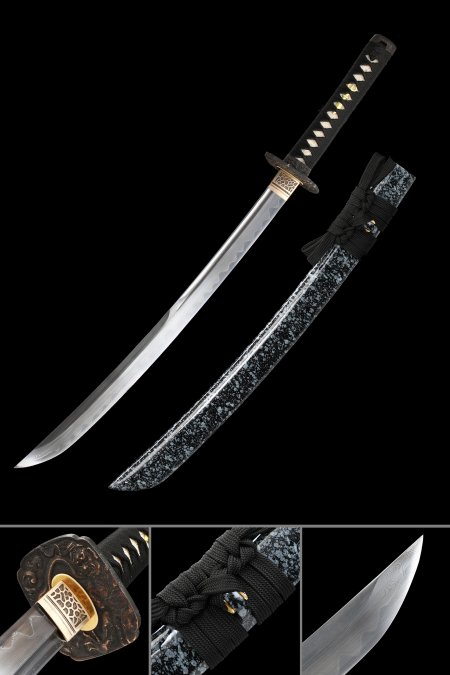
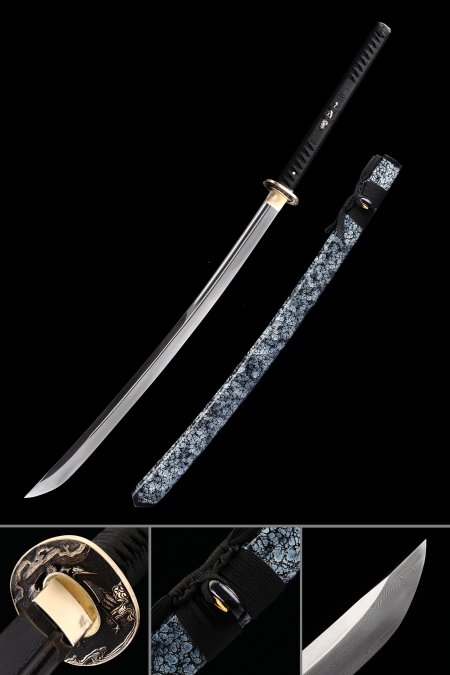
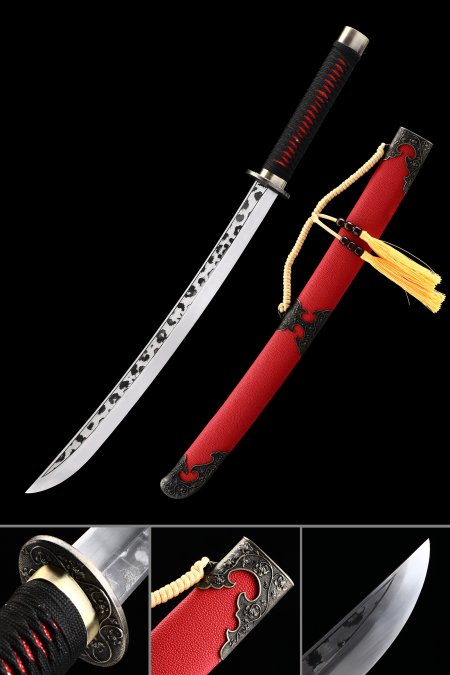
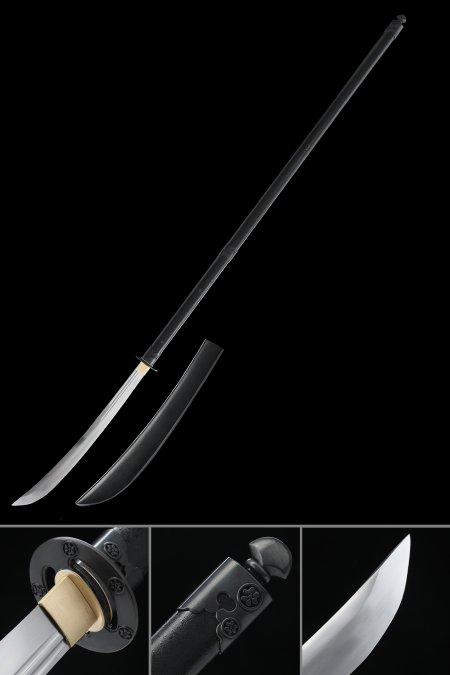
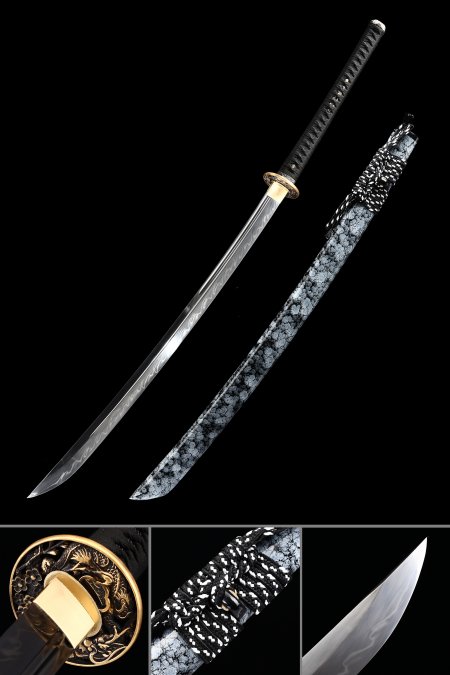
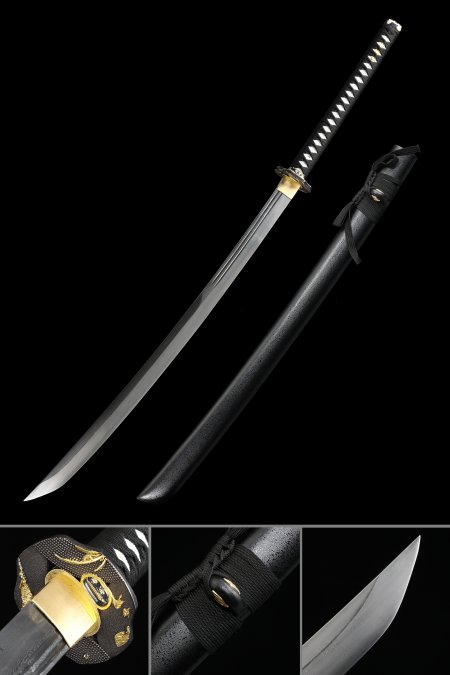
Each hand forged naginata in this collection is shaped by skilled artisans working with traditional techniques - clay tempering, pattern-welded Damascus steel, and hand-ground blades that carry the visual character of genuine hamon. From lacquered saya in vivid hues to ornate tsuba detailing, every piece is built as a serious display collectible for those who appreciate the full craft behind Japan's iconic pole-mounted blade. Free standard shipping is included on all orders, and we stand behind every piece with a straightforward return policy.
Showing 12 Products

Related Collections

Battle Ready Katana128 items


405 Reviews

Hand Forged Wakizashi9 items


1 Reviews

Fixed Tanto109 items


477 Reviews

Cheap Katana96 items


2940 Reviews

Frequently Asked Questions

What steel types are used in hand forged naginata?
This collection features three distinct steel traditions. T10 tool steel is a high-carbon alloy with a fine grain structure that responds exceptionally well to clay tempering - the process of applying a clay slurry to the spine before quenching, which causes the edge and spine to cool at different rates and produces a genuine visible hamon. Damascus pattern-welded steel is forged from multiple layers of high-carbon and iron billet stock, folded and drawn out until the layered grain flows across the blade surface in organic, wave-like patterns. Manganese steel offers a tougher, more impact-resistant alternative with a cleaner polished finish, often favored by collectors prioritizing long-term display durability over temper line aesthetics. Each steel type produces a meaningfully different visual result on a finished naginata blade.
How is a naginata different from a katana structurally?
The most fundamental difference is the mounting system. A katana blade terminates in a tang fitted into a short tsuka (handle), designed for one- or two-handed use at close quarters. A naginata blade, by contrast, is mounted atop a long hardwood shaft called an e, typically bringing overall length to 150-200 cm in historical originals, and around 118 cm in the display-scale pieces found in this collection. The naginata blade itself is generally shorter than a katana's, but its pronounced curvature and the leverage provided by the long shaft gave it a very different functional character historically. Collectors also note that naginata fittings - particularly the tsuba and habaki - are proportioned and weighted differently than their katana equivalents to account for the shaft geometry and balance point of a pole-mounted blade.
What does a real hamon look like, and why does it matter?
A genuine hamon is the visible boundary between the hardened edge zone (yakiba) and the softer spine (mune) created during differential quenching. It appears as a misty, undulating line running along the length of the blade - sometimes gentle and straight (suguha), sometimes dramatically active with peaks and valleys (midare). On T10 clay tempered naginata, this line forms organically based on how the clay was applied and how the blade cooled in the quench medium, meaning no two hamon are identical. The practical significance is that the hardened edge offers wear resistance while the softer spine provides flex - but for collectible purposes, the hamon is first and foremost a mark of authentic forging process. An acid-etched simulation can mimic the appearance superficially, but it lacks the crystalline depth and variation visible under direct light on a true clay tempered blade.
How should I store and maintain a display naginata?
Carbon steel blades - whether T10 or Damascus - will develop surface oxidation if left untreated, particularly in humid environments. A light application of choji oil (traditional camellia oil blend) or a modern renaissance wax applied to the blade surface every few months is the standard approach for long-term display preservation. Use a soft, lint-free cloth and apply sparingly; excess oil can migrate into the habaki or saya fit and cause wood swelling over time. Store the naginata horizontally on a purpose-built stand or mount it on a padded wall rack away from direct sunlight, which degrades lacquer on the saya and can bleach wrap materials. Avoid storage in unventilated cases where humidity can accumulate. If the piece came with a cloth bag or shirasaya sleeve, use it for transport but not permanent storage - fabric can trap moisture.
Is a hand forged naginata suitable as a gift for a collector?
A hand forged naginata makes a distinctive gift precisely because it sits outside the more common katana and wakizashi categories that most collectors already own. The naginata's historical association with skilled practitioners and its visually commanding scale - averaging 118 cm - gives it strong presence in any display setting. For gift selection, consider matching the saya color and tsuba style to the recipient's existing display aesthetic: blue or red lacquer saya pieces photograph beautifully and read well on open wall mounts, while black lacquer finishes suit more formal or minimalist settings. Damascus steel pieces with visible grain patterning tend to be conversation starters for collectors who appreciate visible craft process, while T10 clay tempered pieces appeal most to those who value historical metallurgical accuracy. All pieces in this collection ship with appropriate packaging for gift presentation.

Customer Reviews

Eli Mohr New York, United States

Overall good weapon nice cutting and feel but something wrong with the glue job inside the saya as it would keep getting on the blade no matter how many times said saya cleaned it and washed it out with soap and water until I cut it in half and removed it and did my own glue job which seemed to fix that but yea cause of that I can’t give it a 5 star I’m sure you’d understand
1060 Carbon Steel Japanese Naginata - Black Hardwood Saya, Full Tang, Hand Forged Polearm 1060 Carbon Steel Japanese Naginata - Black Hardwood Saya, Full Tang, Hand Forged Polearm
Michael E Glass Indiana, United States

The swords arrived 7-8 days after they were shipped. I had received an email confirming the order when I placed it, however I did not receive an email when it shipped, so I didn't know to look for them. They may have been outside a day before I noticed the boxes. With that said the boxes arrived in good shape with no obvious shipping damage. I'm not the biggest fan of the all styrofoam containers, due to it being a little messy when opening the packaging, but I can't deny it did an excellent job in protecting the swords as they arrived in perfect condition. I haven't had a chance to cut any water bottles yet, but all of the swords seem reasonably sharp. Everything seems well built with no obvious defects that I can tell at this time.

Fuuun Kairyuu Damascus Naginata - Pattern Steel, Green Saya, Copper Tsuba, Full Tang Fuuun Kairyuu Damascus Naginata - Pattern Steel, Green Saya, Copper Tsuba, Full Tang
Cosmos Wrenn Tennessee, United States

My first Naganata. I'm hooked. The most solid and we'll balanced sword I have purchased yet. The wooden Saya is a thing of beauty. The entire sword is gorgeous from top to bottom. It came perfect out of the box. Sharp, no rattles, fits perfectly in the saya. It will be my main blade to practise with going forward. Great job!
T10 Naginata - Handcrafted Clay Tempered Steel, Real Hamon, Red Saya, Wave Tsuba, 118cm T10 Naginata - Handcrafted Clay Tempered Steel, Real Hamon, Red Saya, Wave Tsuba, 118cm
Shawn P Franco New Mexico, United States

I have to say I'm impressed with the high quality and astounding prices. Here is my latest acquisition on the top tier. Extremely satisfied with this company's vast array of offerings. Very good business model ends up a win for all involved in any transaction. TRUEKATANA HAS IT NAILED!! Many thanks.
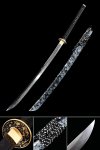
T10 Clay Tempered Naginata - Handcrafted Folded Steel, Real Hamon, Blue Saya, 118cm T10 Clay Tempered Naginata - Handcrafted Folded Steel, Real Hamon, Blue Saya, 118cm
Cart 0 Items

Your cart is empty