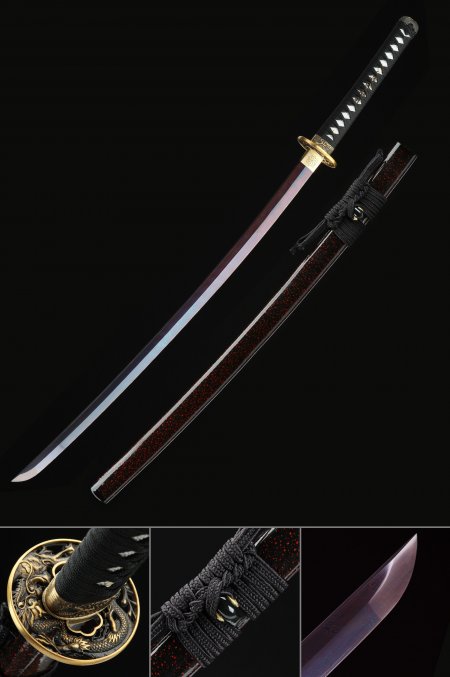
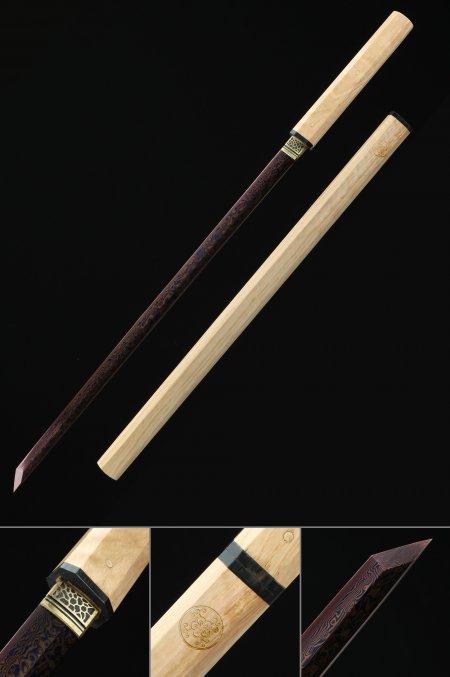
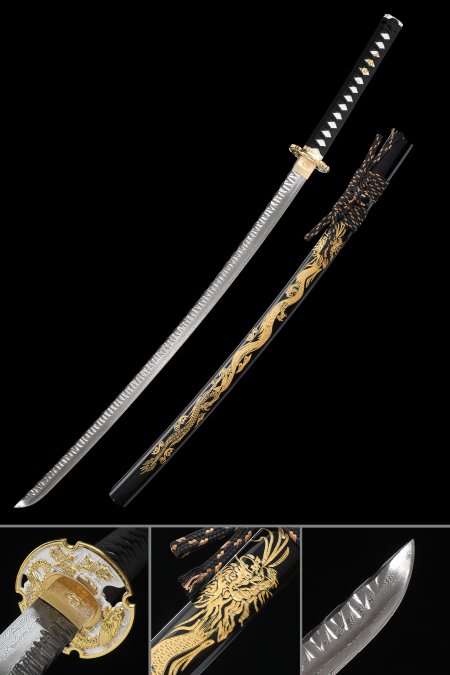
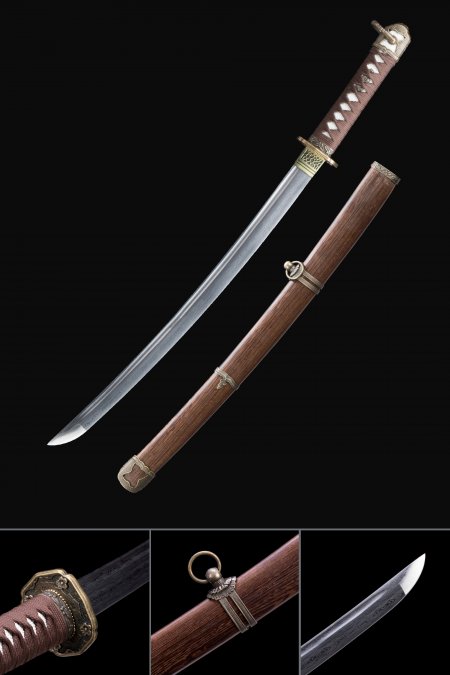
Why are T10 and Damascus steel popular choices for collectible naginata?
Updated Feb 2026
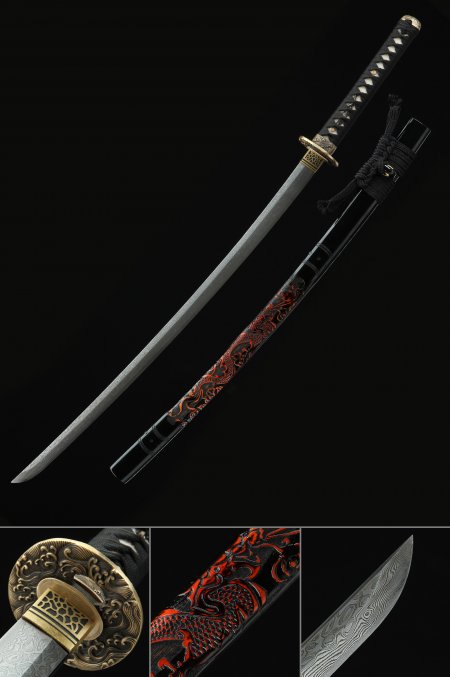
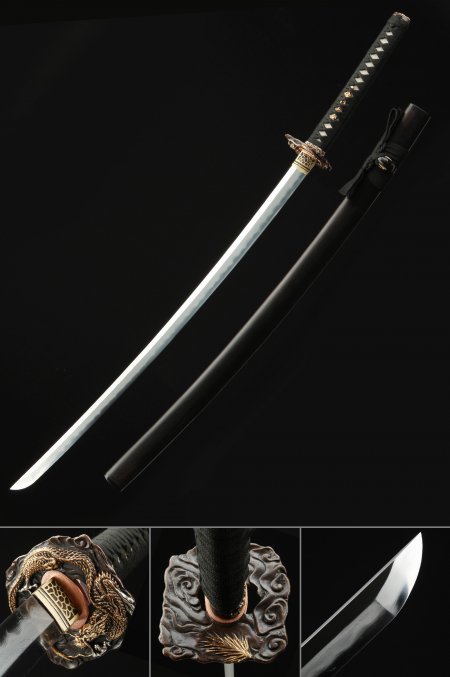
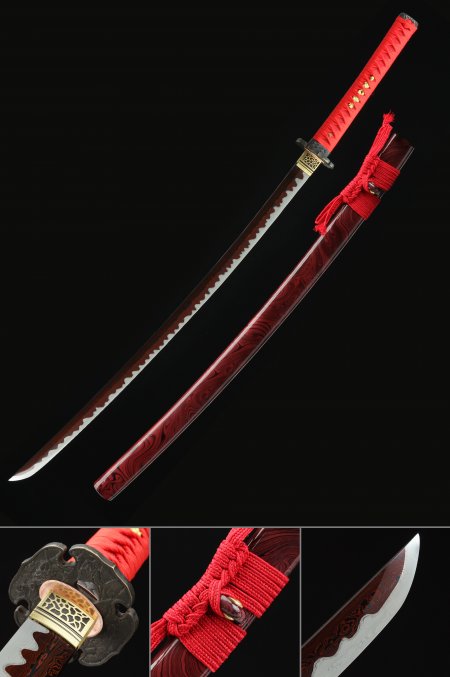
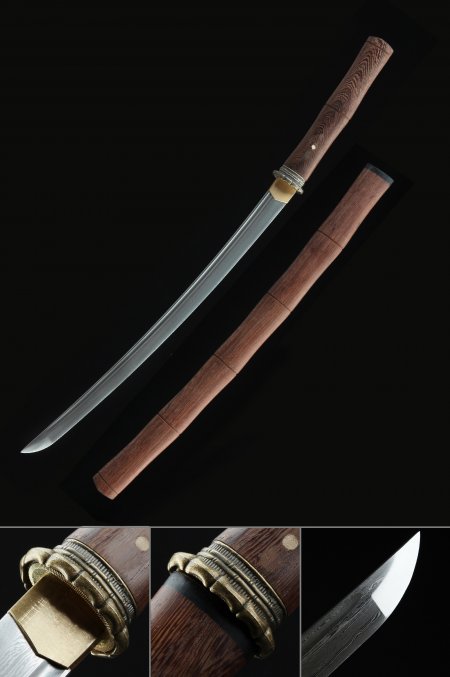
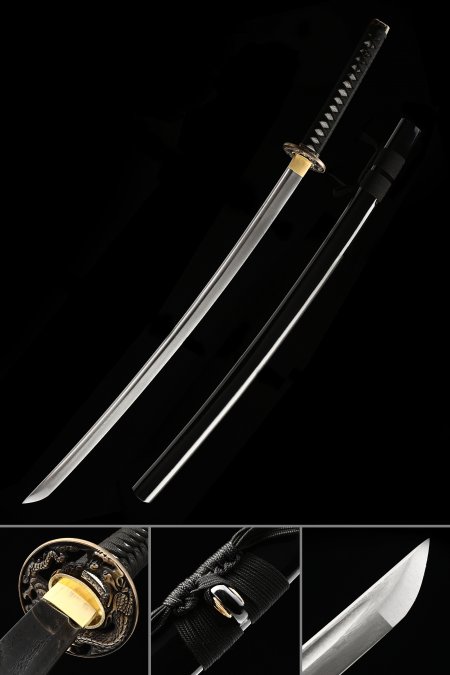
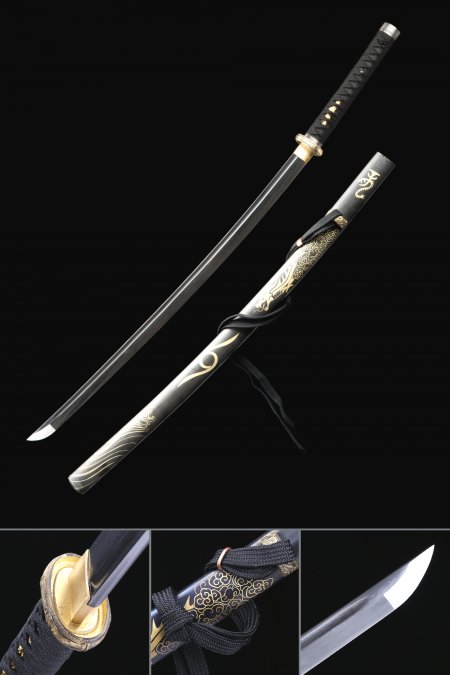
T10 is a high-carbon tungsten-alloy steel prized for its ability to hold a well-defined hamon after clay tempering. The tungsten content improves wear resistance and allows the edge to reach around 60 HRC while the spine stays closer to 40 HRC — a wide differential that makes the hamon vivid and the overall structure durable. Damascus, or pattern-welded steel, involves folding and forge-welding multiple layers of different carbon-content steels together. The result is an organic, watered-silk grain pattern visible on the polished surface. Collectors choose T10 when they want a bold, singular hamon line as the visual centerpiece, and Damascus when they prefer layered texture across the entire blade. Both steels accept a high polish and respond well to traditional Japanese finishing, making them excellent candidates for display-grade naginata.