How does clay tempering create the hamon on a naginata blade?
Updated Mar 2026
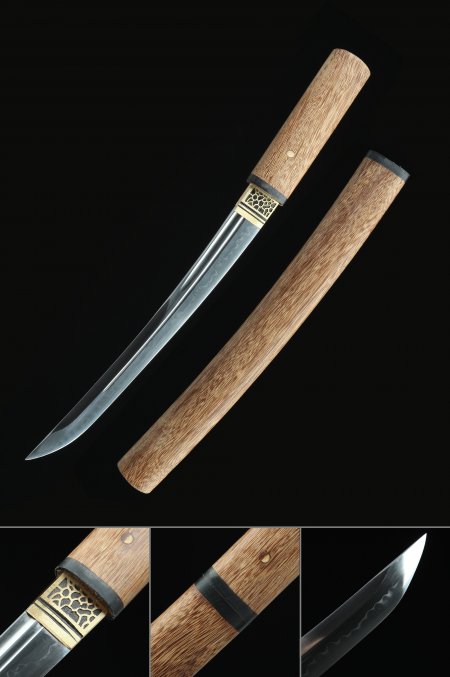
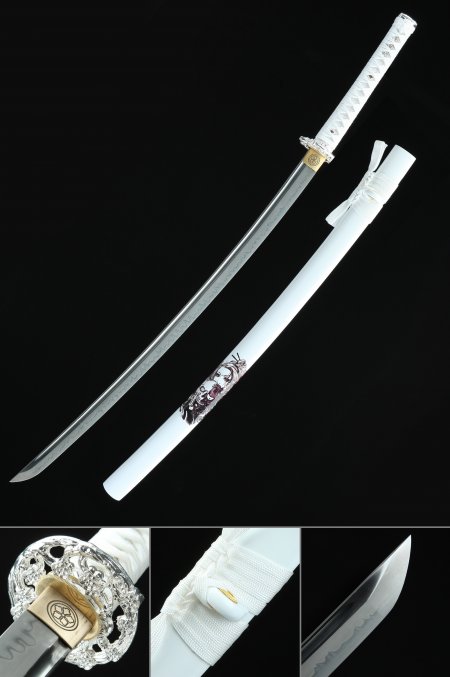
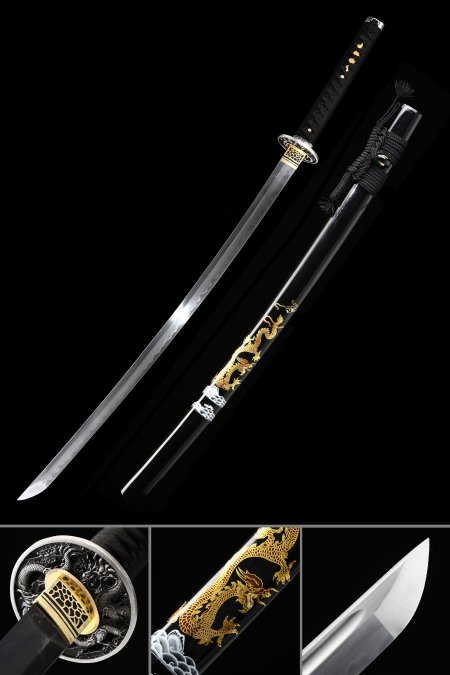
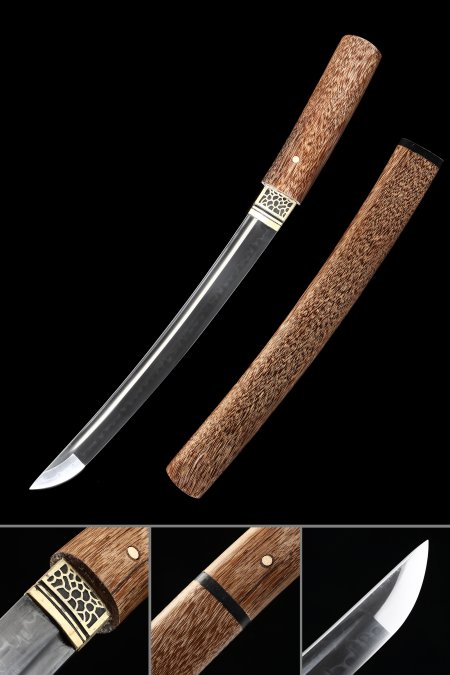
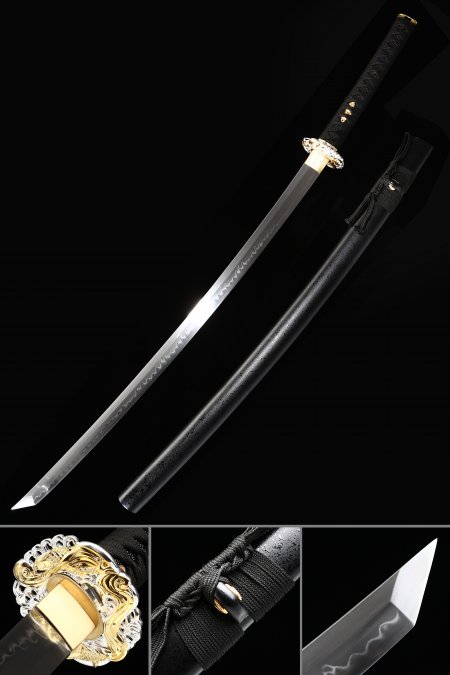
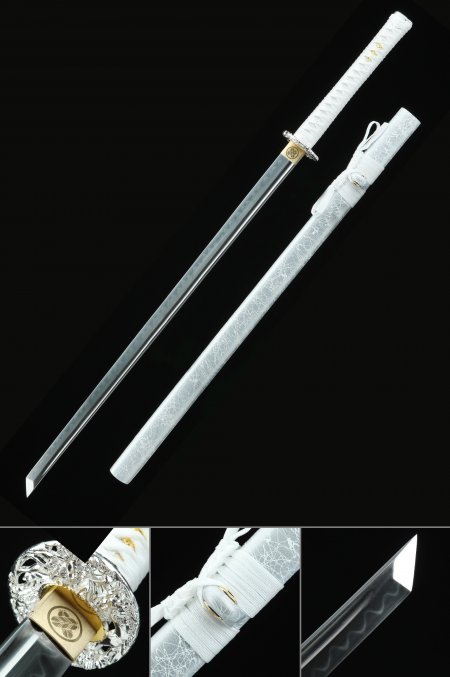
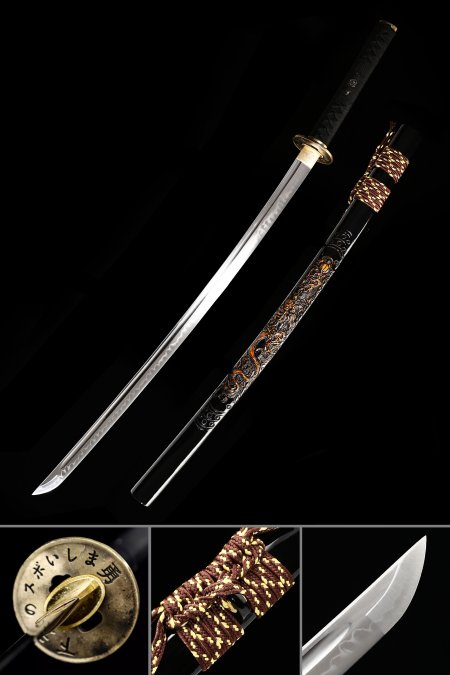
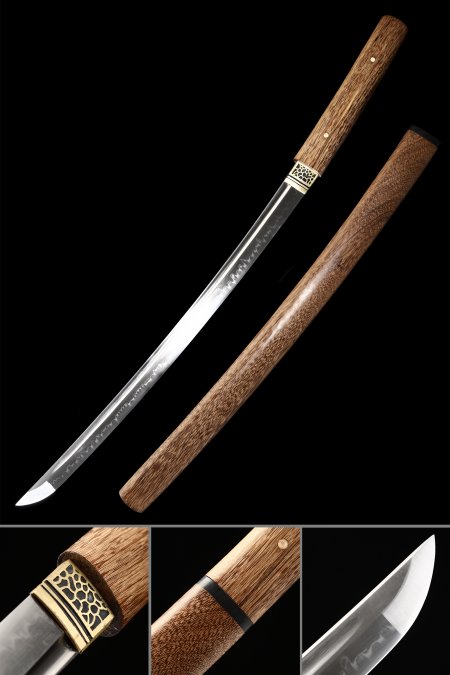
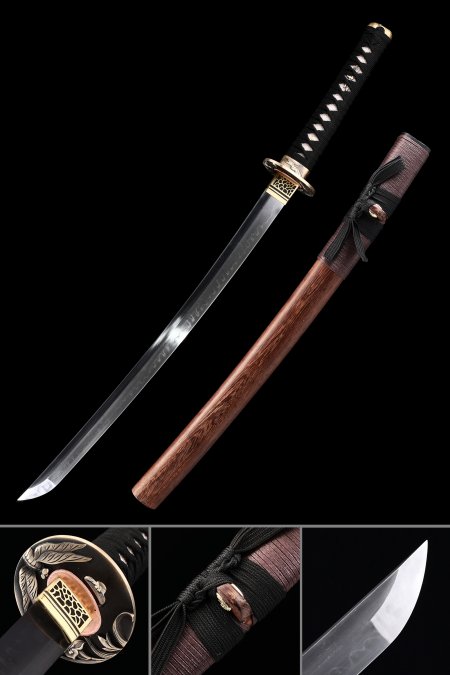
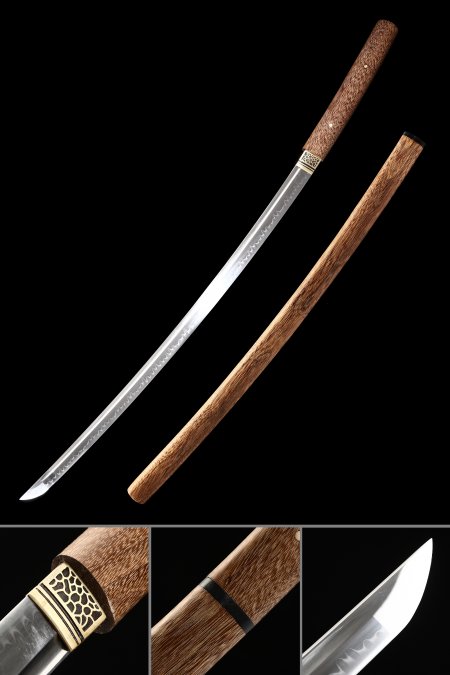
Clay tempering is a differential hardening technique where a clay mixture is applied along the spine of the blade before it is quenched in water or oil. The clay acts as an insulator — the coated spine cools slowly and remains relatively soft, while the exposed edge cools rapidly and hardens into a high-carbon martensitic structure. The boundary between these two zones, where crystalline activity is most visible, appears as the hamon: a wavy or irregular temper line that runs the length of the blade. On T10 steel, which has a high carbon content around 1.0%, this process produces well-defined hamon activity with visible nie and nioi — crystalline granules that collectors examine under raking light. No two clay-tempered blades produce an identical hamon, which is why each piece is considered individually unique.