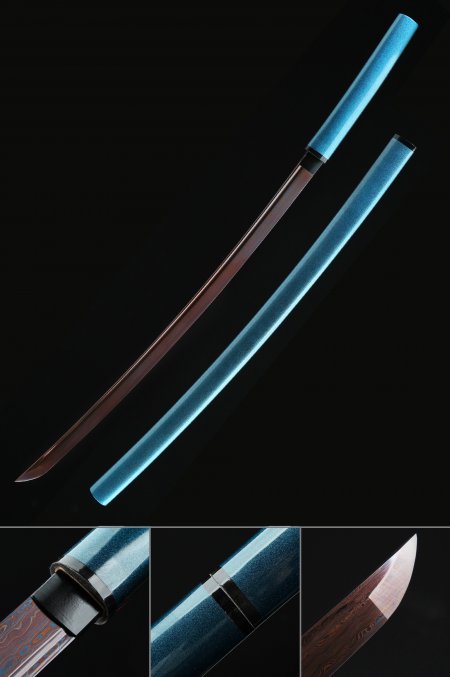
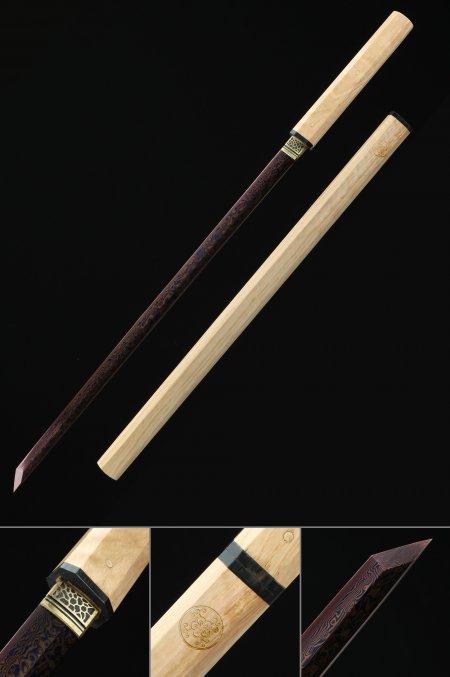
What makes Damascus steel visually distinct from other blade steels?

 Updated Mar 2026

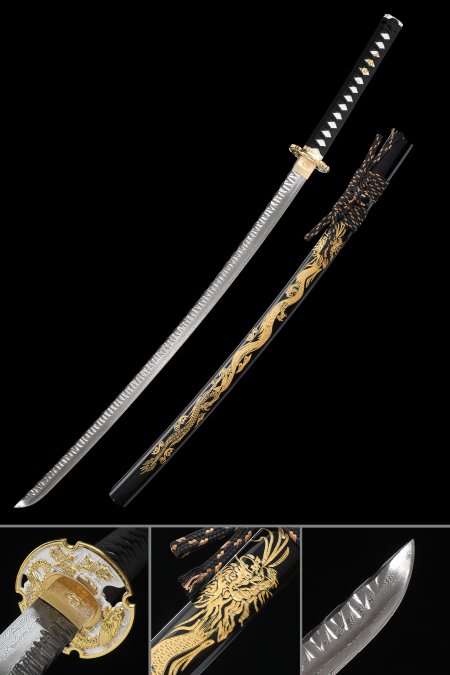
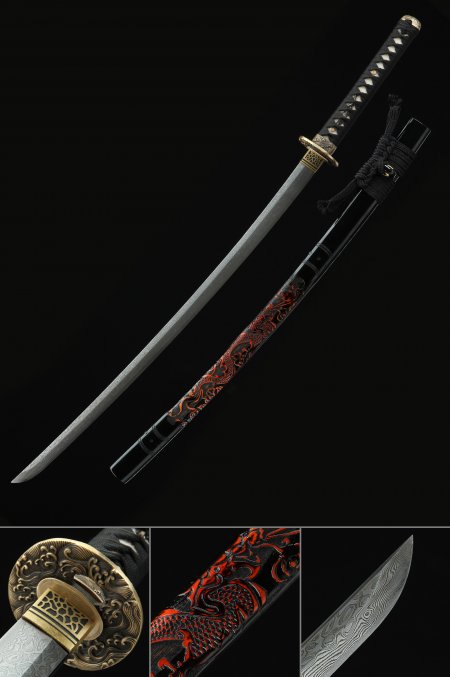
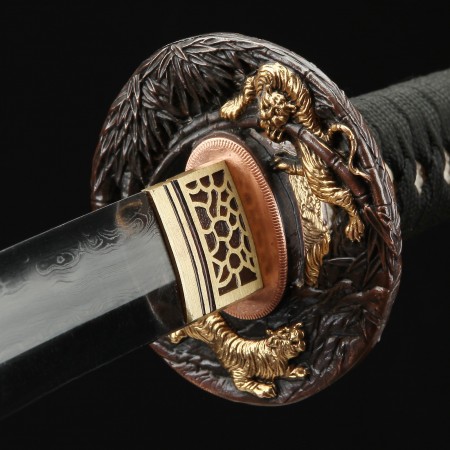
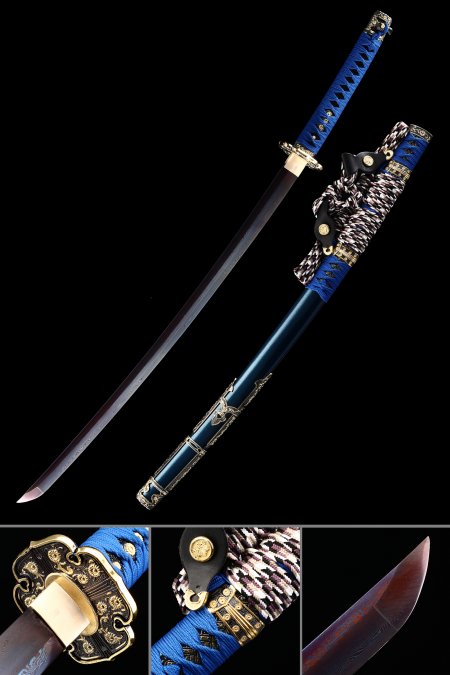
Damascus steel — produced through pattern-welding — gets its visual identity from the layering process itself. Alternating steel billets with differing carbon content are forge-welded, drawn out, folded, and welded again repeatedly. When the finished blade is etched with an acidic solution, the two steel types react at different rates, revealing the layers as a flowing, organic surface pattern. This watered-silk or ladder effect is not a coating or engraving — it runs through the full depth of the blade. No two Damascus blades produce identical patterns, which is a significant part of what makes them appealing to serious collectors. The pattern is permanent and becomes part of the blade's individual identity.
Popular Products

15% OFFkill bill sword
199.00 USD
229.00 USD
20% OFFdamascus katana
329.00 USD
409.00 USD
15% OFFww2 wakizashi
169.00 USD
199.00 USD
20% OFFdamascus katana
619.00 USD
769.00 USD
20% OFFmodern wakizashi
209.00 USD
259.00 USD
20% OFFjapanese katana
229.00 USD
289.00 USD
20% OFFdamascus katana
279.00 USD
349.00 USD
20% OFFdamascus katana
309.00 USD
389.00 USD
15% OFFreal katana
649.00 USD
769.00 USD
20% OFFtachi sword
249.00 USD
309.00 USD
15% OFFshirasaya katana
209.00 USD
249.00 USD
15% OFFshikomizue sword
229.00 USD
269.00 USD
15% OFFkill bill sword
199.00 USD
229.00 USD
20% OFFdamascus katana
329.00 USD
409.00 USD
15% OFFww2 wakizashi
169.00 USD
199.00 USD
20% OFFdamascus katana
619.00 USD
769.00 USD
20% OFFmodern wakizashi
209.00 USD
259.00 USD
20% OFFjapanese katana
229.00 USD
289.00 USD
20% OFFdamascus katana
279.00 USD
349.00 USD
20% OFFdamascus katana
309.00 USD
389.00 USD
15% OFFreal katana
649.00 USD
769.00 USD
20% OFFtachi sword
249.00 USD
309.00 USD
15% OFFshirasaya katana
209.00 USD
249.00 USD
15% OFFshikomizue sword
229.00 USD
269.00 USD

Explore Our Collections