Is the hamon on T10 steel blades authentic or decorative?
Updated Mar 2026
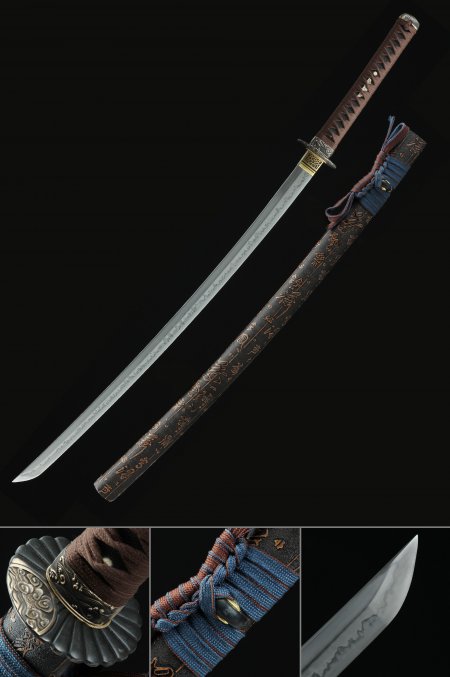
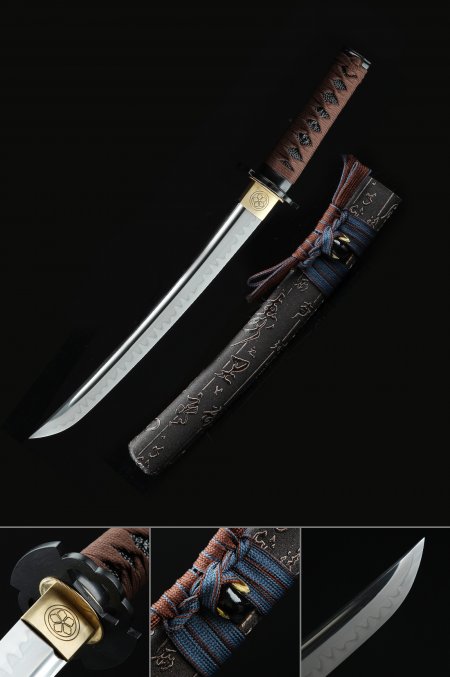
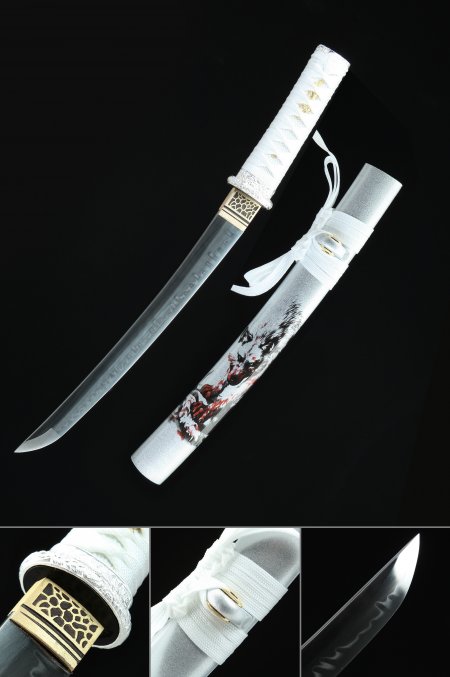
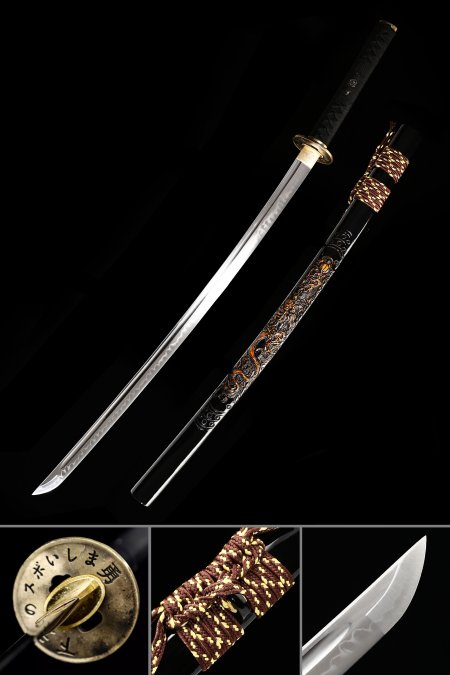
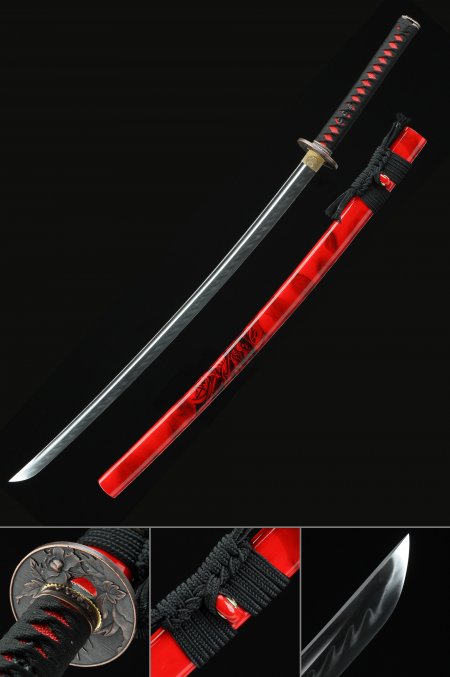
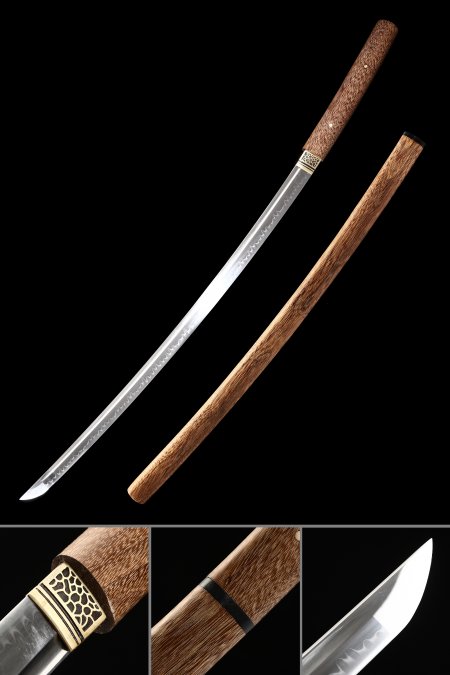
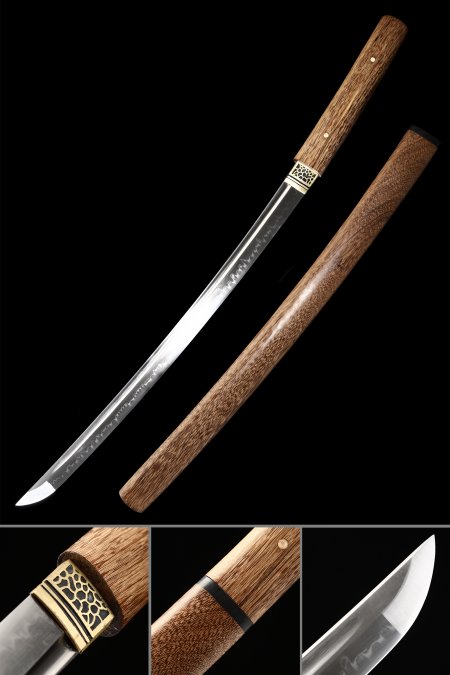
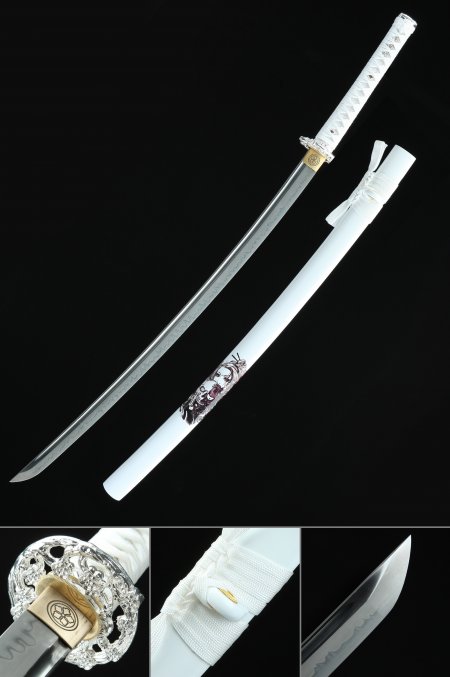
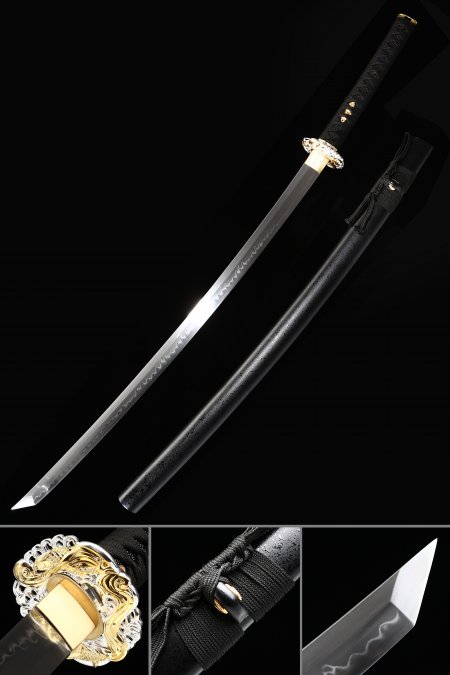
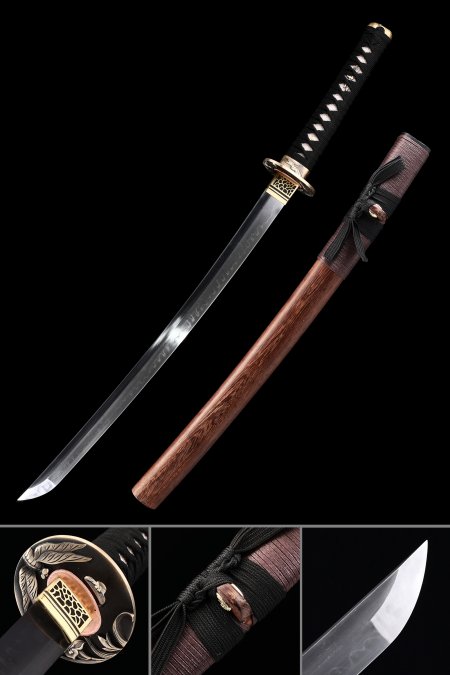
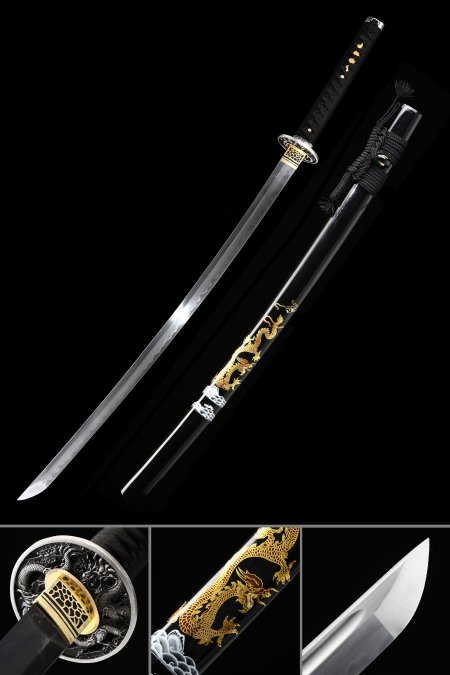
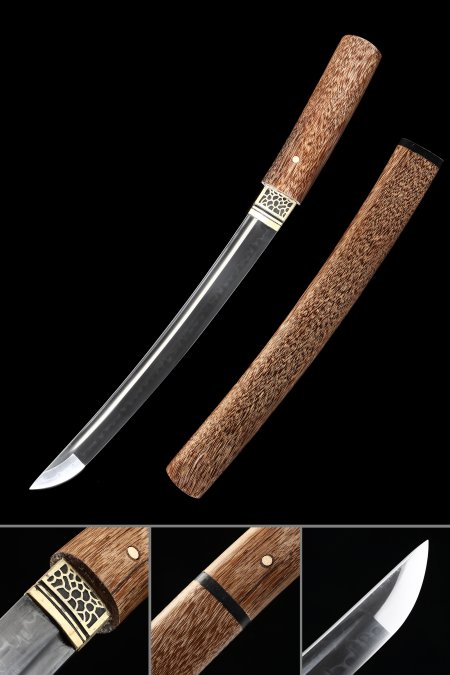
On T10 carbon steel blades in this collection, the hamon is the result of genuine clay tempering — not an acid etch or painted finish. During production, clay is applied to the spine of the blade before the final quench. This insulates the spine from rapid cooling, allowing it to remain relatively soft and flexible, while the uncoated edge hardens to a higher degree. The visible line between these two zones — the hamon — is a direct physical record of that differential hardening process. Because clay application is done by hand and no two quenches are identical, every hamon pattern is unique. Collectors familiar with nihonto evaluation will recognize this as the same foundational process used in traditional Japanese sword-making, applied to a modern T10 steel composition.