How is Damascus steel made, and why does it look that way?
Updated Mar 2026
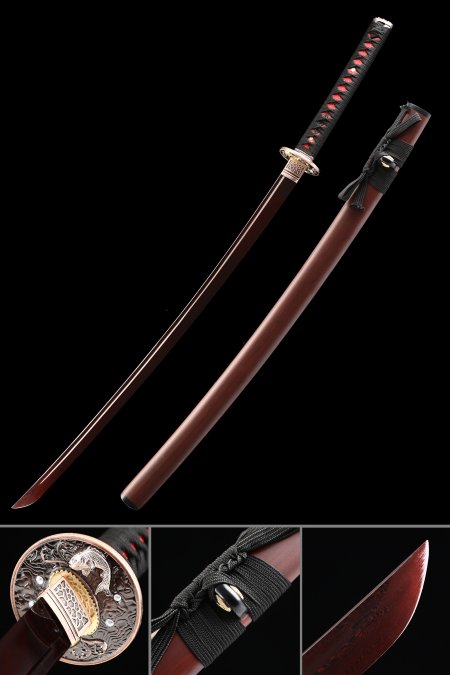
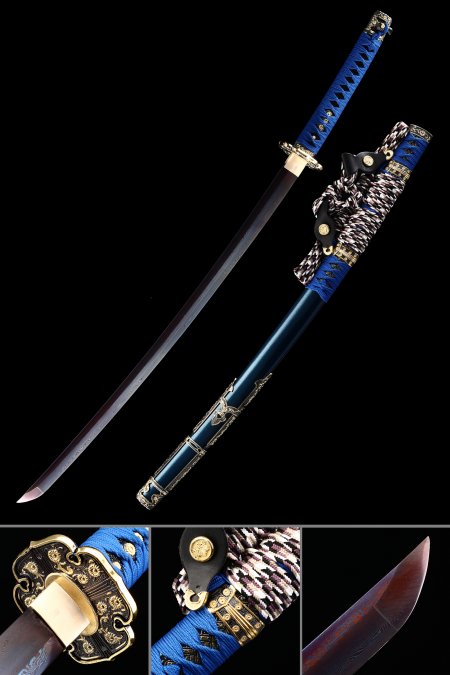
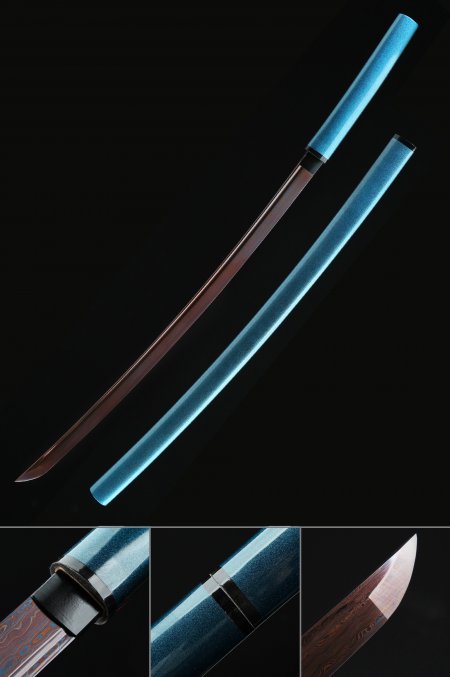
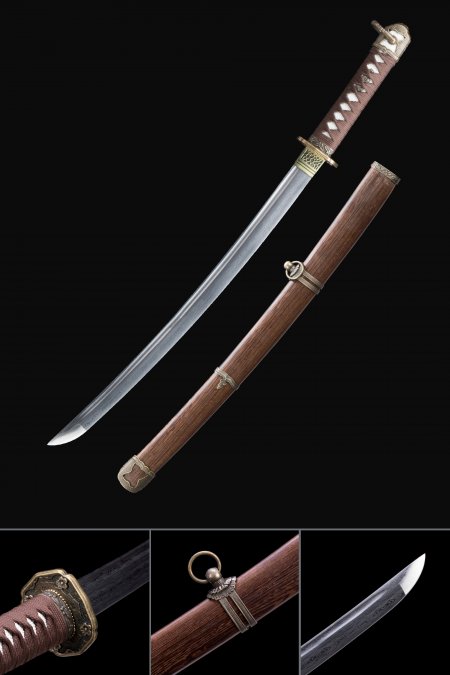
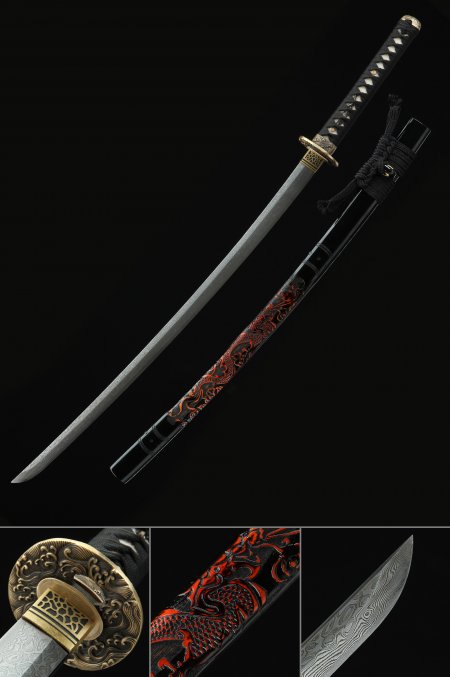
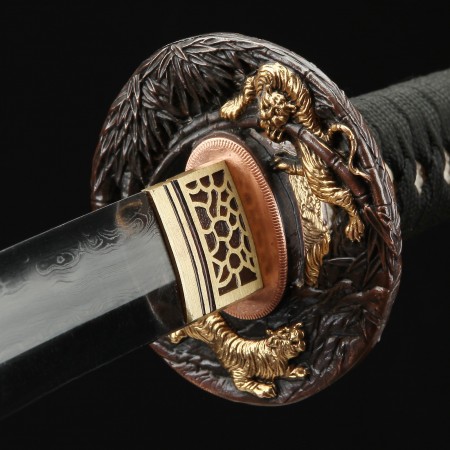
Damascus steel in modern sword production is created through a process called pattern-welding, where two or more steel alloys - typically a high-carbon steel and a softer iron-rich steel - are stacked, heated, folded, and forge-welded together repeatedly. The alternating layers of differing carbon content etch at different rates when the blade is treated with acid, revealing the flowing, wave-like grain patterns collectors immediately recognize. Depending on how the smith manipulates the billet during forging - twisting, cutting, and re-welding the layers - patterns range from tight ladder formations to sweeping feather or raindrop motifs. Because the final surface pattern depends on manual manipulation, no two Damascus blades are identical, which is a significant part of their appeal as collectible display pieces. The layer count in production-grade Damascus typically ranges from 64 to over 300 folds.