How does T10 clay-tempered steel differ from standard carbon steel?
Updated Mar 2026
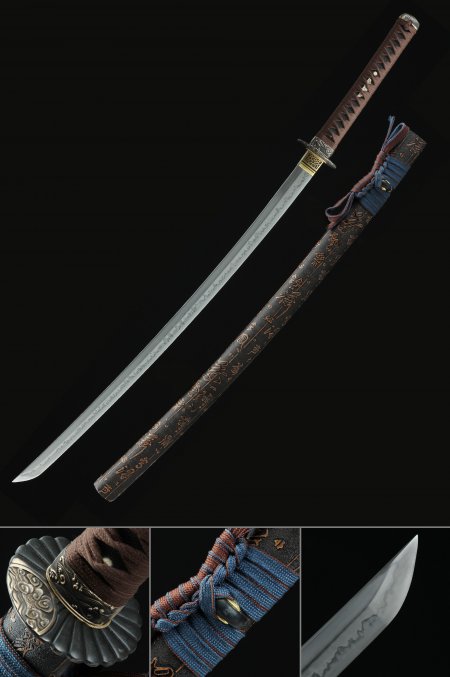
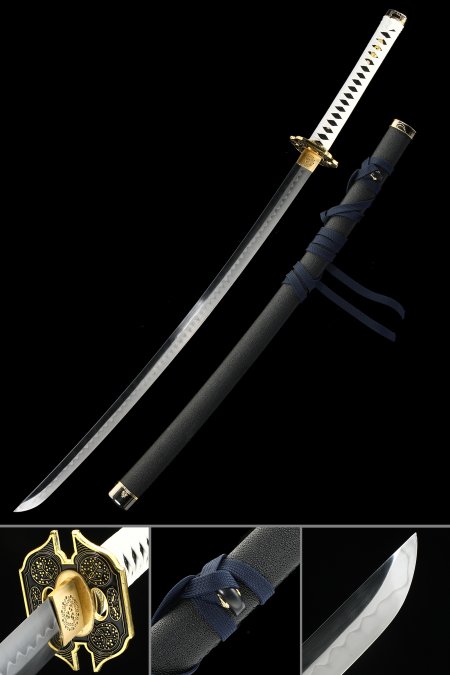
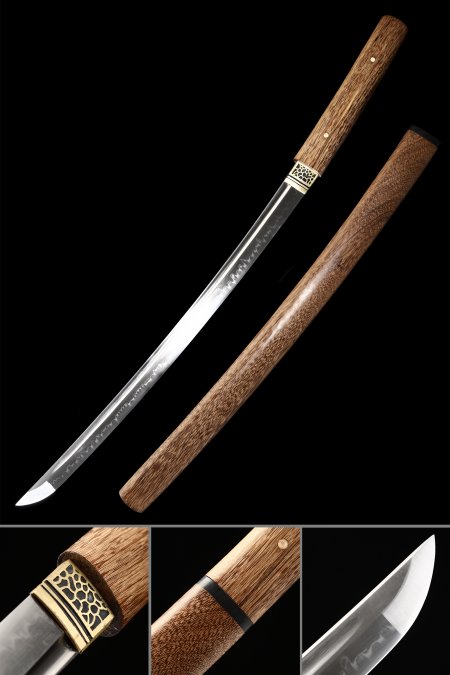
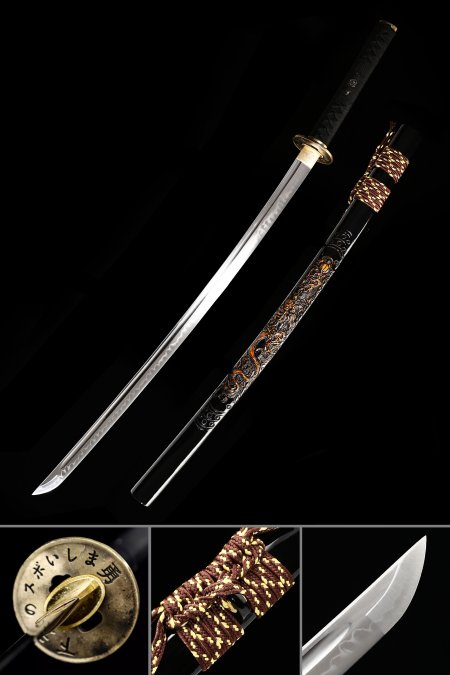
T10 is a tool-grade high-carbon steel containing roughly 1.0% carbon along with a small amount of tungsten, which improves wear resistance at the edge. What separates a clay-tempered T10 blade from a standard differentially hardened blade is the process: a refractory clay mixture is applied to the spine and body of the blade before the final quench, insulating those areas from rapid cooling. The edge, left uncoated, hardens fully during the quench while the spine remains tougher and more flexible. The visible result is a genuine hamon - a transition line in the steel's crystalline structure. Under good lighting, this line shows nie and nioi (fine and coarse martensite crystals), details that sword enthusiasts study closely. This natural hamon cannot be replicated by acid etching, and it's one of the primary markers collectors use to assess a blade's authenticity and craft level.