What is clay-tempered steel and why is it used in Japanese tanto?
Updated Feb 2026
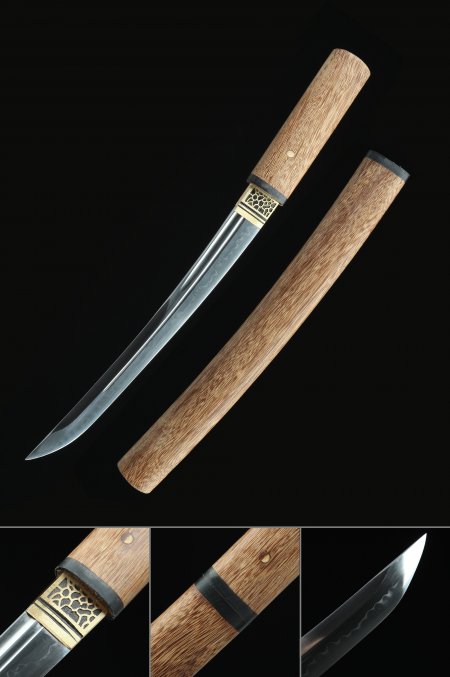
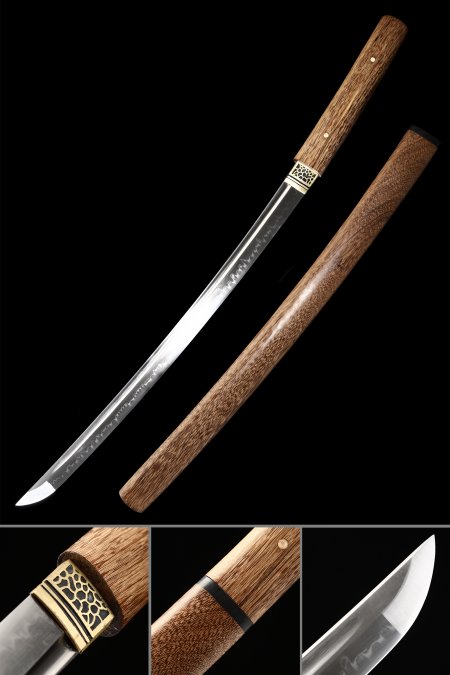
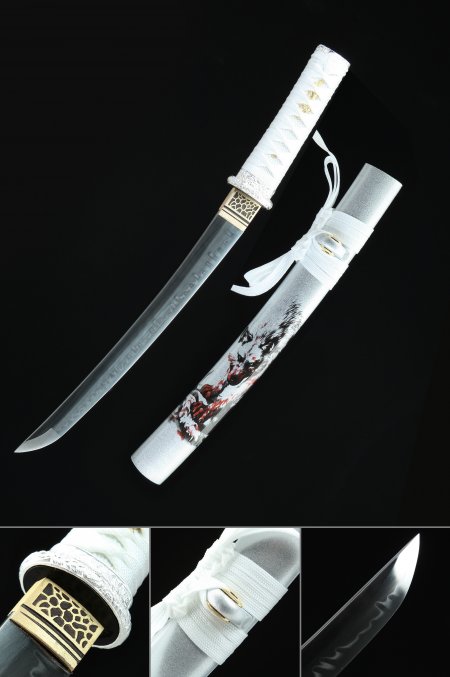
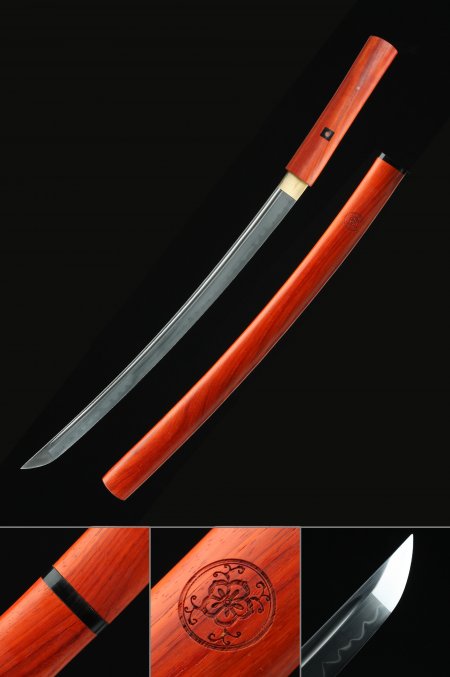
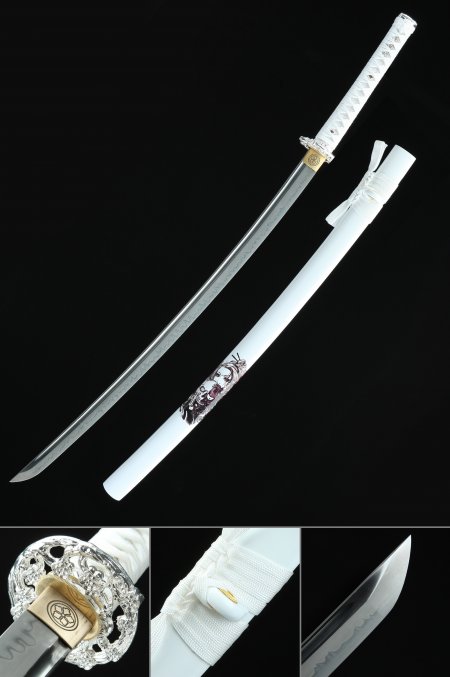
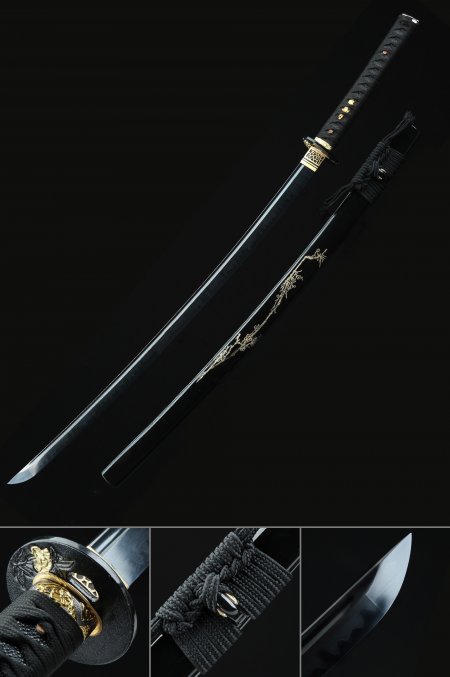
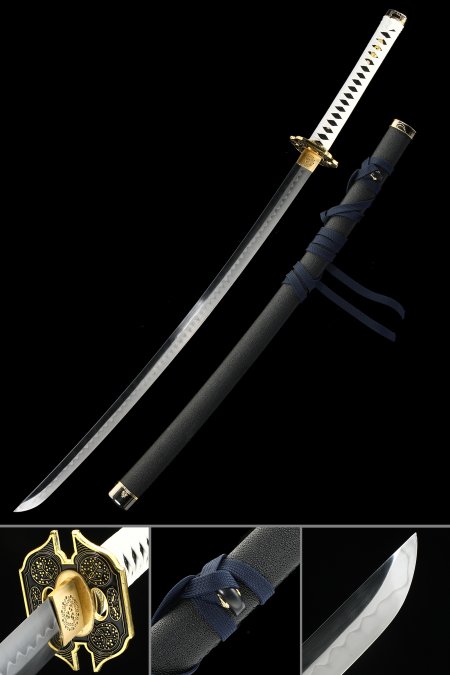
Clay-tempered steel refers to a blade that has been heat-treated using the traditional Japanese differential hardening method, where a layer of clay is applied to the blade spine before the quenching step. During quenching, the clay-coated area cools more slowly than the uncoated edge, creating a blade with a harder edge section and a tougher spine - the ideal combination for a sword that needs to hold a sharp edge without being brittle throughout. The boundary between the hard edge zone and the softer spine zone is where the hamon forms: the visible wave or cloud-like line that appears on the blade after polishing is the marker of this differential hardening zone. On T10 carbon steel - which has the ideal grain structure to display a well-defined hamon - clay tempering produces particularly clear and visually impressive hamon activity. For tanto collectors, a clay-tempered T10 blade with a well-defined hamon is among the most desirable configurations available, as it combines premium steel with the most traditional and visually compelling heat treatment method used in Japanese sword-making.