How does T10 clay-tempered steel compare to Damascus in a tanto?
Updated Mar 2026
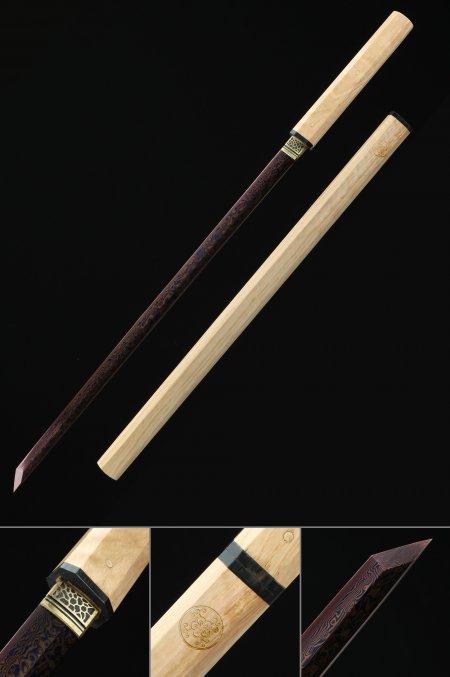
T10 and Damascus steel represent two distinct approaches to blade metallurgy and aesthetics. T10 is a high-carbon tool steel with a small tungsten content that improves wear resistance. When clay tempered, it undergoes differential hardening that creates a genuine hamon and produces a blade with a hard edge and tougher spine — a characteristic prized in traditional Japanese blade construction. Damascus steel is produced by forge-welding multiple steel layers and folding them repeatedly, resulting in the distinctive banded or watered surface pattern. Damascus is valued for its visual complexity and the craftsmanship involved in its creation. For collectors, T10 clay-tempered pieces offer a direct connection to classical Japanese forging technique, while Damascus tanto showcase surface artistry and the labor-intensive process of pattern welding. Both are serious collector materials with distinct display appeal.