How does T10 clay-tempered steel differ from 1045 carbon steel in a tanto?
Updated Mar 2026
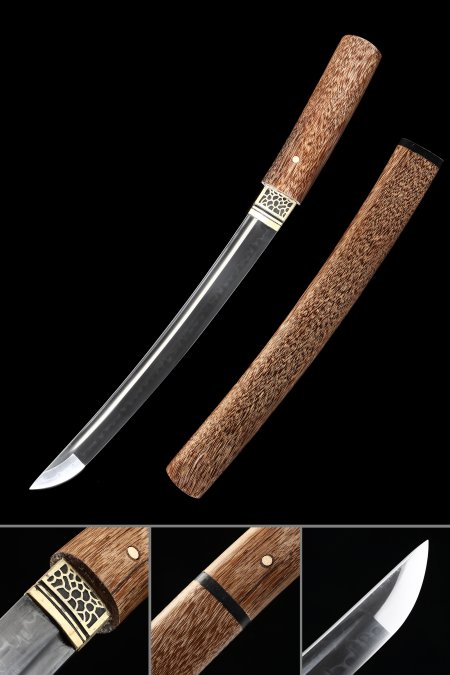
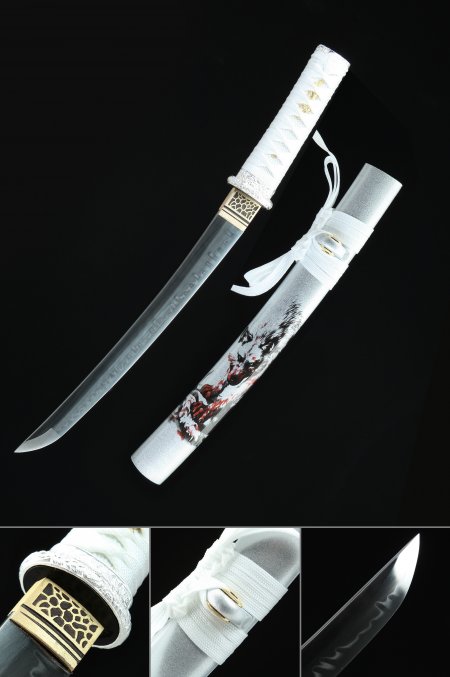
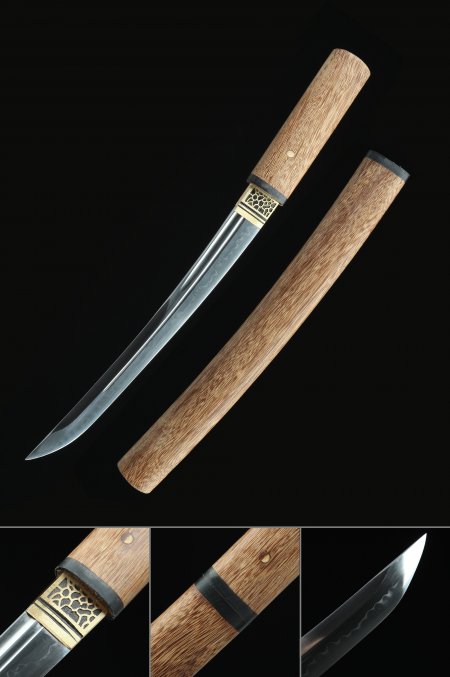
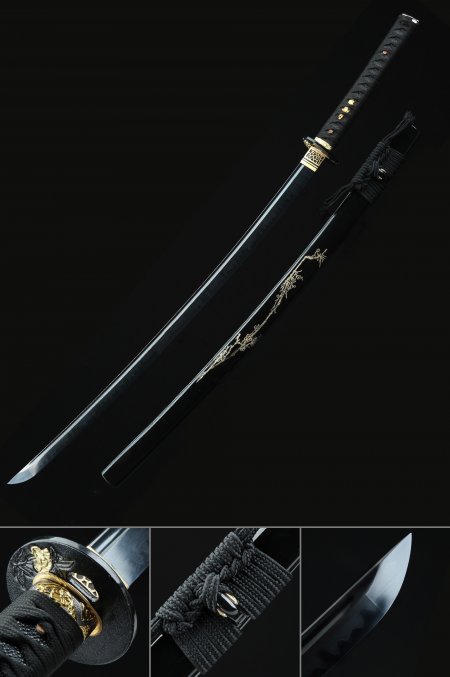
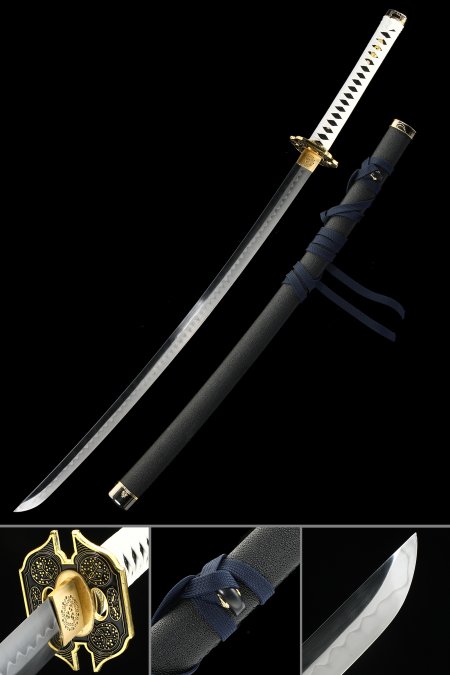
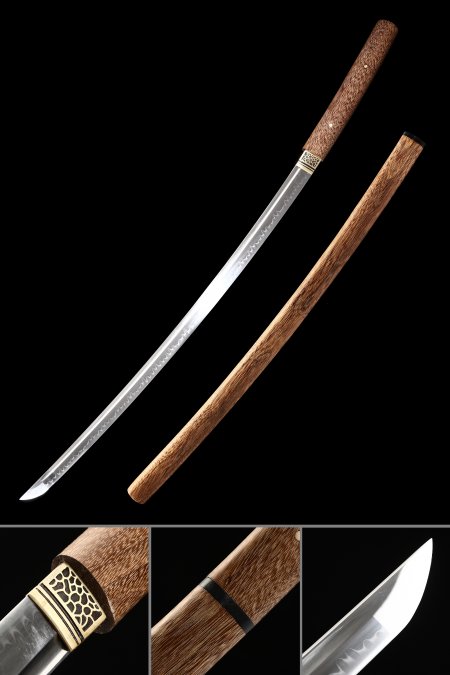
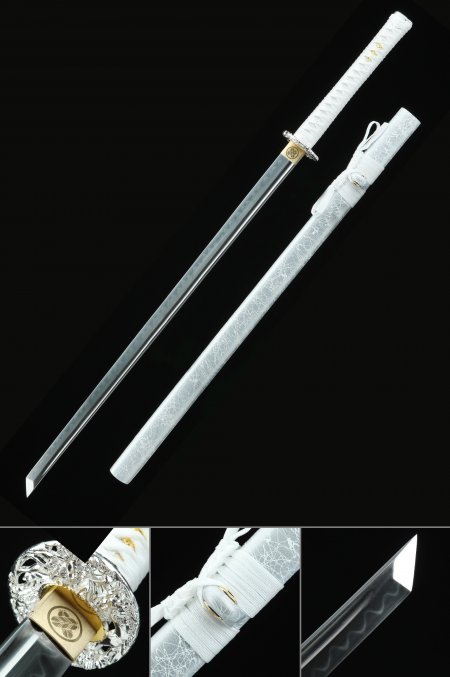
The core difference lies in carbon content and the tempering process. 1045 carbon steel contains approximately 0.45% carbon and is through-hardened, producing a uniform, durable blade that holds up well for display and test cutting. T10 steel carries a higher carbon content — closer to 1.0% — and in clay-tempered versions, a layer of clay is applied to the spine before quenching. This causes the edge to cool faster than the spine, creating a real hamon: the visible transition line between hard edge and softer spine that is one of the most prized visual characteristics in Japanese-style swords. No two hamon are identical, making each T10 tanto genuinely one of a kind. For collectors prioritizing visual distinction and authentic production technique, T10 clay-tempered is a meaningful step up.