What makes 1095 carbon steel different from stainless in a tanto?
Updated Mar 2026
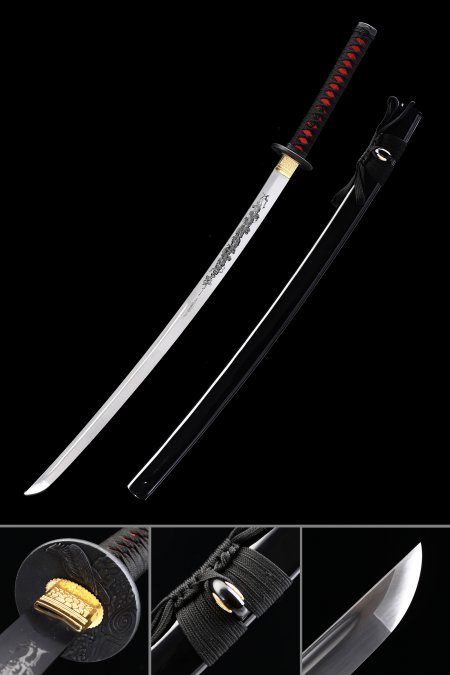
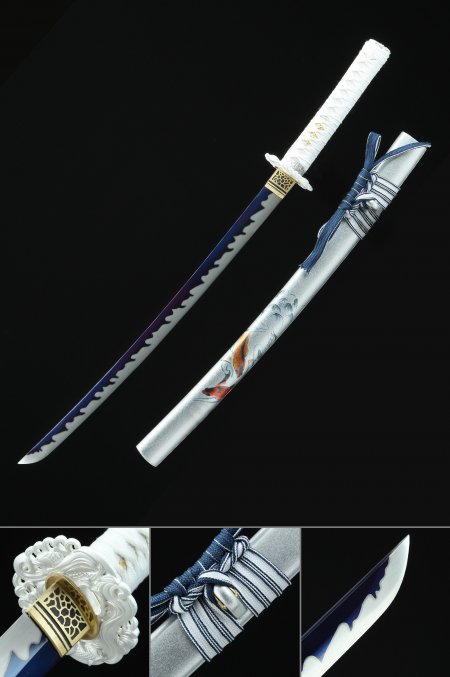
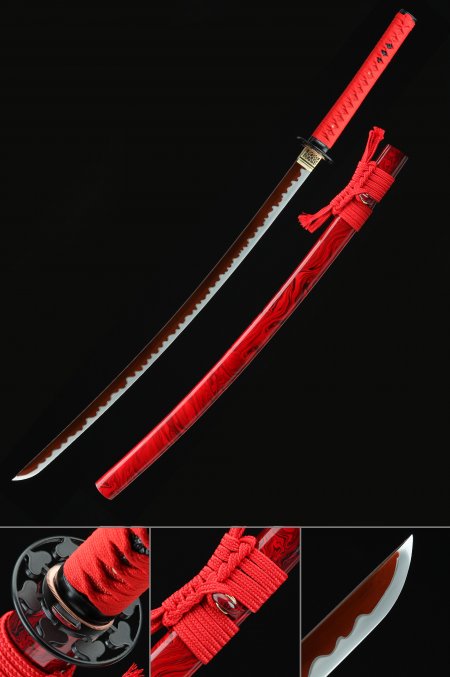
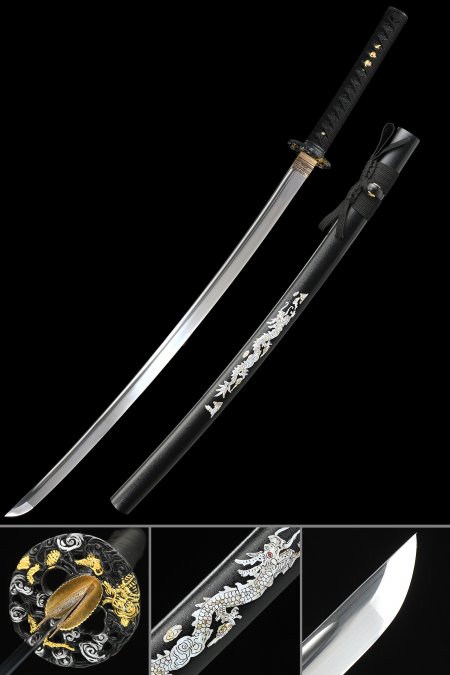
1095 high-carbon steel contains roughly 0.95% carbon, which allows it to respond to heat treatment in ways stainless steel cannot. During quenching, the differential cooling between the edge geometry and the spine produces a visible hamon — the wavy temper line that collectors consider a primary indicator of authentic forge work. Stainless alloys, while more corrosion-resistant, do not form a true hamon and tend to lack the grain texture that gives 1095 its visual depth. For display and study purposes, 1095 offers a much richer surface story than stainless alternatives.