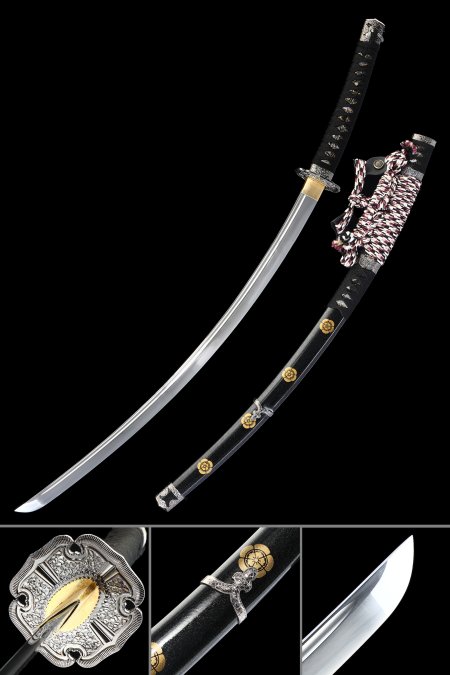
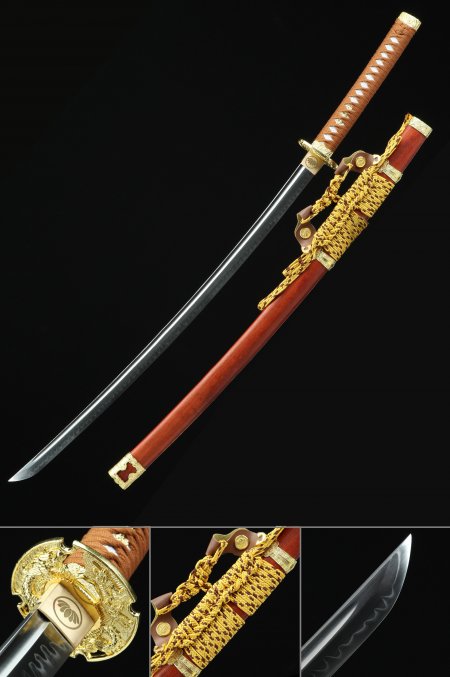
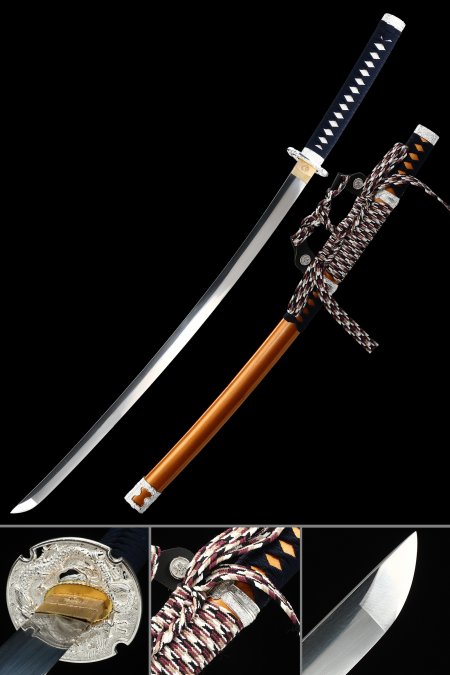
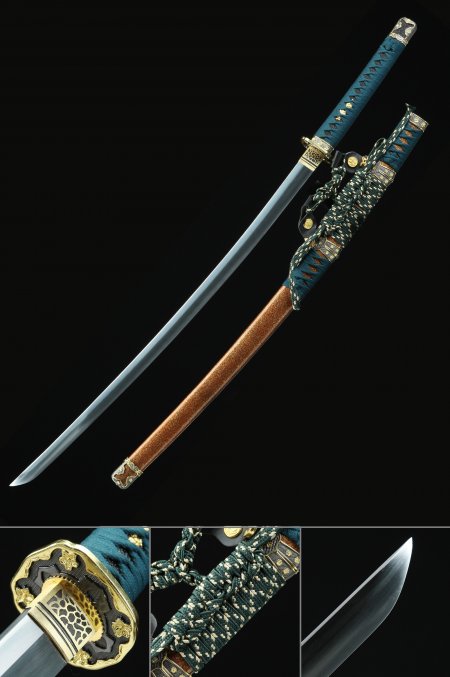
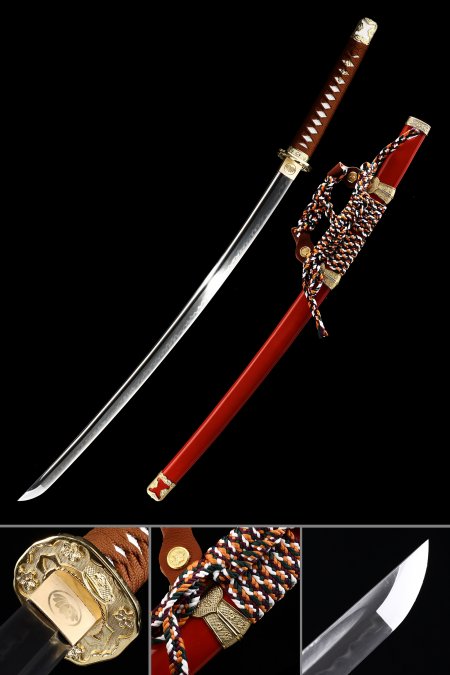
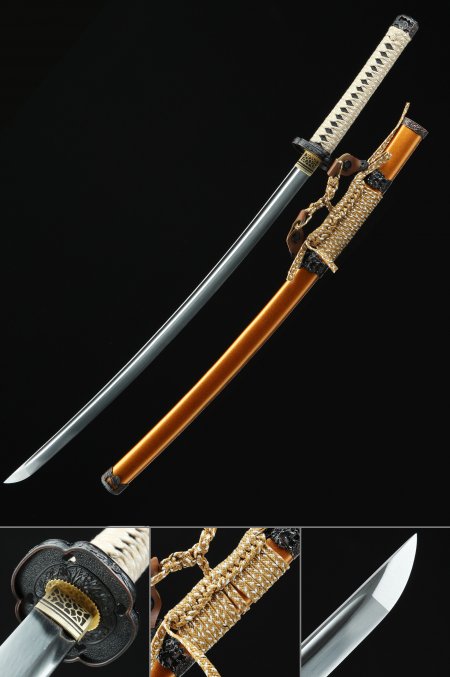
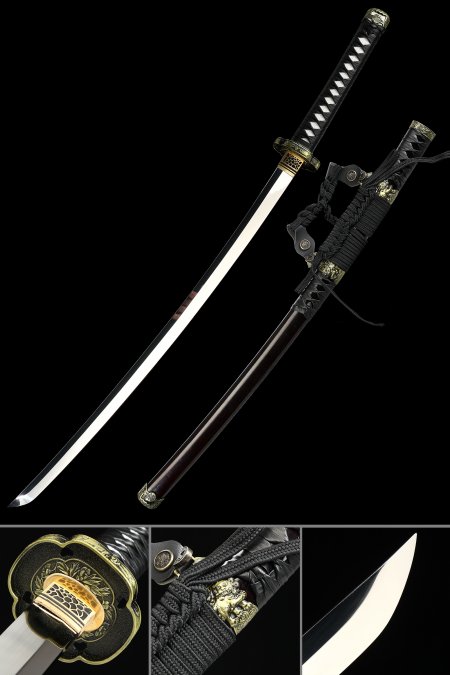
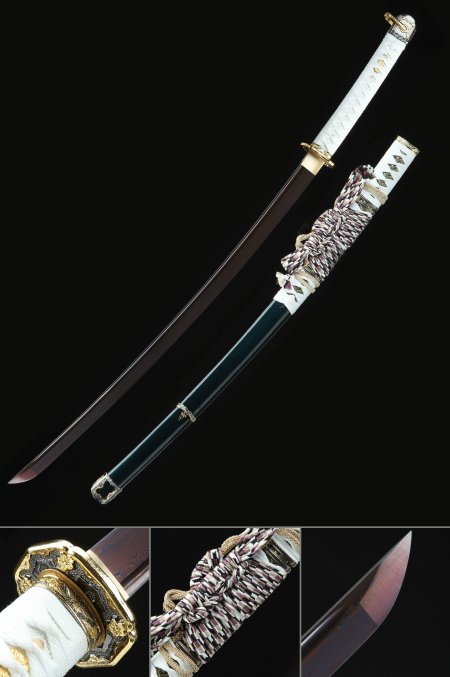
What makes 1095 carbon steel a preferred choice for tachi collectors?
Updated Mar 2026
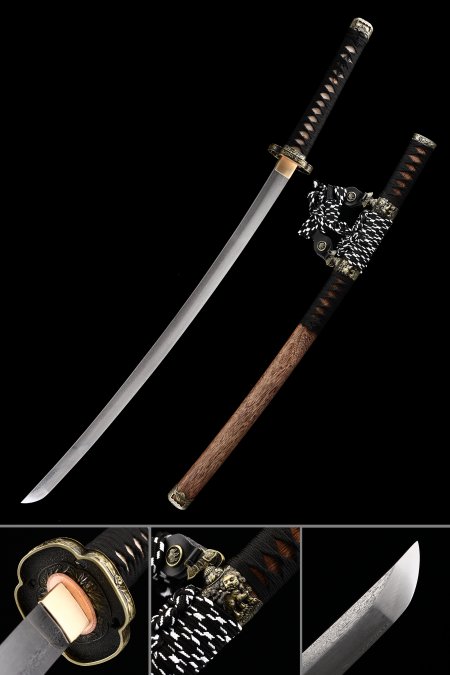
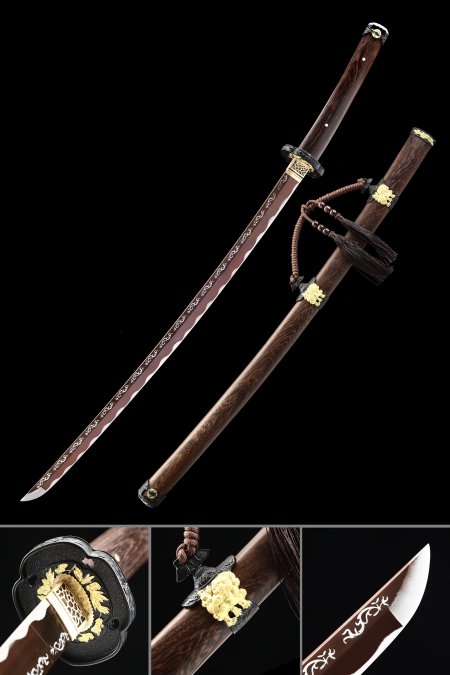
1095 carbon steel contains approximately 0.95% carbon, placing it in the high-carbon category that responds exceptionally well to differential heat treatment. When the edge is quenched at a faster rate than the spine, the resulting hardness gradient creates a visible hamon — the temper line that runs along the blade's length and is considered one of the most important aesthetic and structural details in Japanese blade collecting. The spine retains relative flexibility while the edge area achieves significant hardness, producing a profile that displays beautifully and holds its geometry over time. For collectors, the visibility of a well-formed hamon on 1095 steel is a direct, readable record of the smith's heat treatment process — a detail that differentiates hand-forged collectibles from mass-produced display pieces.