What makes 1095 carbon steel a preferred choice for ninjato blades?
Updated Mar 2026
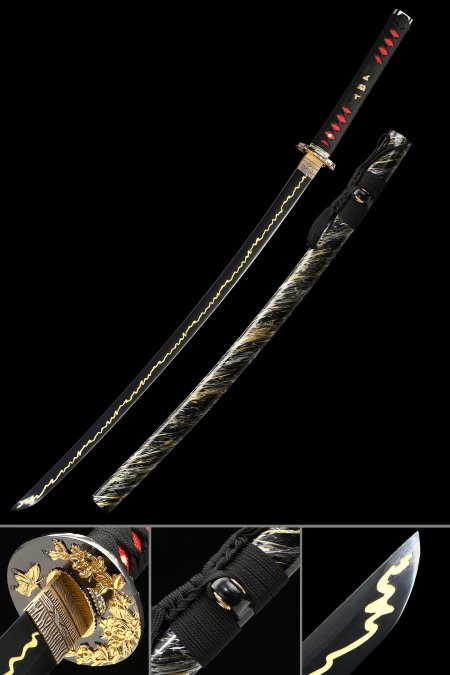
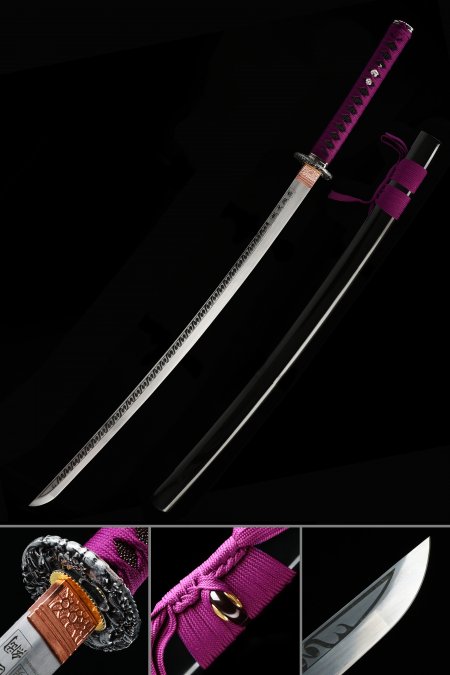
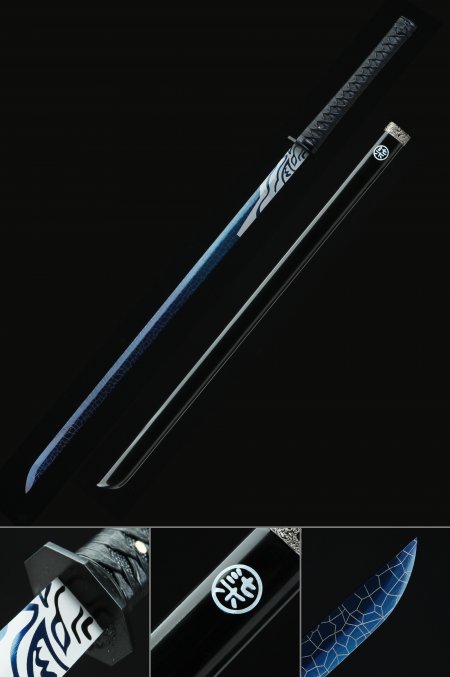
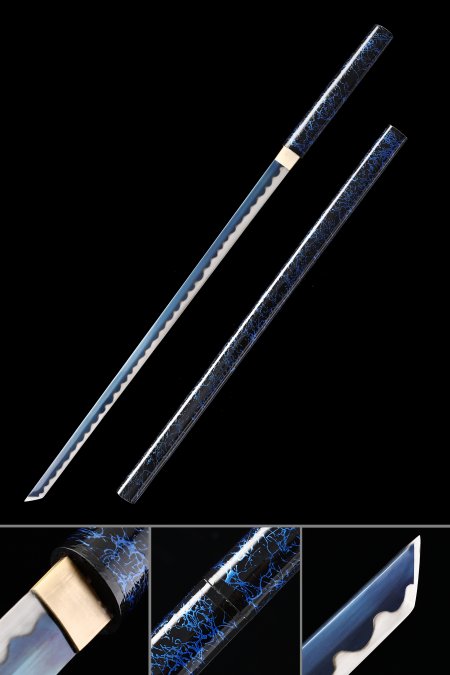
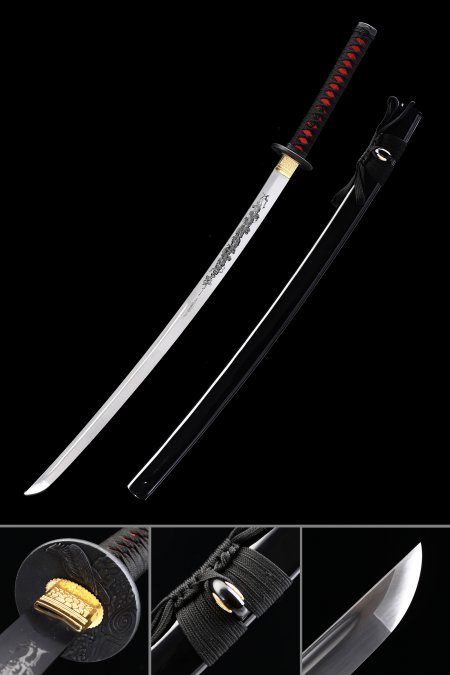
1095 carbon steel contains roughly 0.95% carbon, which sits at the upper end of the high-carbon range suitable for hand-forged blades. This composition allows the steel to achieve high surface hardness at the edge through differential heat treatment, while the spine retains enough toughness to resist fracturing under stress. For collectors, the practical advantage is that 1095 responds predictably to the clay-coating and quenching process used in traditional differential hardening, producing a visible hamon — the temper line that separates the hardened edge zone from the more resilient body of the blade. That hamon is not merely decorative; it is a direct record of the smith's heat work and is one of the primary details experienced collectors examine when assessing authenticity and craftsmanship quality.