Black 1095 Carbon Steel Tachi Swords
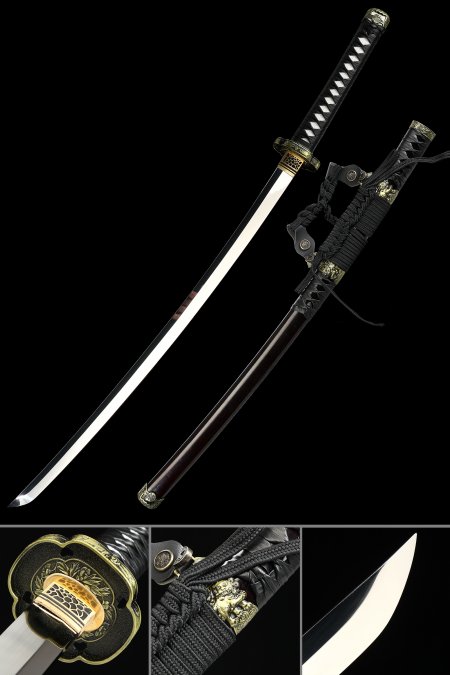
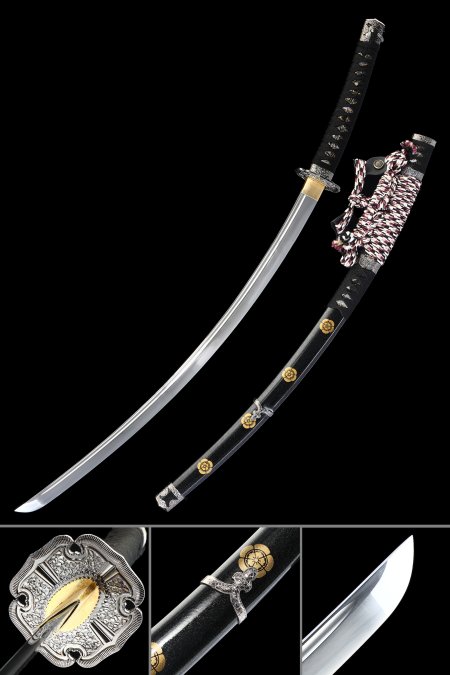
Black 1095 carbon steel tachi swords bring together centuries-old Japanese sword-making tradition and striking visual presentation. Each piece in this collection features a full-tang construction with hand-applied black finishes, distinctive tsuba designs, and lacquered saya that make them standout additions to any serious display. Every order ships free with hassle-free returns, so adding to your collection is always risk-free.
Free Shipping
349.00 USD
Related Collections
Frequently Asked Questions
What makes 1095 carbon steel a preferred choice for tachi collectors?
1095 high-carbon steel contains roughly 0.95% carbon, which gives it a fine, consistent grain structure that responds well to surface finishing and polishing. For collectors, this matters because the steel develops a visually rich character over time — the blade surface can exhibit subtle variations in tone and texture that synthetic or stainless alternatives simply cannot replicate. It also accepts black oxide and other applied finishes more evenly, which is why it's the steel of choice for pieces where the blade's visual presence is central to the display. From a collector standpoint, 1095 has a well-documented production history in both Japanese and Western sword traditions, lending it a degree of material authenticity that adds to long-term collectible value.
How does a tachi differ from a katana in terms of design and display?
The most immediate difference is curvature and length. The tachi typically has a more pronounced sori (curve) and a longer overall blade than the katana, reflecting its origins as a cavalry sword worn edge-downward rather than edge-up through the belt. This distinction matters for display: a tachi is traditionally mounted and presented with the cutting edge facing downward, which is the reverse of how a katana is displayed. The blade curvature also appears more dramatic when viewed from certain angles, making tachi particularly striking as wall-mounted display pieces. Collectors who own both often note that the tachi commands a different kind of visual presence — longer, more sweeping, and visually tied to an earlier and arguably more formal period of Japanese sword history.
What does full-tang construction mean for a display tachi?
Full-tang means the steel of the blade extends continuously through the entire length of the handle, rather than terminating partway through or being attached via a threaded bolt. For a display piece, this is one of the clearest indicators of build quality. It means the handle scales (the tsuka) are fitted around a single uninterrupted piece of steel, which eliminates the wobble or looseness that can develop in lesser constructions over time. From a collector perspective, full-tang assembly also makes it easier to disassemble, inspect, and maintain the piece — the handle components can typically be removed to clean or re-oil the tang, which is important for long-term preservation of high-carbon steel against moisture and oxidation.
How should I care for a black-finished 1095 carbon steel tachi?
High-carbon steel requires more attentive care than stainless alternatives because it is susceptible to surface oxidation when exposed to moisture or skin oils. For a black-finished blade, the routine is straightforward: apply a light coat of camellia oil or mineral oil to the blade surface every few months, or after handling. Store the tachi horizontally on a display stand or in its saya in a low-humidity environment — silica gel packs placed near the storage area help regulate moisture levels. Avoid storing the blade in a leather-lined scabbard long-term, as leather can trap moisture against the steel. If you notice any dull spots or early rust on the surface, a soft cloth with a small amount of oil and gentle buffing will usually address it before deeper corrosion sets in.
Is a tachi a good centerpiece for a Japanese sword display collection?
The tachi's elongated form and historical prestige make it one of the most visually authoritative centerpieces in a Japanese sword display. Because of its length and pronounced curve, it naturally draws the eye more than shorter blade forms. Collectors who arrange multi-piece displays often position the tachi as the anchor piece — flanked by shorter swords or complementary items such as stands, plaques, or thematically matched accessories. The black 1095 variants in this collection are particularly well-suited to this role because the unified dark finish ties together a mixed display without visual conflict. For collectors interested in pairing long-sword forms, an odachi alongside a tachi creates a compelling contrast in scale while maintaining aesthetic consistency.
Customer Reviews
James Pendleton
Virginia, United States
Product is as advertised! Great craftsmanship, build and design. No flaws detected. AWESOME PRODUCT!! THANK YOU!
 |
1095 Carbon Steel Odachi Sword Full Tang with Black Lacquer Saya and Silver Scroll Tsuba |