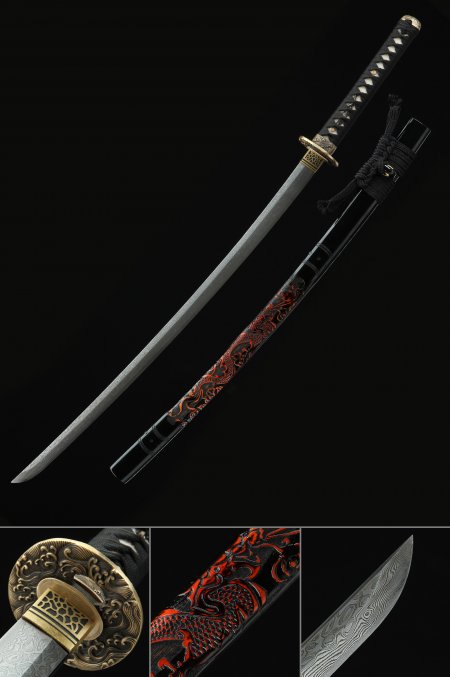
What makes Damascus steel visually unique on a ninjato blade?

 Updated Mar 2026

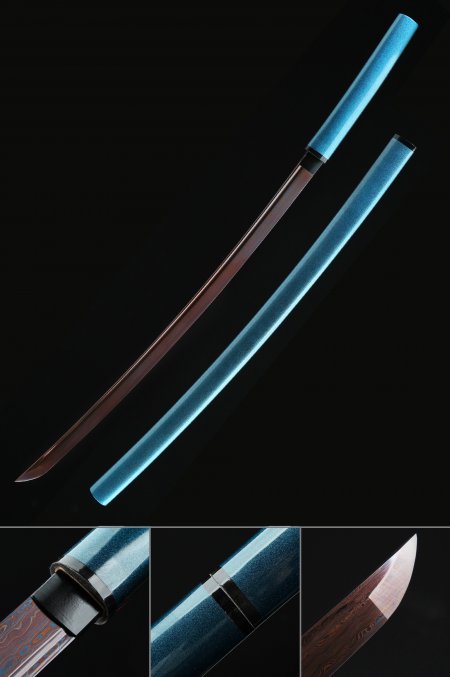
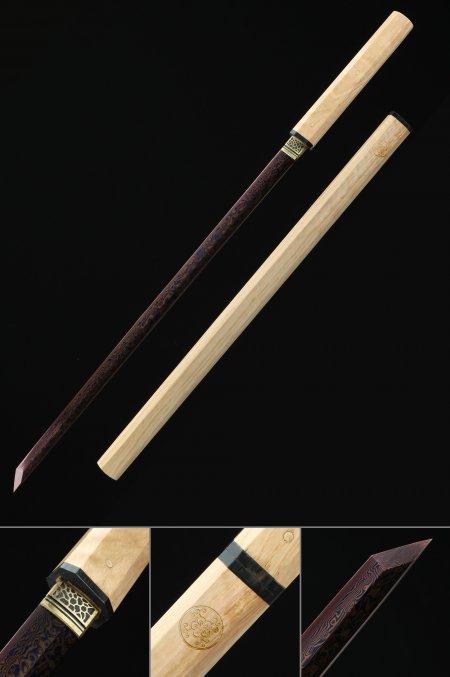
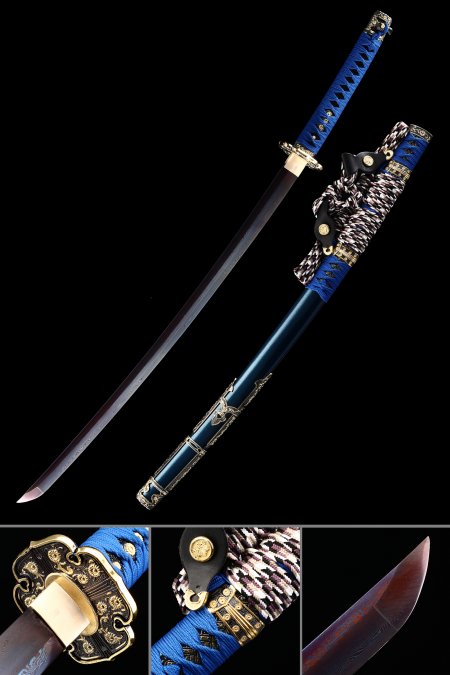
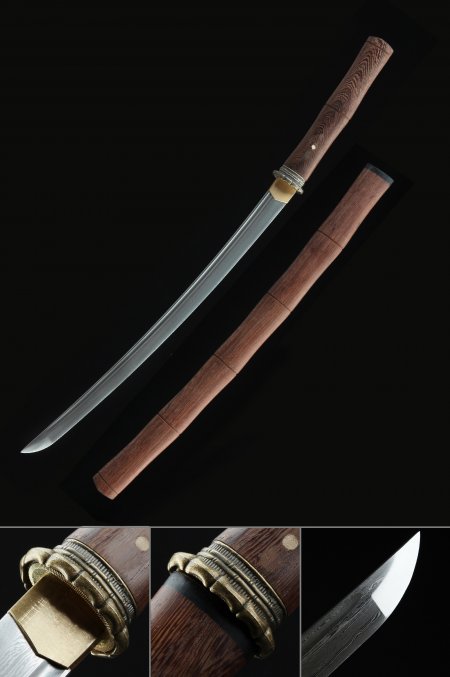
Damascus steel is created by forge-welding and folding multiple layers of high-carbon and low-carbon steel together, then acid-etching the finished blade to reveal the internal grain structure. This etching process brings out flowing, wave-like patterns across the surface - sometimes described as woodgrain or water ripples - that are entirely unique to each individual blade. Because the folding is done by hand and the carbon distribution shifts with every pass through the forge, no two Damascus ninjato blades will display the same pattern. For collectors, this means each piece is genuinely one-of-a-kind at the surface level, even within a consistent design family. The visual effect becomes more nuanced under different lighting conditions, which is one reason Damascus collectibles reward display in well-lit cases or under directional spotlighting.
Popular Products

15% OFFkatana sword
199.00 USD
229.00 USD
15% OFFww2 wakizashi
169.00 USD
199.00 USD
15% OFFshirasaya katana
209.00 USD
249.00 USD
20% OFFblack katana
159.00 USD
199.00 USD
15% OFFshikomizue sword
229.00 USD
269.00 USD
20% OFFsamurai sword
289.00 USD
359.00 USD
15% OFFblack katana
179.00 USD
209.00 USD
20% OFFtachi sword
249.00 USD
309.00 USD
15% OFFblack katana
179.00 USD
209.00 USD
15% OFFshort katana
199.00 USD
239.00 USD
20% OFFdamascus katana
619.00 USD
769.00 USD
20% OFFdamascus katana
309.00 USD
389.00 USD
15% OFFkatana sword
199.00 USD
229.00 USD
15% OFFww2 wakizashi
169.00 USD
199.00 USD
15% OFFshirasaya katana
209.00 USD
249.00 USD
20% OFFblack katana
159.00 USD
199.00 USD
15% OFFshikomizue sword
229.00 USD
269.00 USD
20% OFFsamurai sword
289.00 USD
359.00 USD
15% OFFblack katana
179.00 USD
209.00 USD
20% OFFtachi sword
249.00 USD
309.00 USD
15% OFFblack katana
179.00 USD
209.00 USD
15% OFFshort katana
199.00 USD
239.00 USD
20% OFFdamascus katana
619.00 USD
769.00 USD
20% OFFdamascus katana
309.00 USD
389.00 USD

Explore Our Collections