Marble Damascus Steel Ninjato
The Marble Damascus Steel Ninjato collection brings together hand-forged folded steel blades with richly lacquered sayas finished in a distinctive marble pattern. Each piece pairs intricate Damascus layering with ornate tsuba designs - from chrysanthemum motifs to scrollwork - creating display-worthy collectibles that reward close inspection. Free standard shipping is included on all orders, backed by our hassle-free return policy.
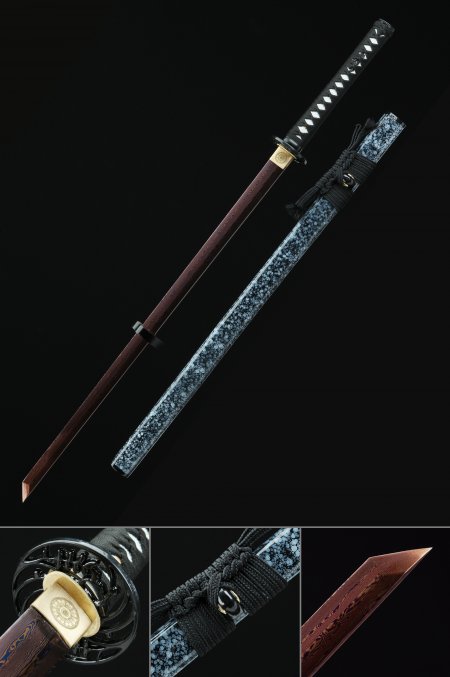
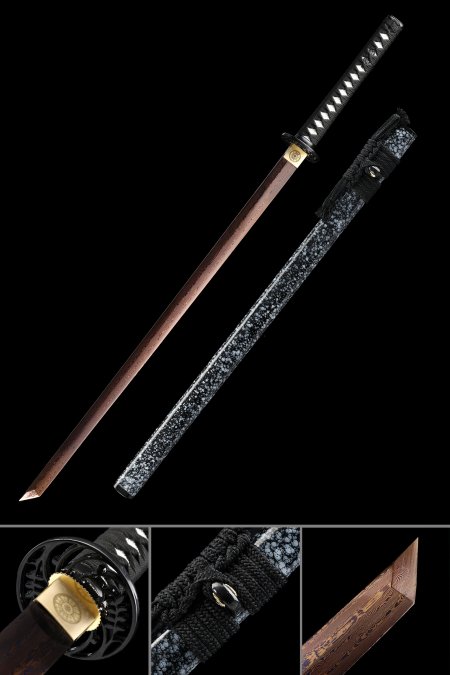
Free Shipping
229.00 USD
Related Collections
Black Damascus Katana27 items
Folded Damascus Katana109 items
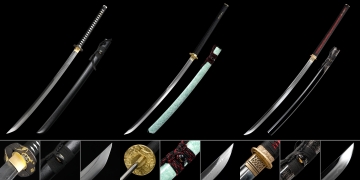
Damascus Naginata4 items
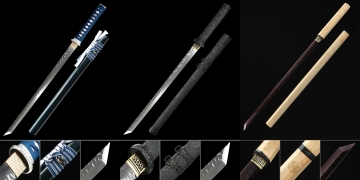
Damascus Chokuto19 items
Frequently Asked Questions
What makes Damascus steel visually unique on a ninjato blade?
Damascus steel is created by forge-welding and folding multiple layers of high-carbon and low-carbon steel together, then acid-etching the finished blade to reveal the internal grain structure. This etching process brings out flowing, wave-like patterns across the surface - sometimes described as woodgrain or water ripples - that are entirely unique to each individual blade. Because the folding is done by hand and the carbon distribution shifts with every pass through the forge, no two Damascus ninjato blades will display the same pattern. For collectors, this means each piece is genuinely one-of-a-kind at the surface level, even within a consistent design family. The visual effect becomes more nuanced under different lighting conditions, which is one reason Damascus collectibles reward display in well-lit cases or under directional spotlighting.
How does a ninjato differ from a katana as a collectible?
The katana is defined by its pronounced curved blade and was historically associated with the samurai class, making it the most widely recognized form in Japanese sword collecting. The ninjato, by contrast, features a straighter blade profile and a more compact overall length, giving it a distinctly different silhouette that appeals to collectors interested in the broader range of Japanese blade traditions. From a display perspective, the ninjato's straight or minimally curved geometry creates strong, architectural lines that contrast nicely with the flowing curvature of a katana when pieces are displayed together. The tsuba and handle proportions also tend to differ, with ninjato fittings often carrying a more angular, graphic quality. Collectors who appreciate variety in their arrangements frequently pair ninjato pieces with Damascus steel katana to highlight these stylistic contrasts.
What is the lacquer process behind the marble saya finish?
Producing a convincing marble finish on a wooden saya involves multiple lacquer application stages rather than a single coat. The base layers establish color depth, while subsequent applications introduce the veining and tonal variation that give marble its characteristic look. Each coat must dry and cure fully before the next is added - a process that cannot be rushed without risking adhesion failures or surface cloudiness. The final layers are typically buffed to a smooth, even sheen that protects the underlying decorative work. The result is a saya surface with genuine visual depth: color shifts slightly depending on the angle of observation, and the veining patterns have a three-dimensional quality that flat painted finishes cannot replicate. This level of finish work is a meaningful part of what makes these ninjato pieces collectible rather than merely decorative.
How should I care for a Damascus ninjato kept on display?
Long-term display care for a Damascus ninjato comes down to a few consistent habits. Keep the blade stored in its saya whenever it is not being actively examined, since open-air exposure accelerates surface oxidation - particularly in humid environments. Every two to three months, apply a light coat of choji oil or food-grade mineral oil to the blade, spreading it evenly with a soft cloth and wiping away any excess. Avoid handling the blade surface with bare hands; the natural oils and salts from skin contact leave residue that can cause discoloration over time. For the saya, keep it away from direct sunlight and heat sources, both of which can cause lacquer to crack or yellow. When mounting the piece horizontally in a display rack, use padded or fabric-covered supports to protect the lacquer at contact points. These simple steps will preserve both the blade patterning and the marble finish across many years of display.
Is a marble Damascus ninjato a good choice as a collector's gift?
For someone with an established interest in Japanese swords or East Asian decorative arts, a marble Damascus ninjato makes a distinctive gift precisely because it combines multiple layers of craft in a single object - the metallurgical artistry of Damascus folding, the decorative detail of an ornate tsuba, and the lacquerwork of a marble-finish saya. It is visually striking enough to appeal even to recipients who are new to the hobby, while offering enough material and historical depth to hold the interest of more experienced collectors. The ninjato's straight-blade silhouette also makes it slightly less common in most collections than a katana, which adds an element of novelty. Pairing the piece with a basic sword care kit - choji oil, a soft maintenance cloth - rounds out the gift with practical value for long-term upkeep.