How do I read the hamon line on a display tachi blade?
Updated Mar 2026
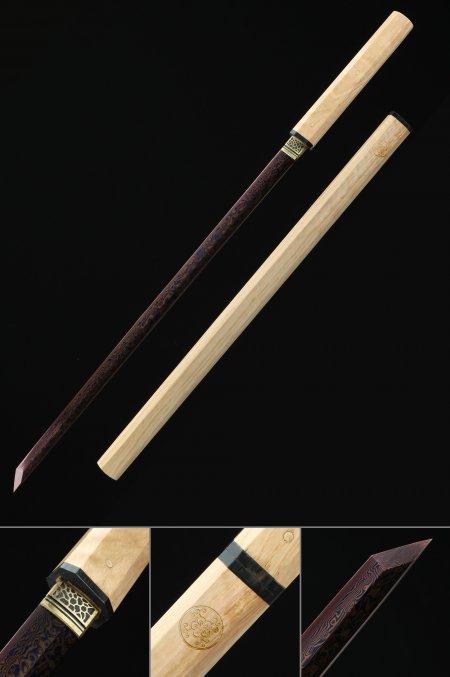
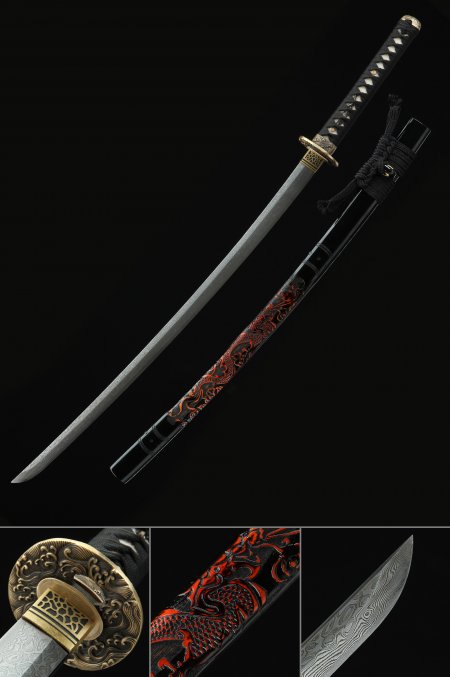
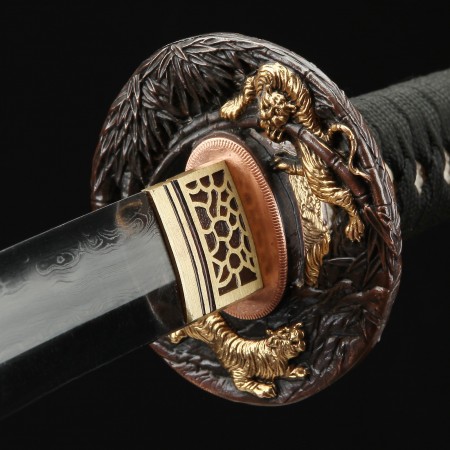
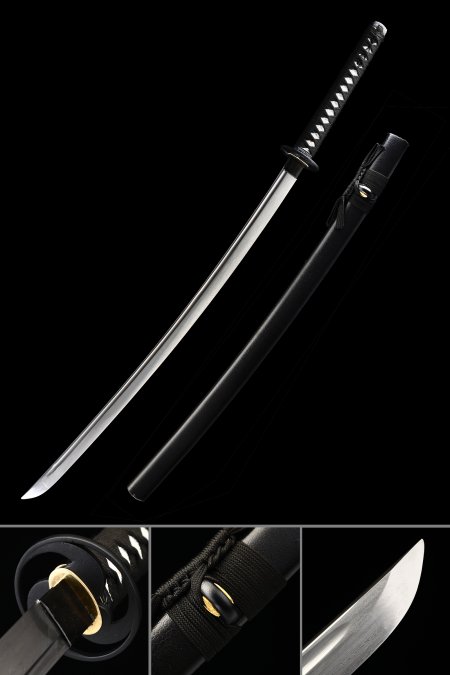
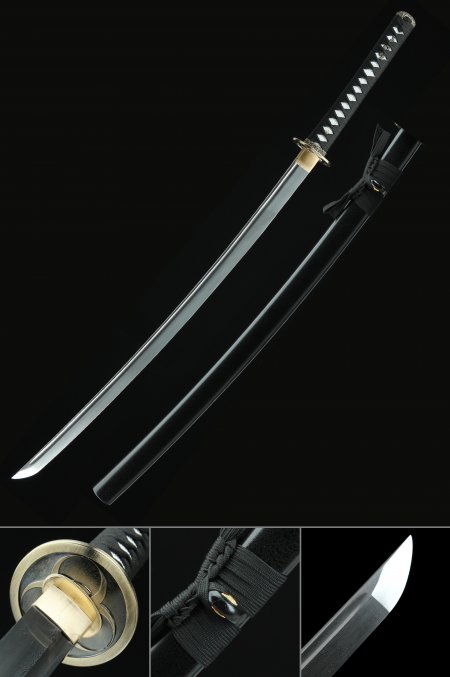
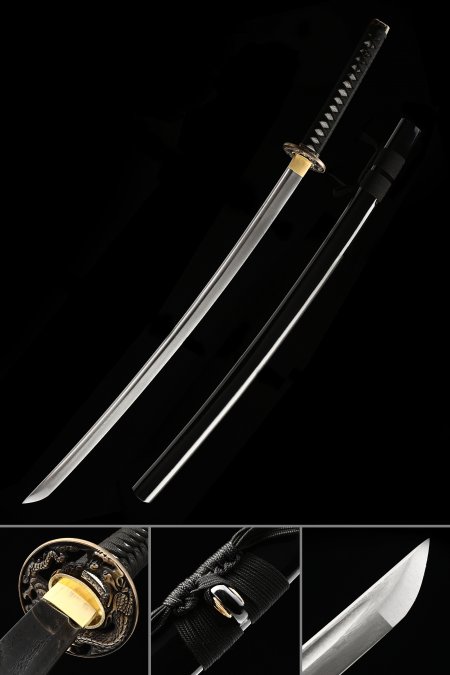
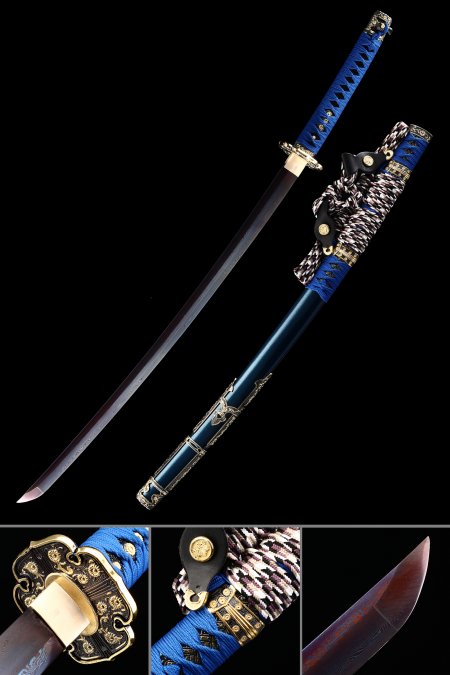
The hamon is a visible boundary line that appears along the lower portion of a blade, separating the hardened edge zone from the body of the steel. On traditionally made blades it results from clay coating applied before quenching - areas covered by clay cool slowly and remain softer, while the exposed edge quenches rapidly and hardens. On select pieces in the olive tachi collection, this line is present and polished to stand out against the Damascus surface. To appreciate it properly, view the blade under a single directional light source held at a low angle. The hamon will appear as a misty, undulating line with a distinct activity pattern. A straight hamon is called suguha; a wavy or irregular pattern is called notare or gunome. Knowing the style present on your piece adds meaningful context to your collection.