How does Damascus steel differ from 1095 or T10 in a tachi blade?
Updated Mar 2026
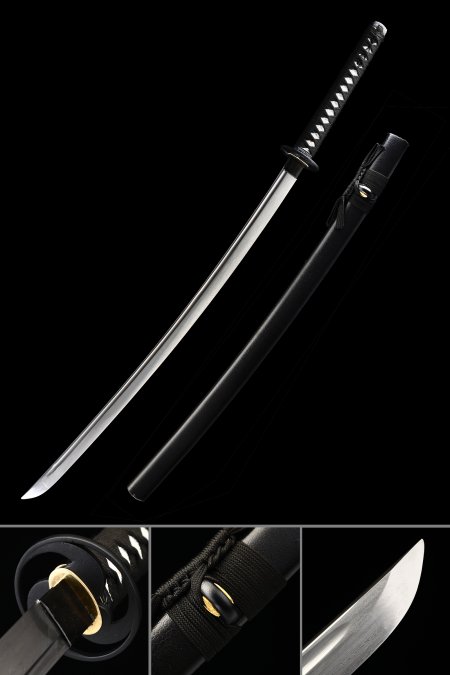
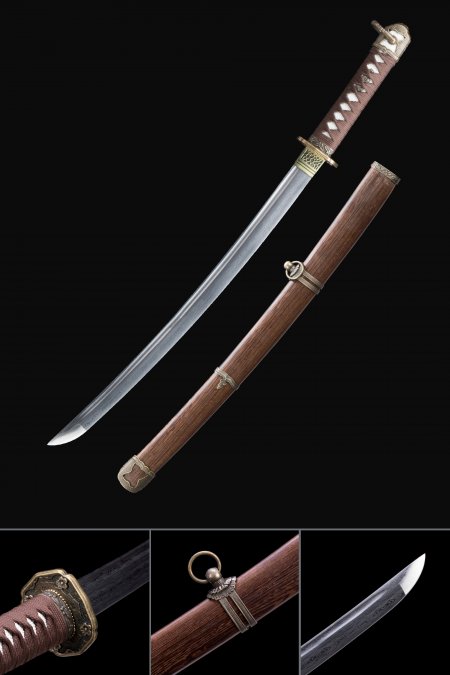
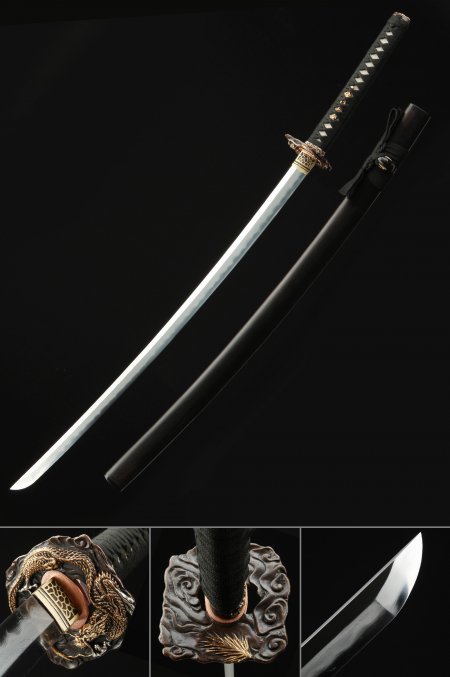
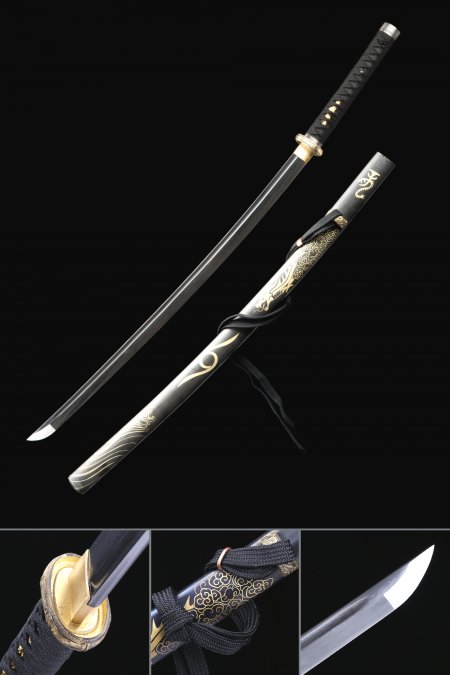
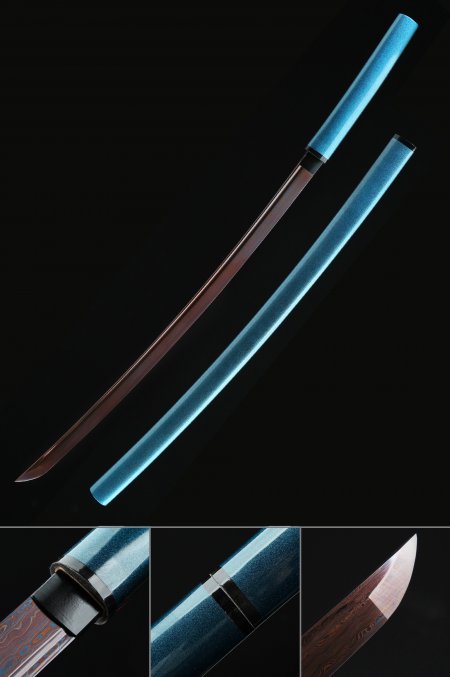
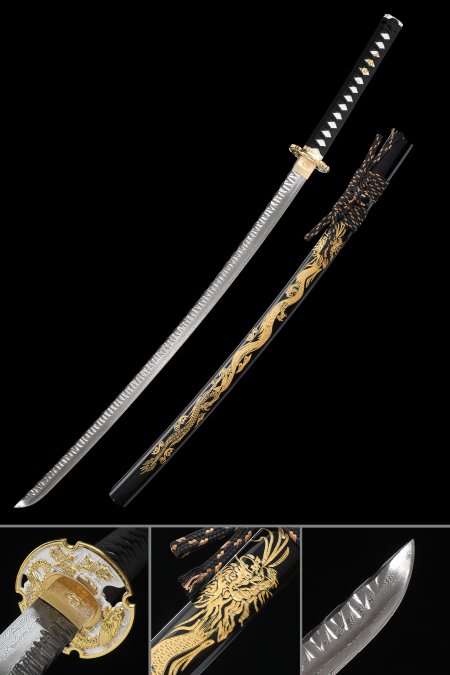
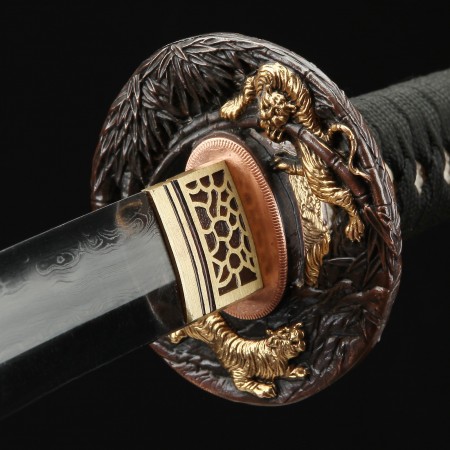
Damascus steel in a tachi context refers to pattern-welded construction: two or more steel alloys are forge-folded together repeatedly, then acid-etched to reveal a flowing, layered surface pattern unique to each blade. The visual result is dramatic and no two pieces are identical. In contrast, 1095 and T10 high-carbon steels are mono-steel compositions. Both can be clay-tempered to develop a genuine hamon — the visible temper line that runs along the blade's edge — which is a different kind of visual distinction rooted in the heat-treatment process rather than folding. T10 adds a small amount of tungsten to the carbon-steel formula, which contributes to edge retention. For a collector, Damascus offers unmatched surface artistry; clay-tempered 1095 or T10 offers a more authentic connection to classical Japanese forging aesthetics, including the hamon that serious collectors look for.