What does clay tempering do, and is it visible on the finished blade?
Updated Mar 2026
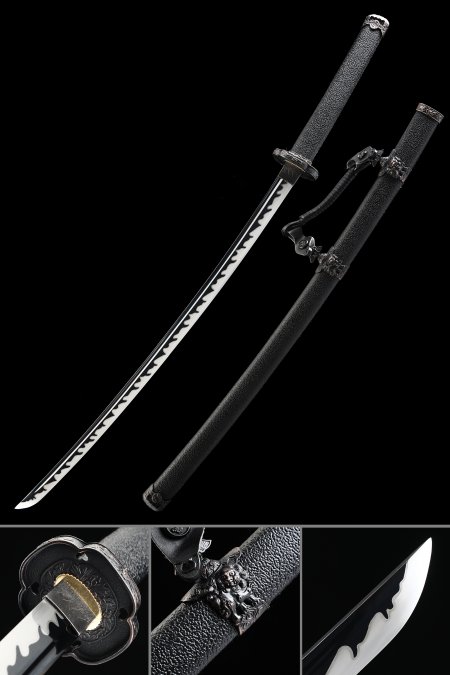
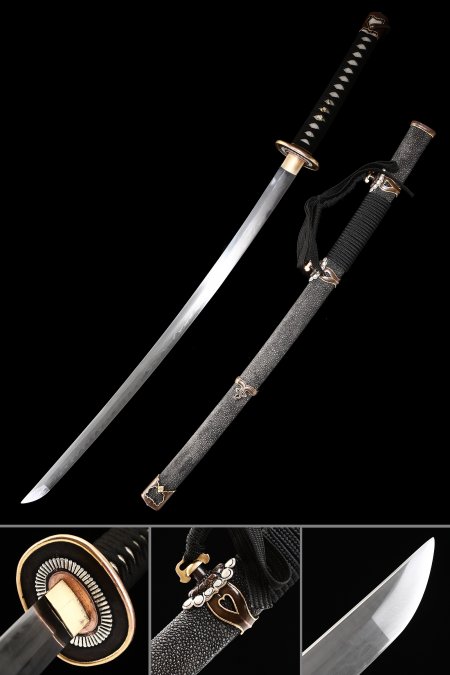
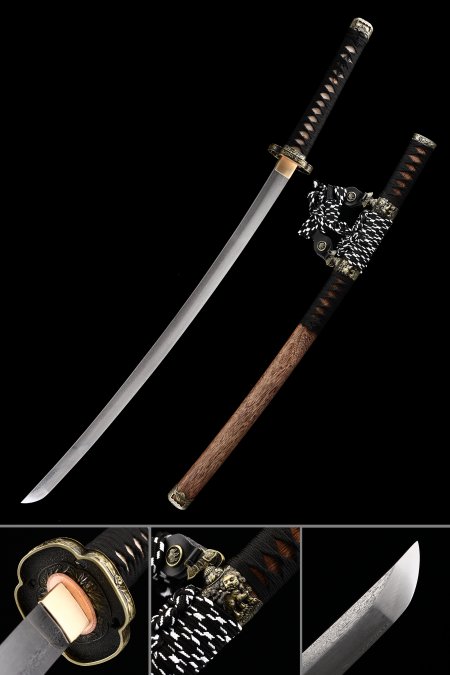
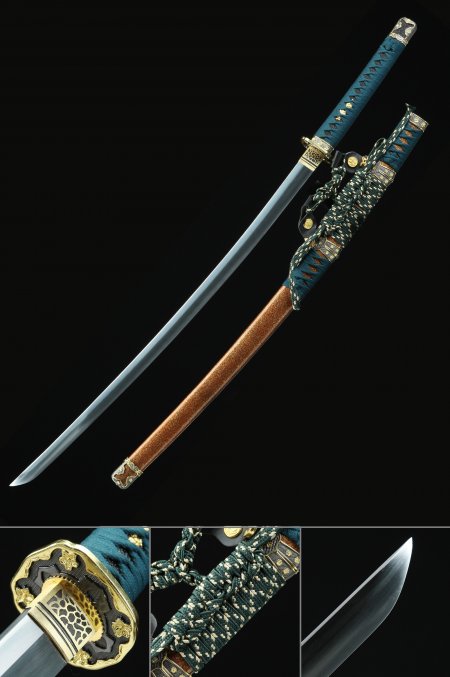
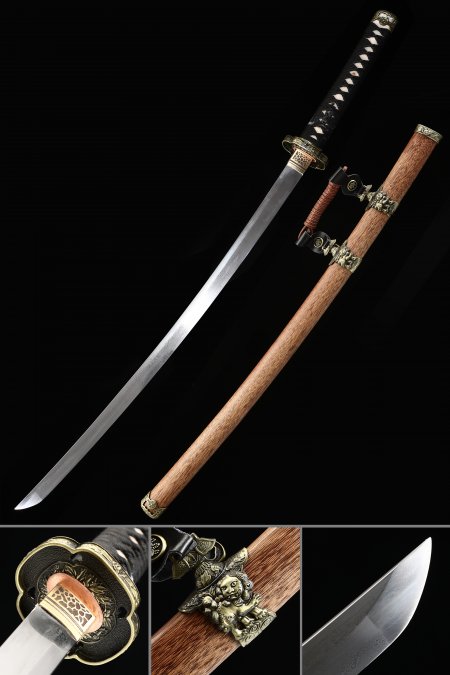
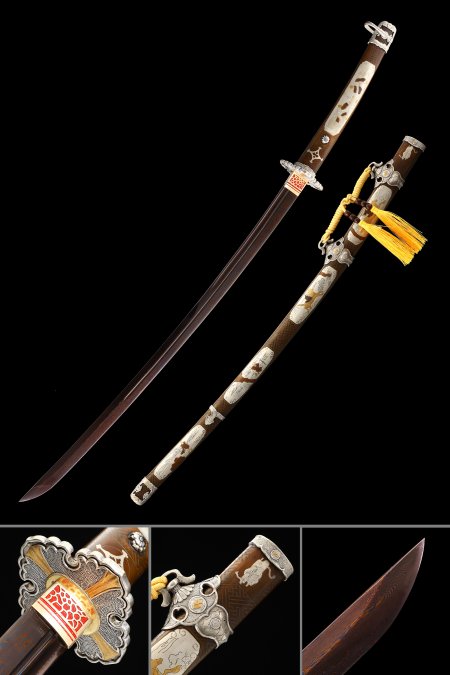
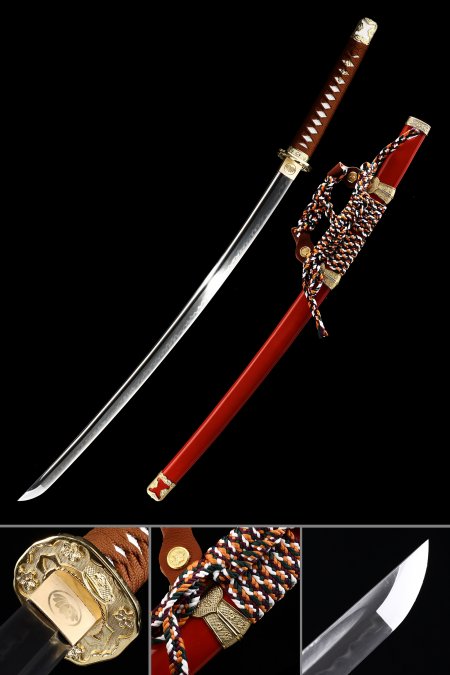
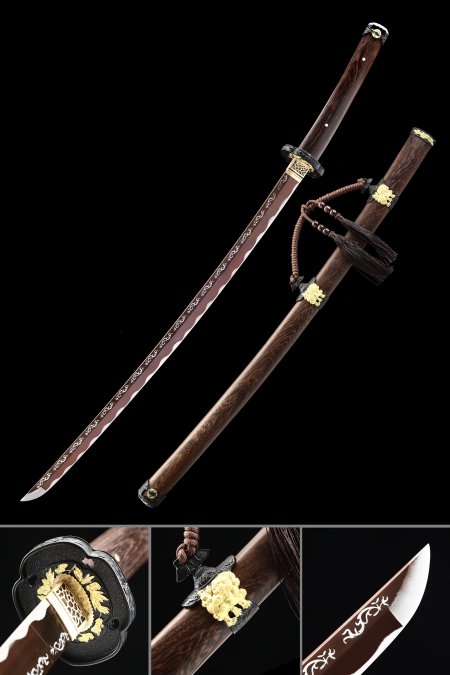
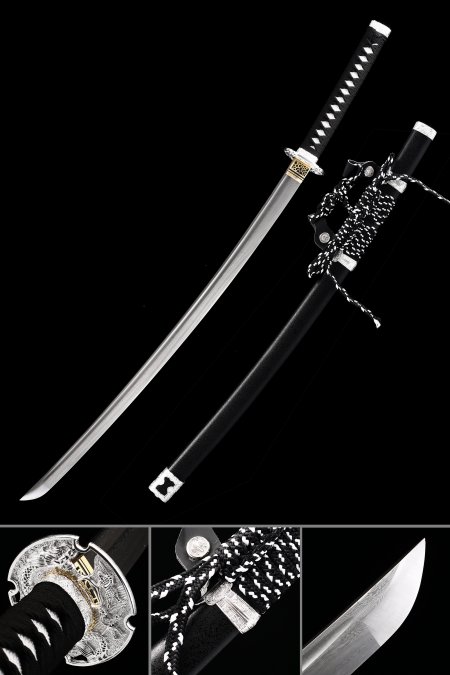
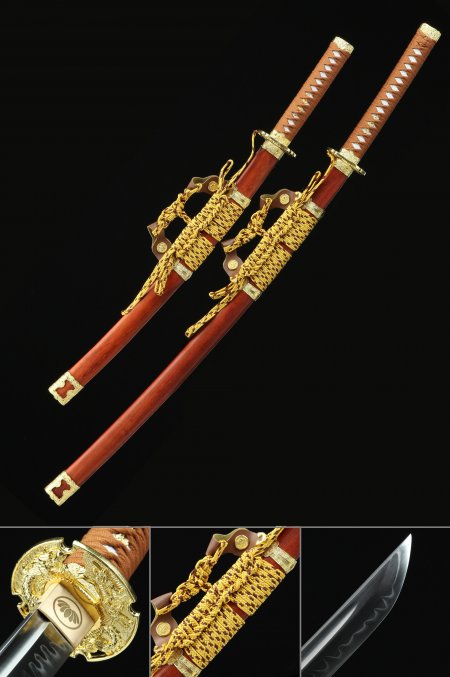
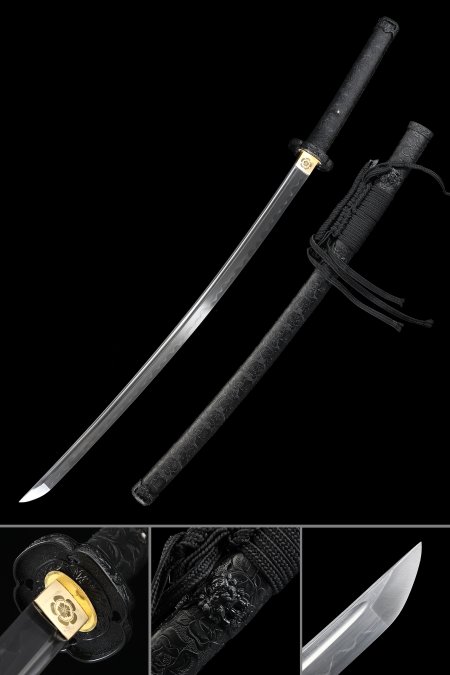
Clay tempering, known in Japanese as tsuchioki, involves coating the blade's spine with a thick layer of refractory clay before the final quench, while leaving the edge area with a thinner or no clay layer. When the heated blade is plunged into water, the exposed edge cools rapidly and hardens to a higher degree than the clay-insulated spine, which cools more slowly and retains toughness. The boundary between these two zones solidifies into the hamon — a visible temper line that runs along the blade's length in a pattern unique to the clay application. On a well-polished tachi blade, the hamon appears as a misty, undulating line in the steel, often showing fine crystalline activity called nie or nioi within its structure. It is one of the few blade features that is simultaneously functional in origin and decorative in appearance.