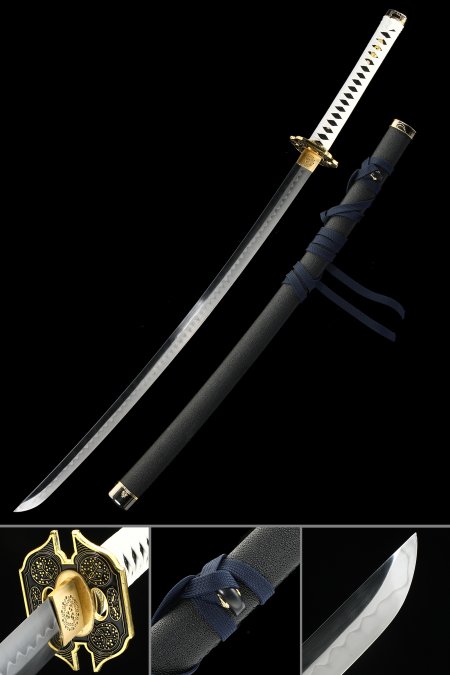
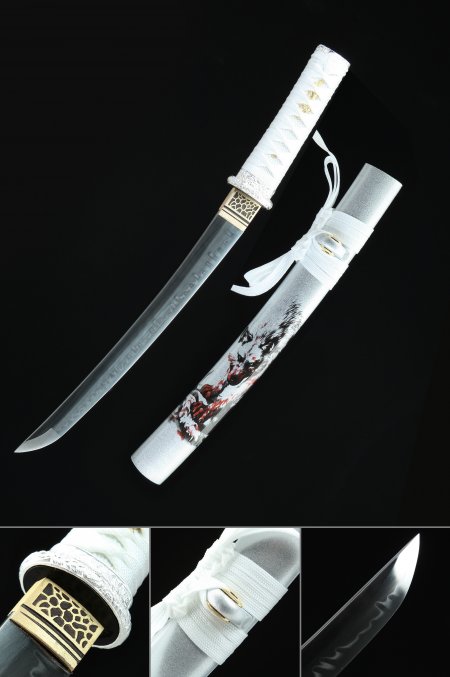
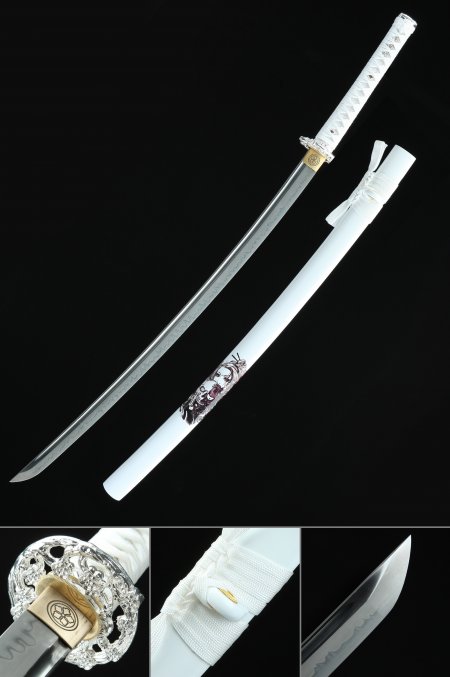
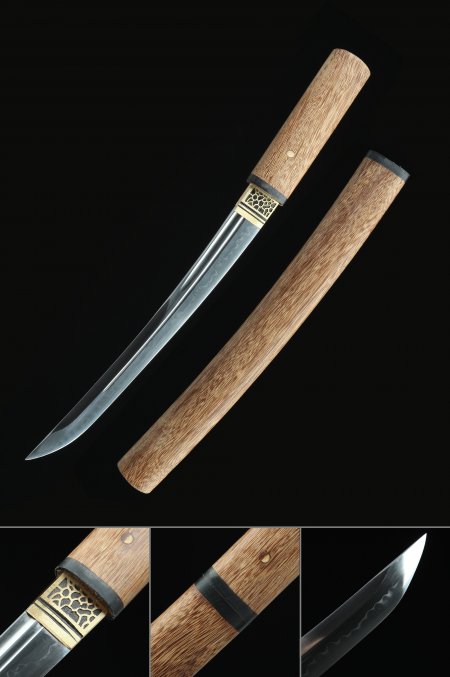
How does T10 steel differ from 1060 carbon steel in a katana?
Updated Mar 2026
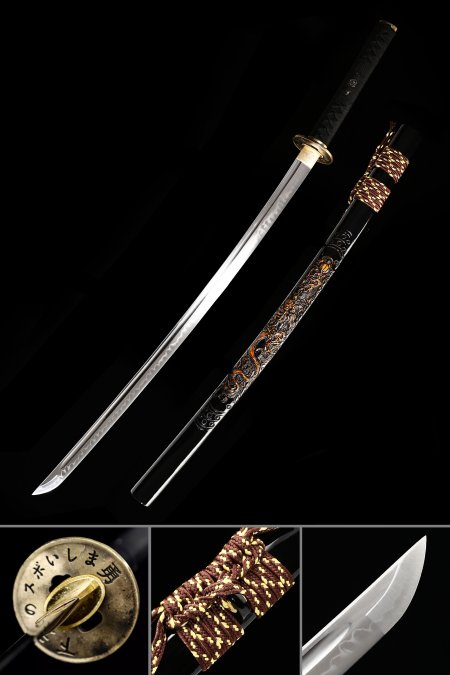
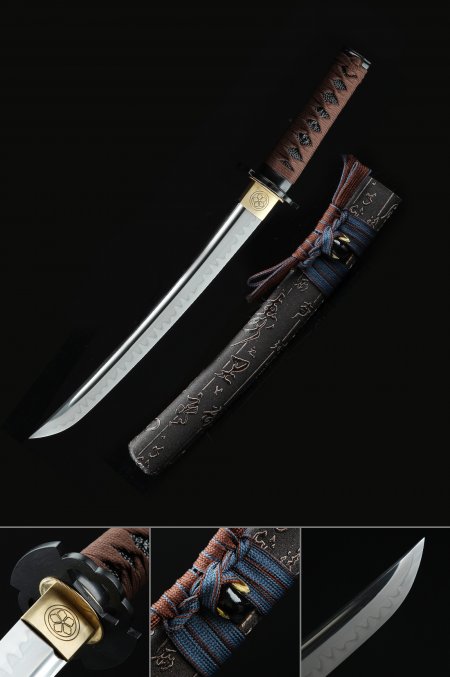
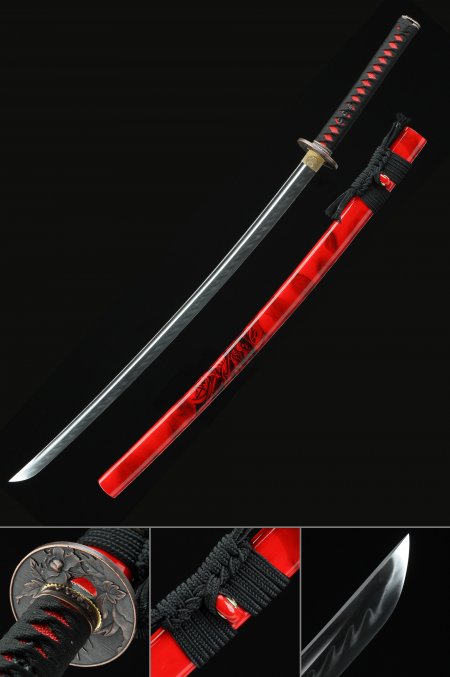
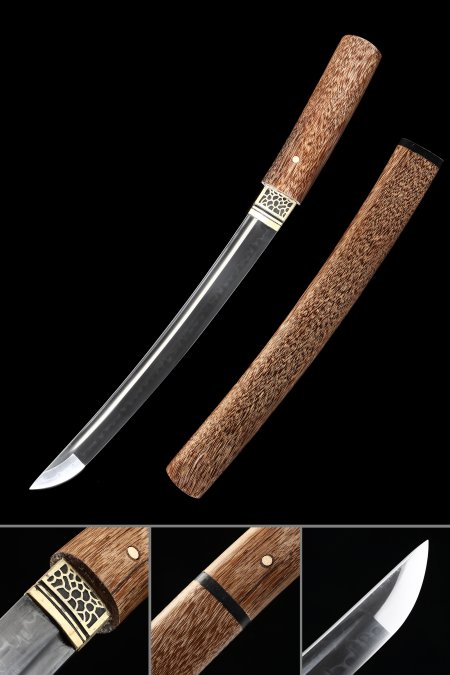
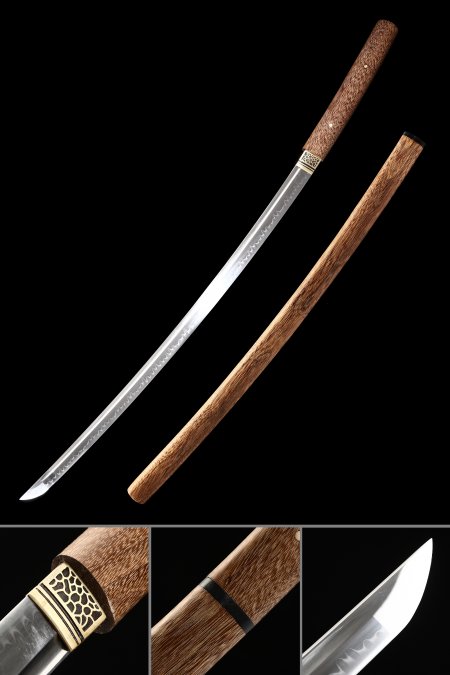
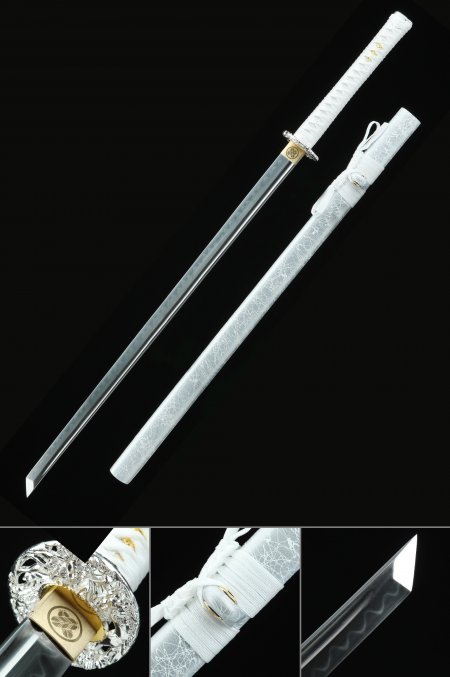
Both T10 and 1060 are high-carbon steels commonly used in hand-forged Japanese-style swords, but they differ in composition and behavior. T10 contains roughly 1.0% carbon along with a small amount of silicon, which contributes to edge retention and fine grain structure - it's especially well-suited to clay tempering, a process where the spine is insulated and the edge is exposed to rapid quenching. This differential hardening produces a visible hamon, the temper line that collectors prize as evidence of authentic craft. 1060 steel has a slightly lower carbon content around 0.6%, making it a little more flexible across the full blade. It also accepts clay tempering and produces a hamon, but its grain behavior differs subtly. For display collectors, T10 often shows a more dramatic and complex hamon pattern, while 1060 provides a reliably solid construction with a clean finish.