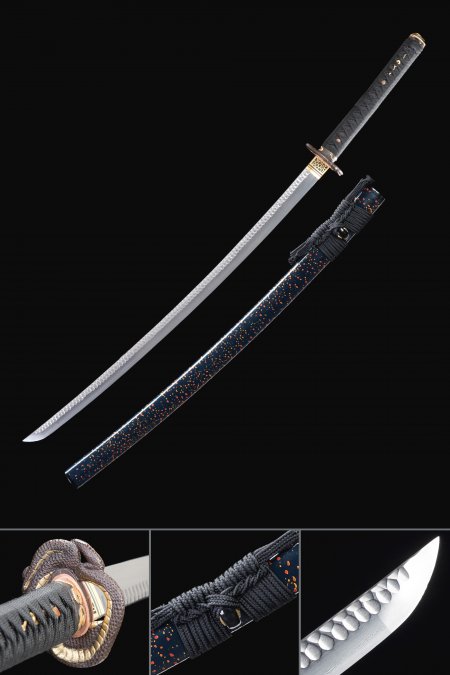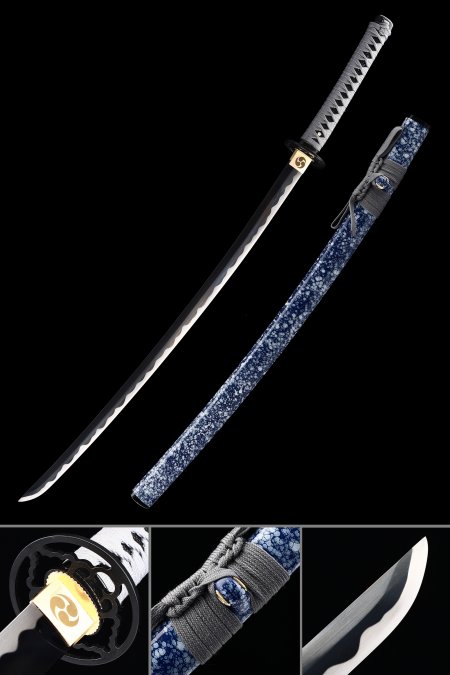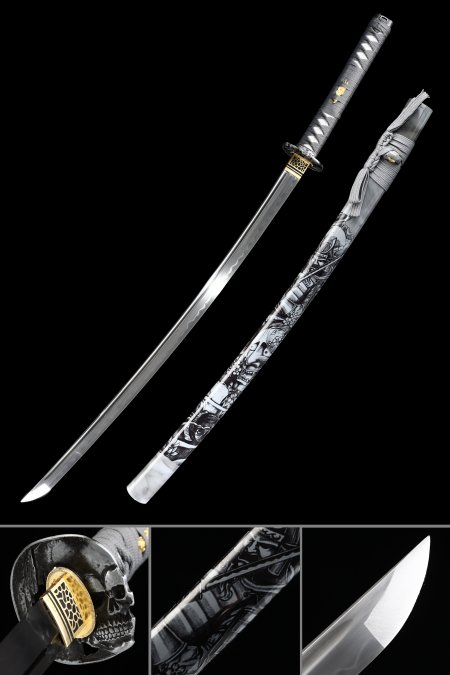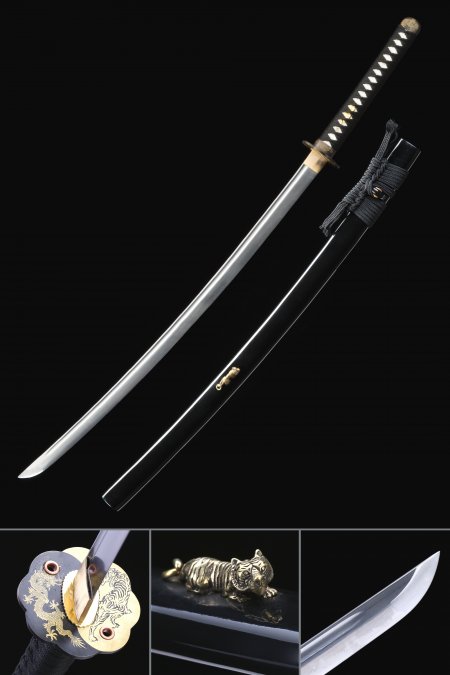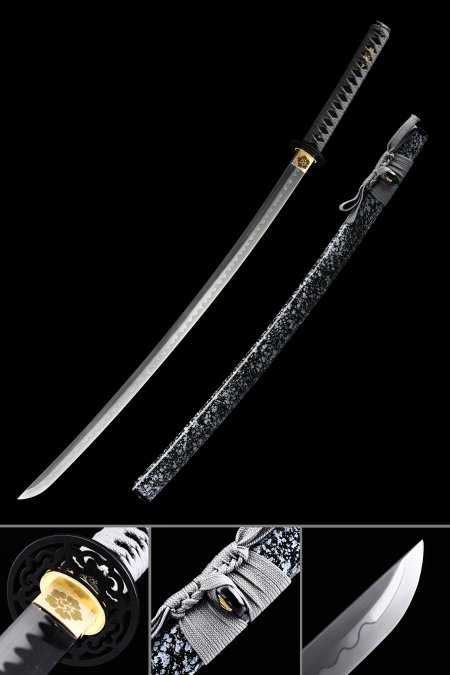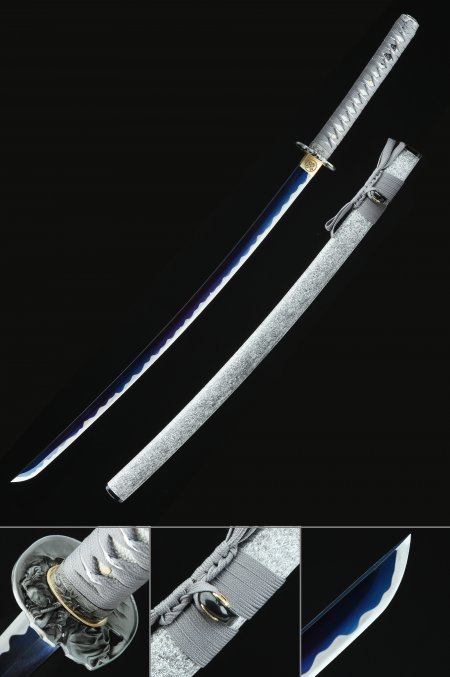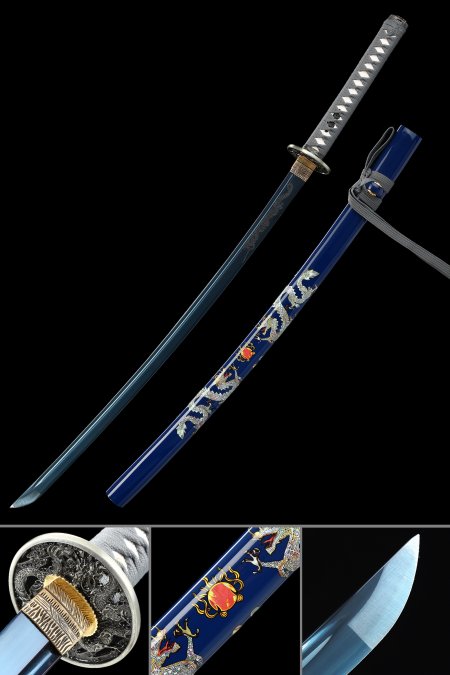
Gray Sageo Katana

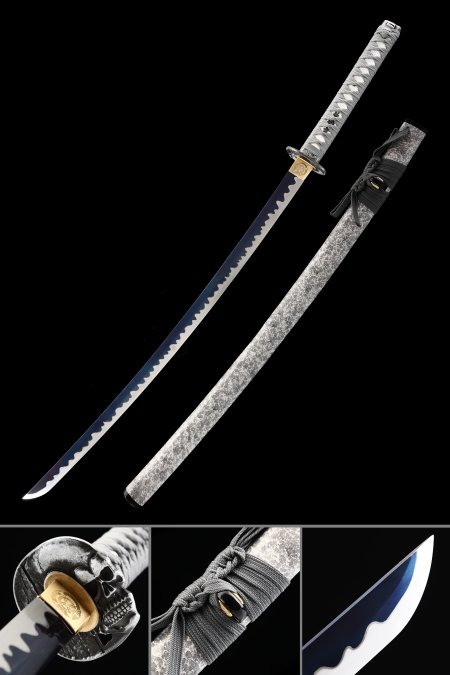
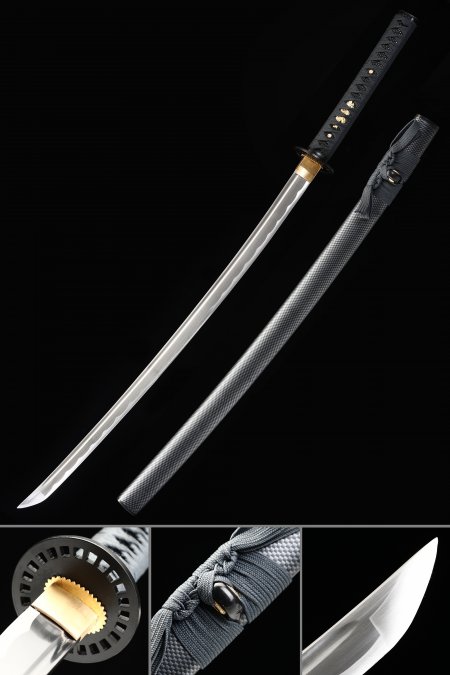
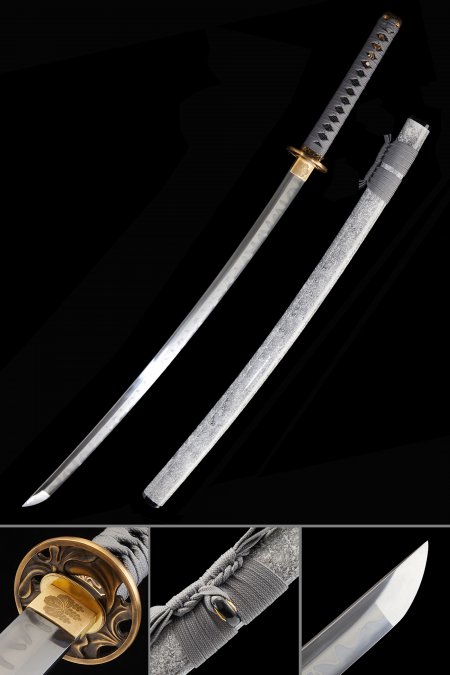
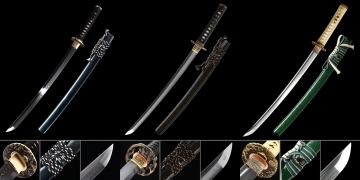
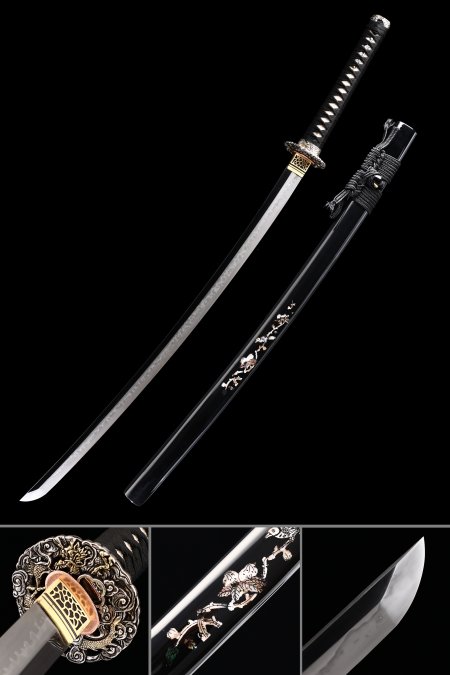
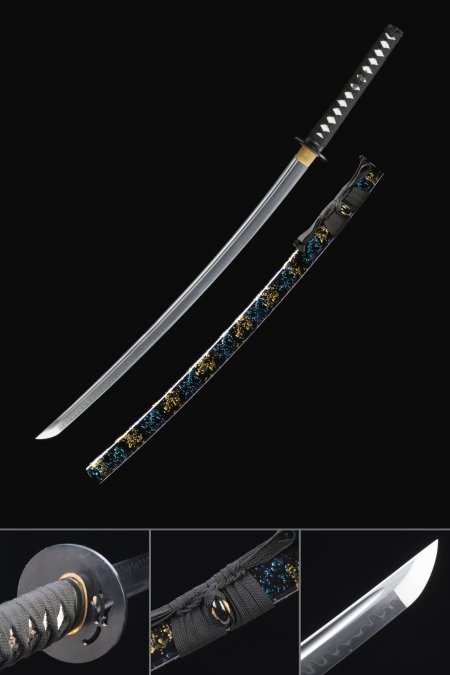
Gray sageo cord transforms any katana into a refined statement piece - its understated tone harmonizing effortlessly with silver fittings, dark lacquered saya, and intricate tsuba designs. Each sword in this collection is hand-forged from quality steel such as T10, 1060 carbon, Damascus, or manganese steel, wrapped with precision, and assembled with ornamental hardware worthy of serious display. Explore our full range of gray sageo katana and enjoy free shipping on your order, backed by our straightforward return policy.
Showing 12 Products

Related Collections

Tanto Blade79 items


382 Reviews

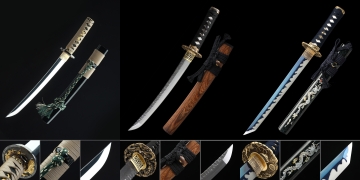
Dragon Tsuba Wakizashi24 items


39 Reviews

Dragon Tsuba Tanto26 items


34 Reviews

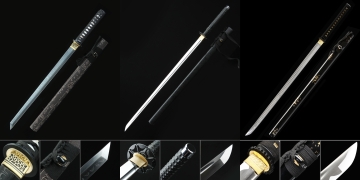
Geometric Tsuba Ninjato29 items


104 Reviews

Frequently Asked Questions

What does sageo cord color actually affect on a katana?
Sageo is the braided cord threaded through the kurikata - the knob on the saya - and it plays both a functional and aesthetic role in traditional Japanese sword presentation. Historically, it secured the scabbard to the wearer's obi. In a display or collectible context today, the sageo's color directly influences the visual balance of the entire sword. Gray sageo is especially versatile because it bridges warm and cool tones: it reads as neutral against black lacquer saya, gains a silvery quality against marble or metallic finishes, and grounds bolder elements like gold tsuba hardware or blue-toned blades without creating visual tension. Collectors who build themed displays often choose gray sageo as a unifying element across multiple pieces precisely because it doesn't compete with other design details.
How does T10 steel differ from 1060 carbon steel in a katana?
Both T10 and 1060 are high-carbon steels commonly used in hand-forged Japanese-style swords, but they differ in composition and behavior. T10 contains roughly 1.0% carbon along with a small amount of silicon, which contributes to edge retention and fine grain structure - it's especially well-suited to clay tempering, a process where the spine is insulated and the edge is exposed to rapid quenching. This differential hardening produces a visible hamon, the temper line that collectors prize as evidence of authentic craft. 1060 steel has a slightly lower carbon content around 0.6%, making it a little more flexible across the full blade. It also accepts clay tempering and produces a hamon, but its grain behavior differs subtly. For display collectors, T10 often shows a more dramatic and complex hamon pattern, while 1060 provides a reliably solid construction with a clean finish.
What's the best way to store a katana with a lacquered saya long-term?
Lacquered saya require slightly different care than plain wood scabbards. The lacquer surface can craze or dull if exposed to sustained humidity fluctuations or direct sunlight. Ideally, store your katana horizontally on a sword stand in a stable indoor environment - relative humidity between 45% and 55% is ideal. Avoid placing the saya against materials that could scratch the lacquer, such as bare metal brackets. The blade inside should be lightly coated with a thin layer of camellia or mineral oil before extended storage; wipe with a soft cloth and reapply every few months. For saya with painted or gilded decoration like gold-silver gilding or splatter lacquer finishes, avoid handling the scabbard with bare hands frequently, as skin oils can gradually affect the surface finish over years of display.
Is Damascus steel in a katana purely decorative or does it perform differently?
Folded Damascus steel in a katana is genuinely structural, not merely cosmetic - but its primary appeal in a collectible context is visual. The pattern visible on the blade surface results from repeated forge-folding of steel billets, which orients the grain in alternating layers. This process was historically associated with refining uneven iron ore into more consistent material. In modern hand-forged katana, Damascus is typically produced by folding two or more steel types together, creating the characteristic wavy or flowing surface pattern that becomes visible after acid etching. The layered structure can contribute to a degree of flexibility and grain refinement, though modern monosteel construction with controlled alloys often achieves comparable or superior consistency. For display collectors, Damascus remains one of the most visually arresting blade surfaces available, with no two patterns being identical.
Can a gray sageo katana work as a display gift for a non-collector?
Absolutely - gray sageo katana actually make excellent gifts for recipients who don't have an existing collection, precisely because the neutral cord color and refined aesthetic require no prior knowledge to appreciate visually. Pieces with distinctive tsuba designs - like tiger-and-dragon copper relief, gold peony carvings, or skull motifs - give the sword an immediate focal point that reads as art rather than specialized equipment. A wall-mount display stand or a traditional two-tier sword stand can accompany the gift to complete the presentation. For a first-time recipient, a katana with an ornate saya finish such as marble lacquer or gold-silver gilding tends to generate stronger visual impact on display. If you want to build toward a small themed arrangement, complementary short-blade pieces like a tanto in matching gray tones pair naturally alongside a full-length katana.

Customer Reviews

Angelo Long Maryland, United States

The sword looks exactly as advertised on the shop, and the blade even came oiled. I can tell that the saya really was handcrafted to fit the blade because when I sheathe the sword, there’s literally no room for error once I get to the hilt. Very good product and I’m more than happy with my purchase, I plan on buying more swords from you guys for sure!
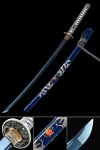
1065 Carbon Steel Blue Blade Katana with Dragon-Themed Saya in Deep Blue Lacquer and Grey Cord Wrap 1065 Carbon Steel Blue Blade Katana with Dragon-Themed Saya in Deep Blue Lacquer and Grey Cord Wrap
Cart 0 Items

Your cart is empty