Gray Ninjato

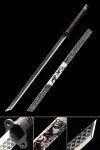
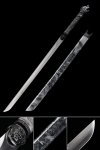
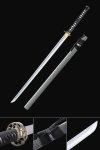
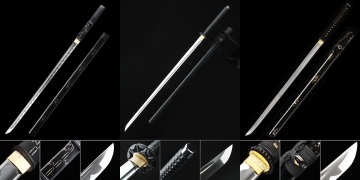
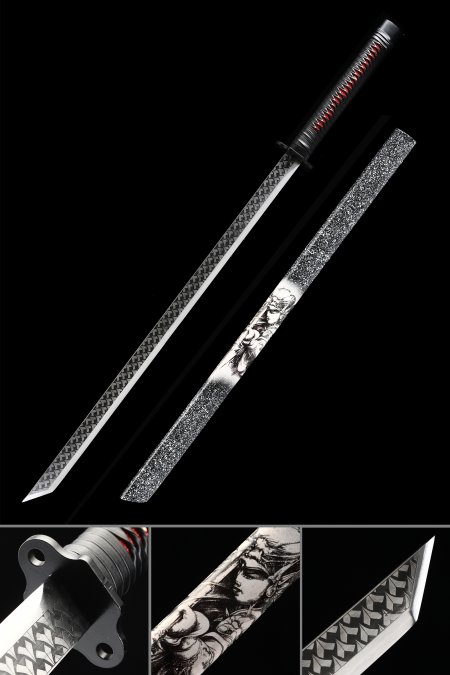
Discover the Gray Ninjato collection — straight-bladed Japanese swords finished in a refined gray aesthetic that balances understated elegance with traditional craftsmanship. Each piece features a full-tang build, carefully shaped fittings, and a distinctive gray scabbard suited for display and appreciation. Free shipping and free returns on every order.
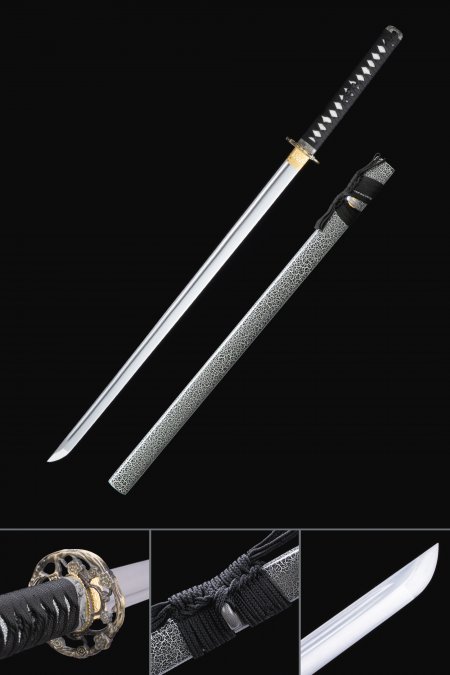
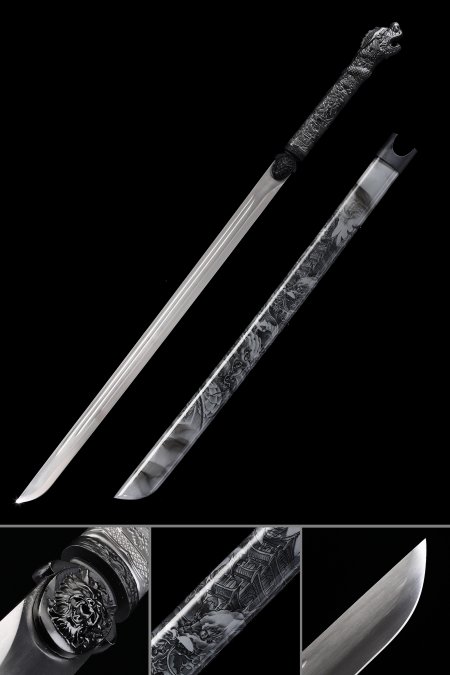
Showing 3 Products

Related Collections

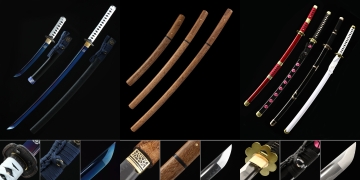
Dragon Katana123 items


853 Reviews

Straight Sword22 items


11 Reviews

Katana Set6 items


209 Reviews

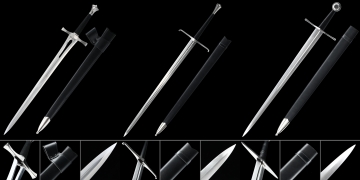
Knight Sword16 items


8 Reviews

Frequently Asked Questions

What makes a ninjato different from a katana?
The most visible difference is blade geometry. A katana features a pronounced curve along its spine, a design that evolved for mounted and drawing techniques. A ninjato, by contrast, carries a straight blade with little to no curvature, giving it a distinctly linear profile. Ninjato blades also tend to be slightly shorter, typically falling between 50 and 60 centimeters, compared to the katana's standard 60 to 73 centimeters. The tsuba on a ninjato is frequently square rather than round, which contributes to its unique aesthetic. These structural differences make the ninjato a visually striking complement to curved swords in any display arrangement.
Why is high manganese steel used for these ninjato?
High manganese steel, often in the 1065 range, offers an effective balance of hardness and resilience that suits the straight-blade format well. Manganese as an alloying element refines the steel's grain structure, which improves edge retention and gives the blade a smooth, even surface after polishing. Compared to softer stainless steels, manganese steel responds well to traditional forging and heat-treatment methods, allowing smiths to achieve a genuine hamon temper line. For collectors, this means each piece carries authentic metallurgical characteristics rather than cosmetic imitations, adding both visual interest and material credibility to the sword.
How should I maintain the gray scabbard finish?
The gray-finished saya benefits from gentle, regular care. Wipe the exterior with a soft microfiber cloth after handling to remove fingerprint oils, which can leave marks over time. Avoid silicone-based polishes, as they may dull the matte gray tones. For the blade itself, apply a thin layer of choji oil with a flannel cloth every two to three weeks, or more frequently in humid climates. Store the ninjato horizontally on a display stand or inside a sword bag when not on show, keeping it away from direct sunlight to prevent uneven fading of the saya and cord wrapping.
Can I display a gray ninjato alongside katana and tanto?
Absolutely, and the gray palette is particularly well suited for multi-piece displays. A coordinated set — such as a gray ninjato paired with a Gray Cord Handle Katana and a Gray Rayskin Saya Tanto — creates a visually cohesive arrangement known informally as a daisho-plus grouping. Traditional tiered sword stands accommodate three pieces easily, with the longest blade on top and the tanto at the bottom. The tonal consistency across gray-finished pieces unifies the display even though each sword type has a distinctly different blade length and geometry.
Is the dragon-head handle purely decorative?
The dragon-head pommel serves a dual purpose. Aesthetically, it introduces a sculptural focal point that references traditional Japanese and broader East Asian iconography, where dragons symbolize wisdom and protective power. Structurally, the cast metal or alloy fitting adds weight to the pommel end of the handle, which shifts the balance point slightly rearward. For a display collector, this means the sword sits more securely in hand during inspection and feels substantial when lifted from a stand. Each dragon head is individually cast and finished, so minor variations in texture and patina give every piece a one-of-a-kind character.

Customer Reviews

Cart 0 Items

Your cart is empty