How do I verify that a Japanese katana is genuinely hand-forged?
Updated Feb 2026
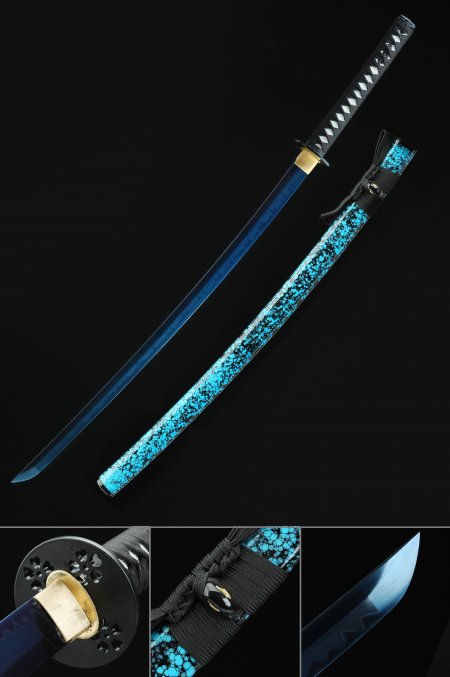
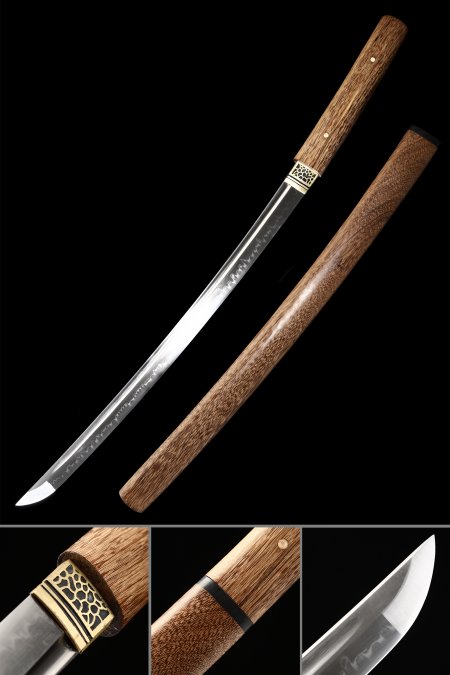
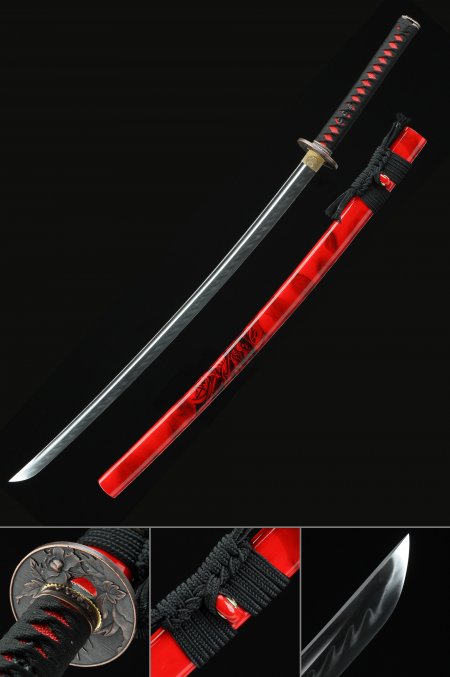
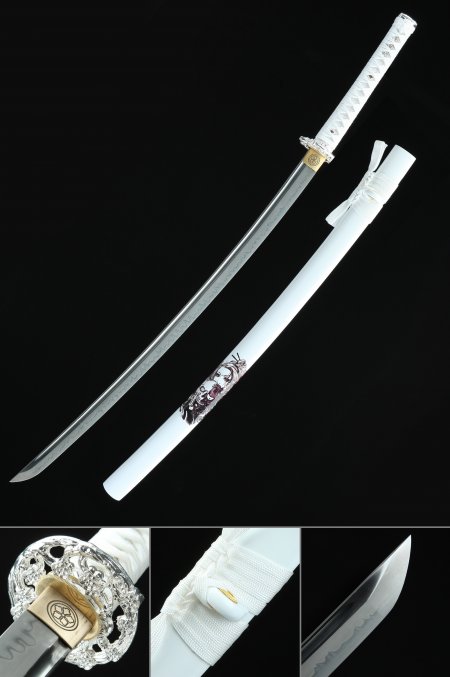
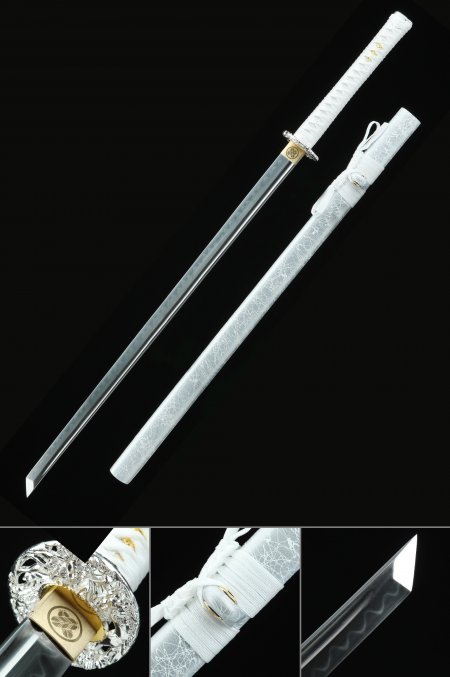
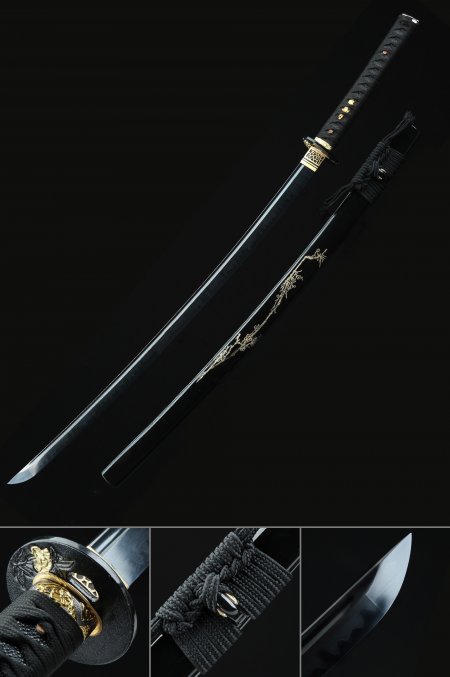
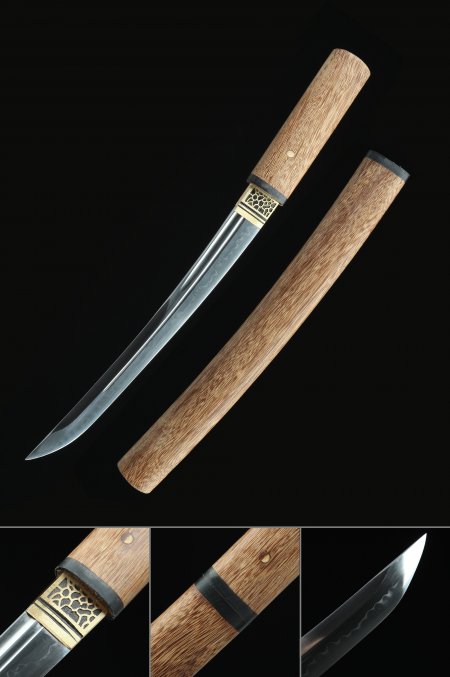
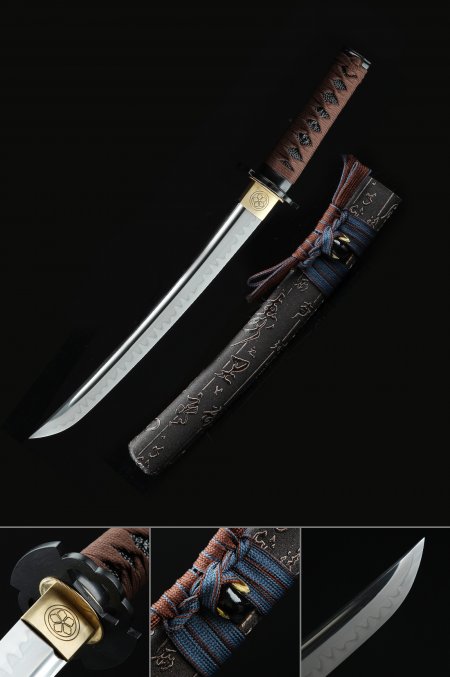
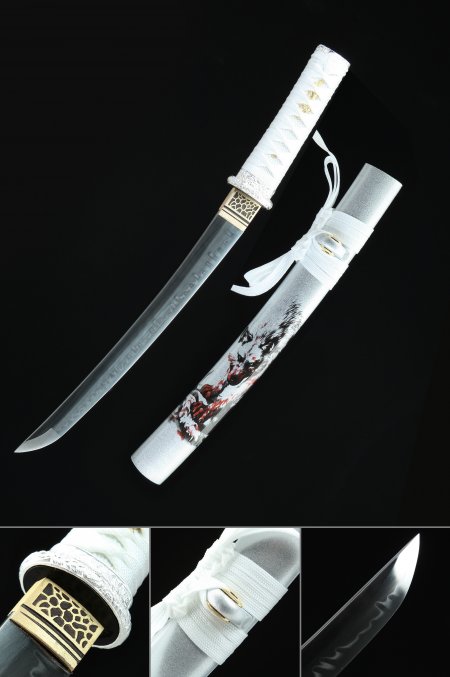
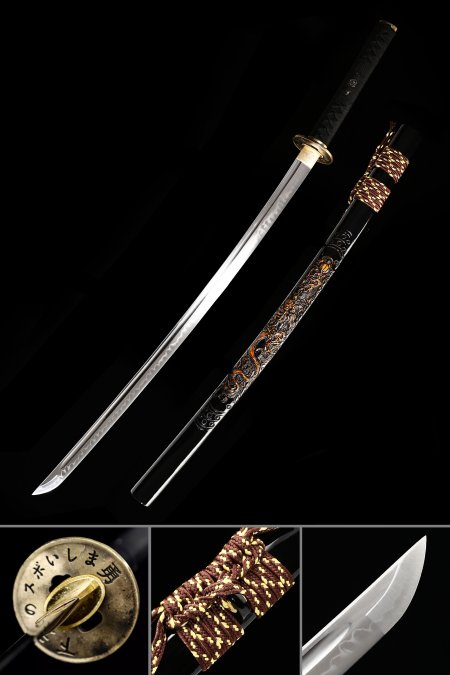
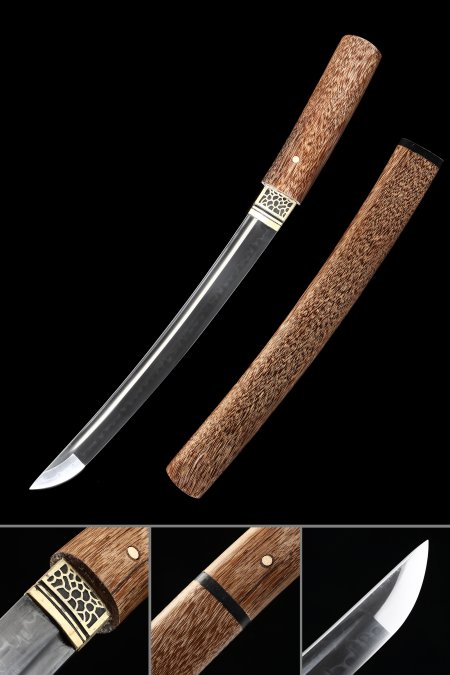
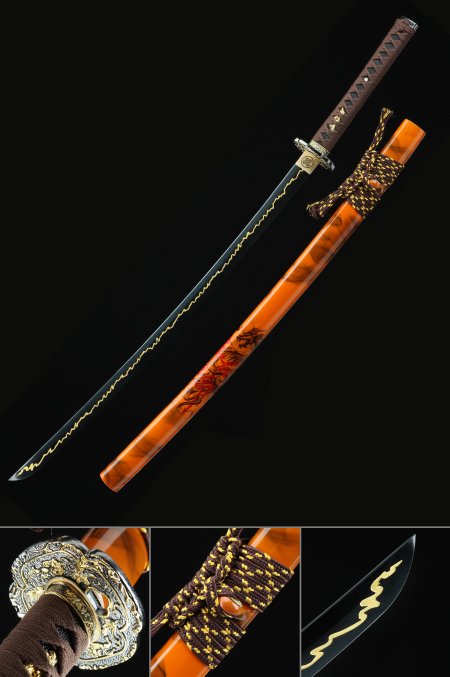
Verifying genuine hand-forged construction in a Japanese katana involves examining several specific characteristics. The hamon on T10 clay-tempered pieces is the most definitive single indicator - genuine clay-tempered hamon shows three-dimensional depth, nie crystalline activity visible under good light, and organic boundary variation that simulated surface etching cannot replicate. The full-tang construction is verifiable by the presence of mekugi retention pins through the handle. The grain structure visible at the edge cross-section under magnification shows the fine, uniform character of properly forged and heat-treated high-carbon steel versus the coarser structure of non-forged alternatives. The blade geometry including curvature flow, shinogi ridge consistency, and kissaki geometry reveals the individual attention to proportional standards that hand-forging requires. Purchasing from established sources that specify the steel grade and construction method provides the documentation basis for genuineness claims.