How does clay tempering produce a hamon on a tanto?

 Updated Mar 2026

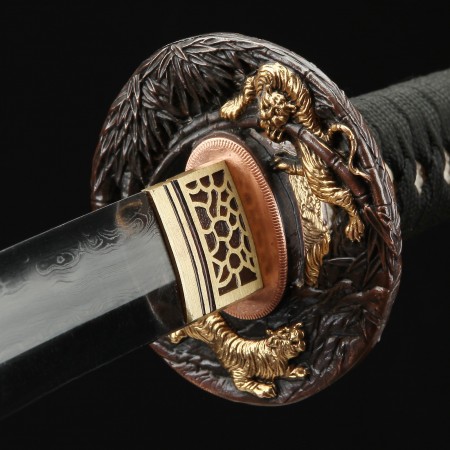
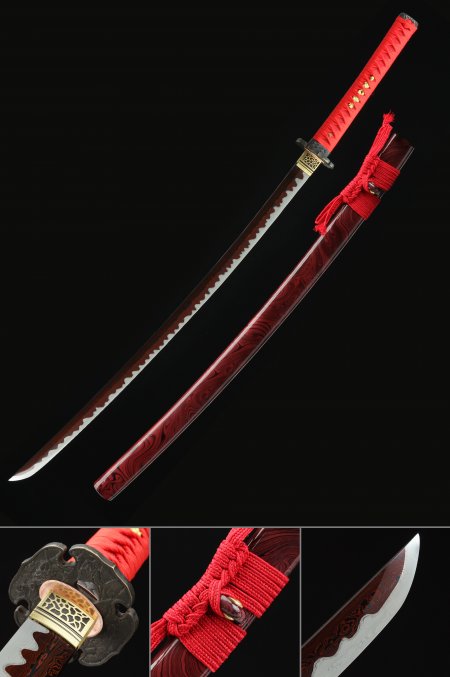
Clay tempering is a heat-treatment technique where the smith applies a refractory clay mixture along the blade's spine before the final quench. The thicker clay layer insulates the spine, allowing it to cool slowly and remain relatively soft and tough. The exposed edge, which cools rapidly in the quench, hardens into a high-carbon martensitic structure. The visible boundary between these two zones is the hamon - an activity line that may appear as billowing clouds (notare), tight waves (gunome), or irregular patterns depending on the clay application. On T10 and Damascus steel tanto, this line is a genuine metallurgical artifact, not a surface treatment, and its natural irregularity is considered a mark of authenticity by serious collectors.
Popular Products

15% OFFww2 wakizashi
169.00 USD
199.00 USD
15% OFFshirasaya katana
209.00 USD
249.00 USD
20% OFFblack katana
159.00 USD
199.00 USD
20% OFFjapanese katana
229.00 USD
289.00 USD
20% OFFdamascus katana
279.00 USD
349.00 USD
15% OFFreal katana
649.00 USD
769.00 USD
15% OFFgolden katana
199.00 USD
229.00 USD
20% OFFdamascus katana
329.00 USD
409.00 USD
20% OFFdamascus katana
309.00 USD
389.00 USD
15% OFFkill bill sword
199.00 USD
229.00 USD
15% OFFshikomizue sword
229.00 USD
269.00 USD
20% OFFtachi sword
249.00 USD
309.00 USD
15% OFFww2 wakizashi
169.00 USD
199.00 USD
15% OFFshirasaya katana
209.00 USD
249.00 USD
20% OFFblack katana
159.00 USD
199.00 USD
20% OFFjapanese katana
229.00 USD
289.00 USD
20% OFFdamascus katana
279.00 USD
349.00 USD
15% OFFreal katana
649.00 USD
769.00 USD
15% OFFgolden katana
199.00 USD
229.00 USD
20% OFFdamascus katana
329.00 USD
409.00 USD
20% OFFdamascus katana
309.00 USD
389.00 USD
15% OFFkill bill sword
199.00 USD
229.00 USD
15% OFFshikomizue sword
229.00 USD
269.00 USD
20% OFFtachi sword
249.00 USD
309.00 USD

Explore Our Collections