Free Shipping
309.00 USD

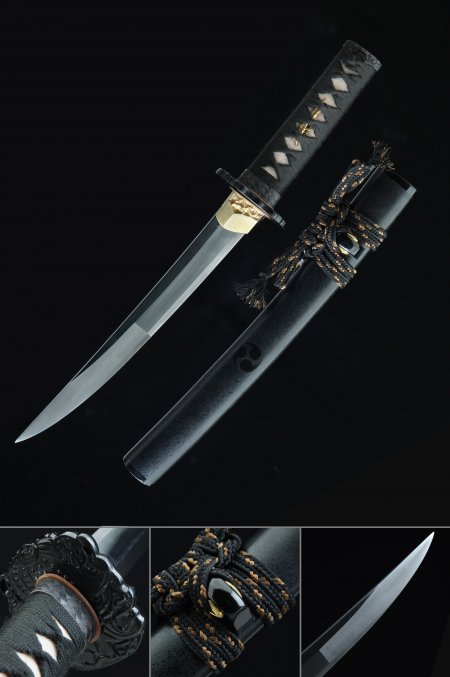
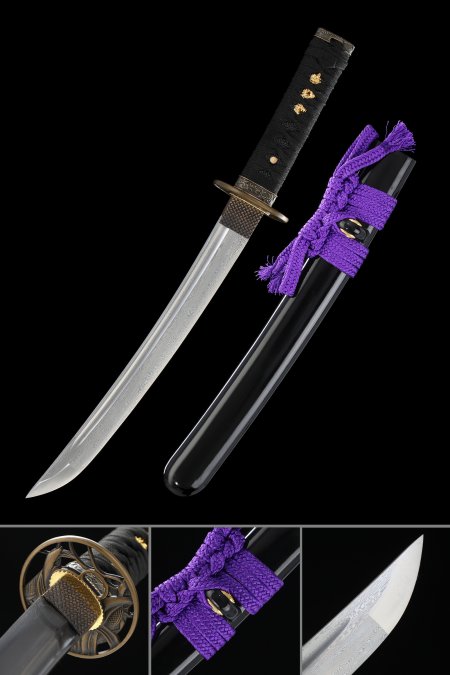
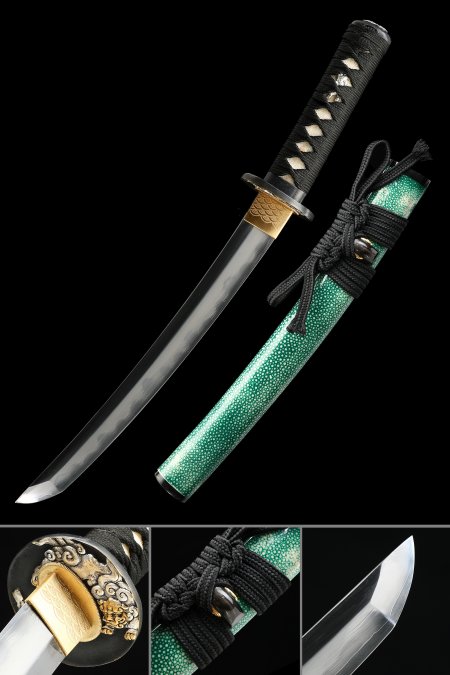
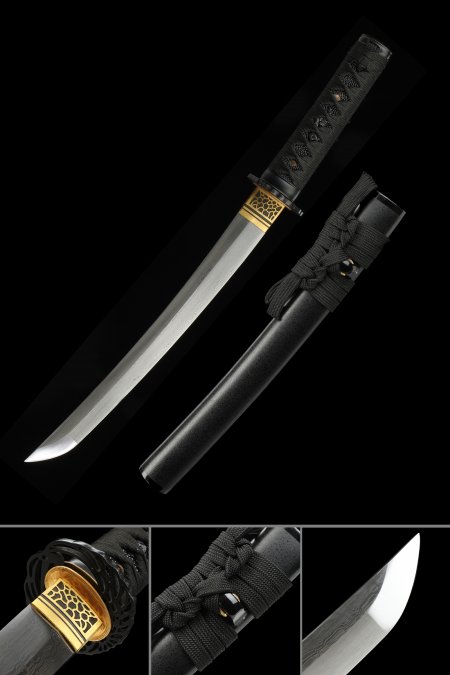
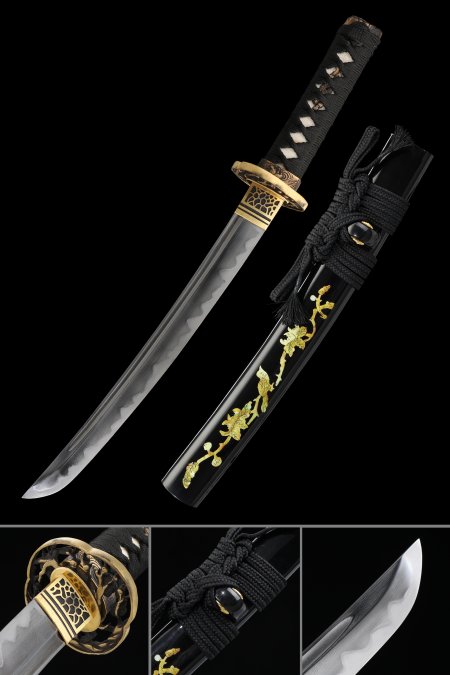
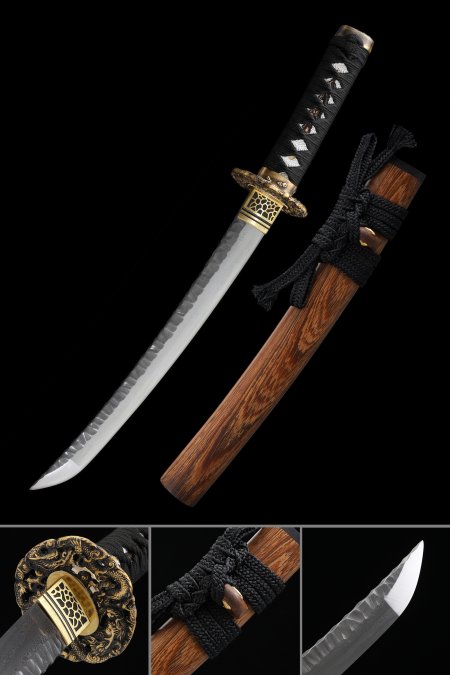
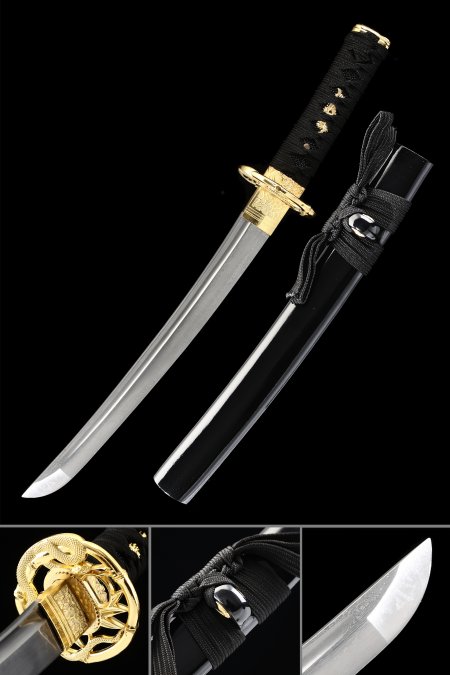
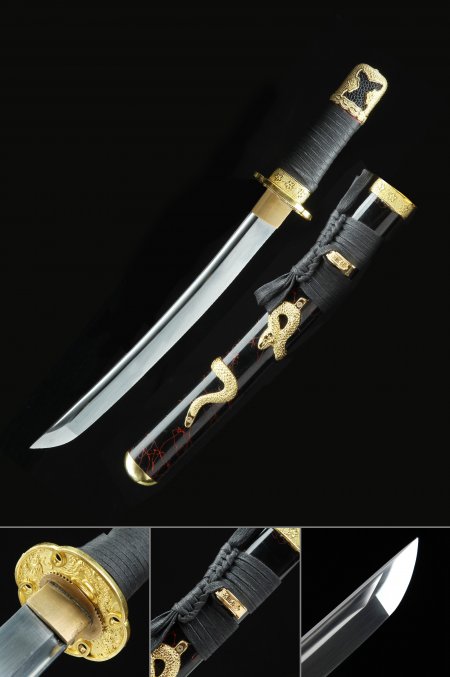
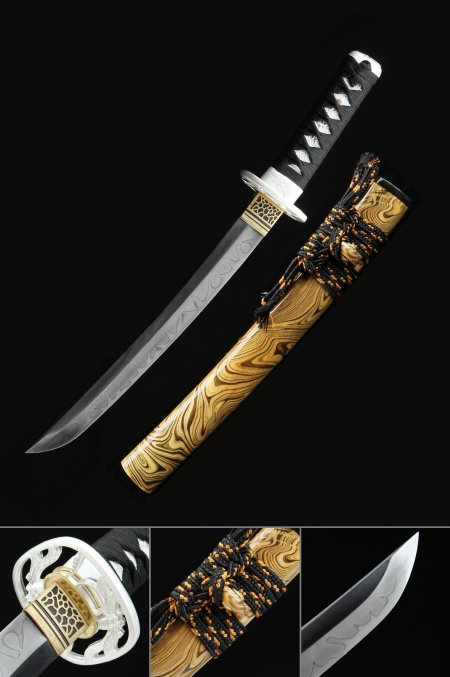
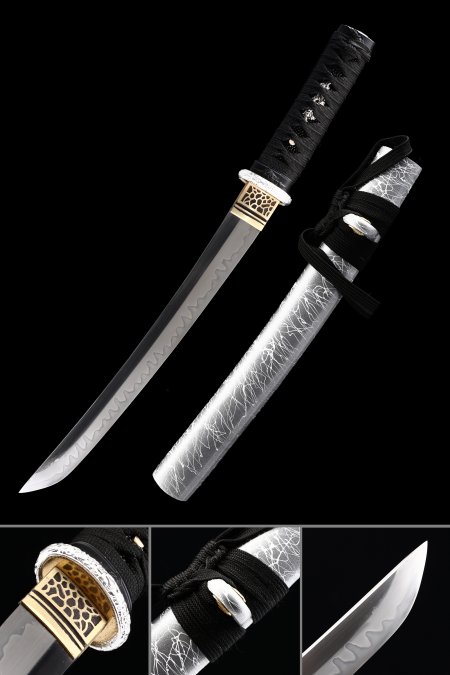
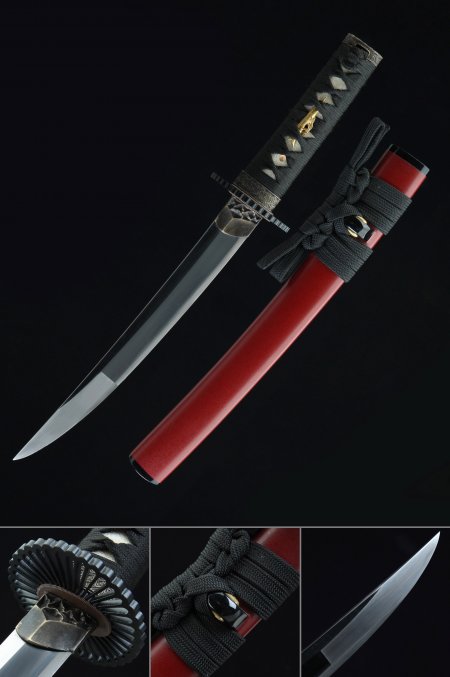
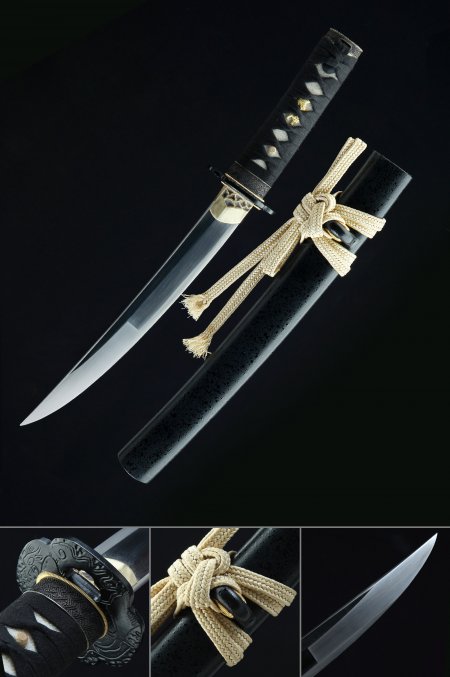
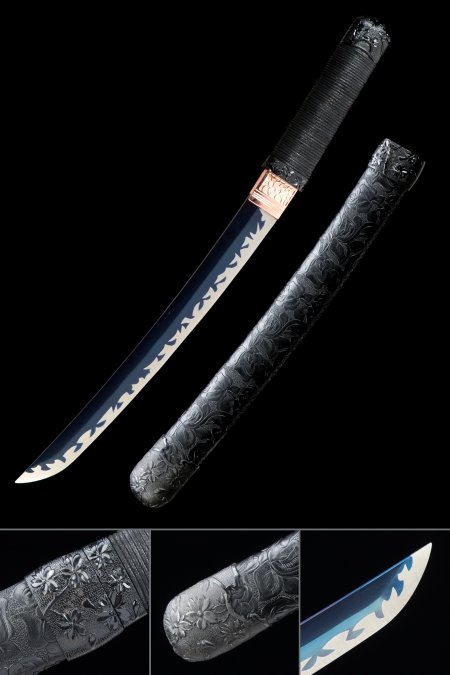
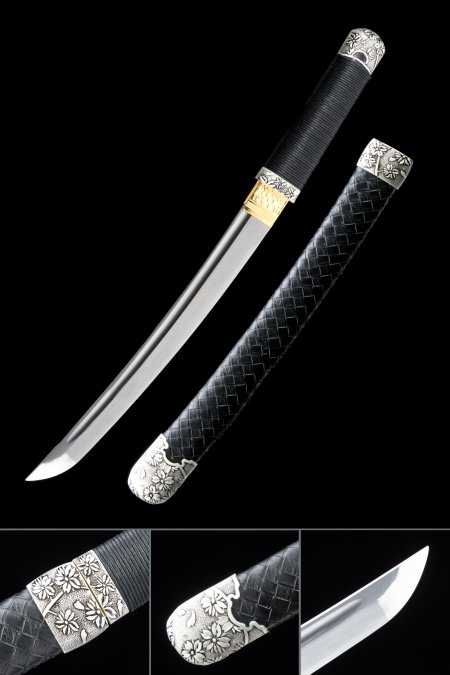
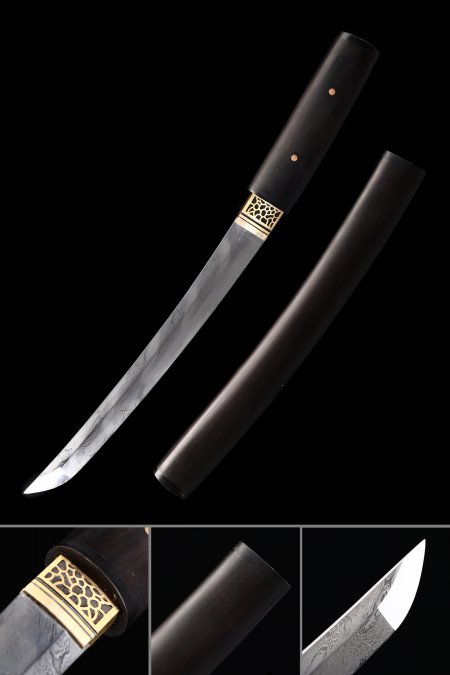
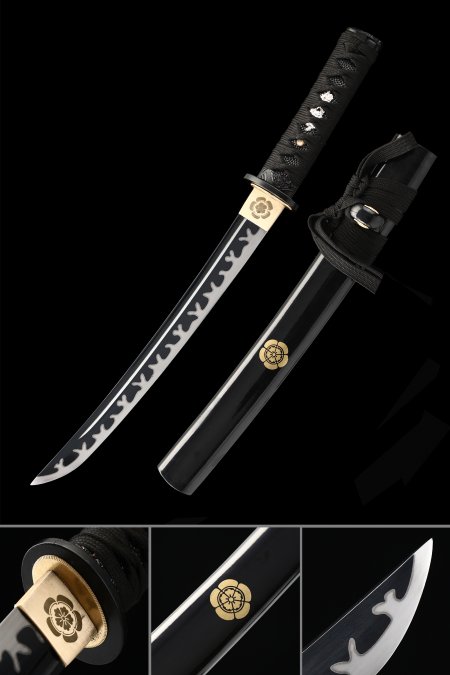
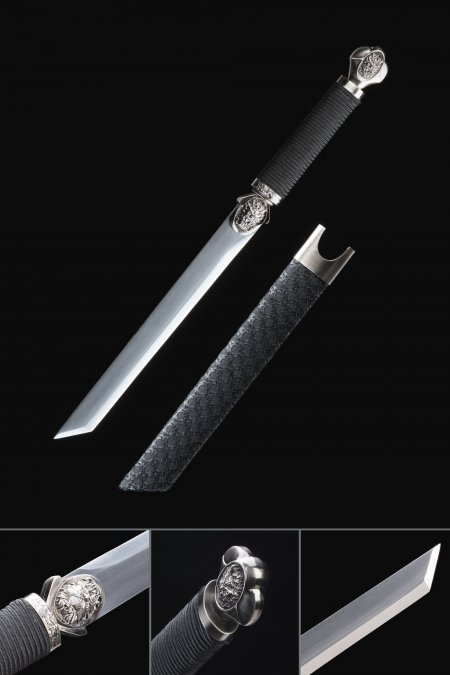
Black handle tanto collectibles crafted from Damascus and T10 steel, featuring clay-tempered blades with authentic hamon, full-tang construction, and hand-fitted koshirae in lacquered saya. Each piece showcases traditional Japanese short-sword aesthetics - from ebony shirasaya to ornate tsuba in gold and copper - built for serious display and collection. Free shipping on all orders, backed by our hassle-free return policy.
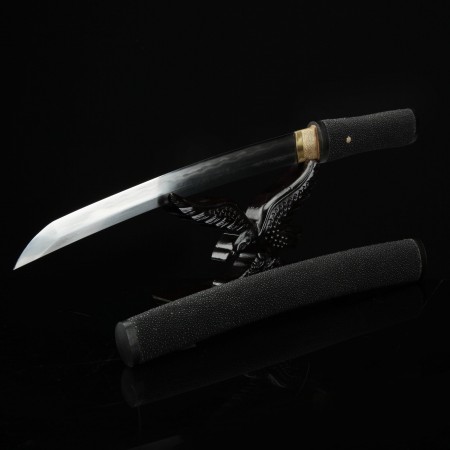
What a beautiful blade.r
I am not an expert sword collector, but the blade is beautiful, sharp and makes me smile every time I handle it.
 |
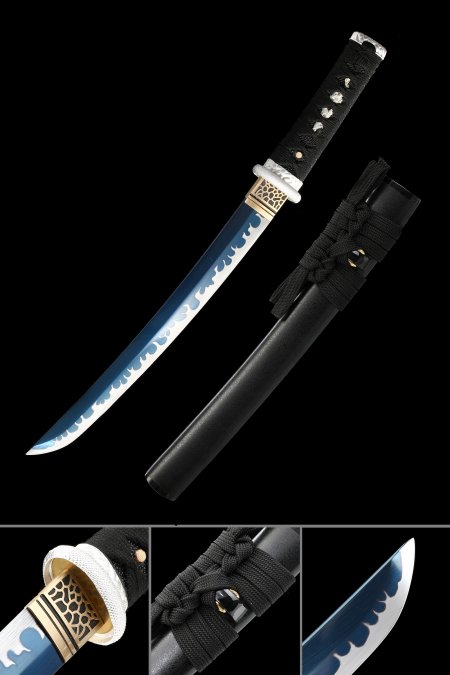
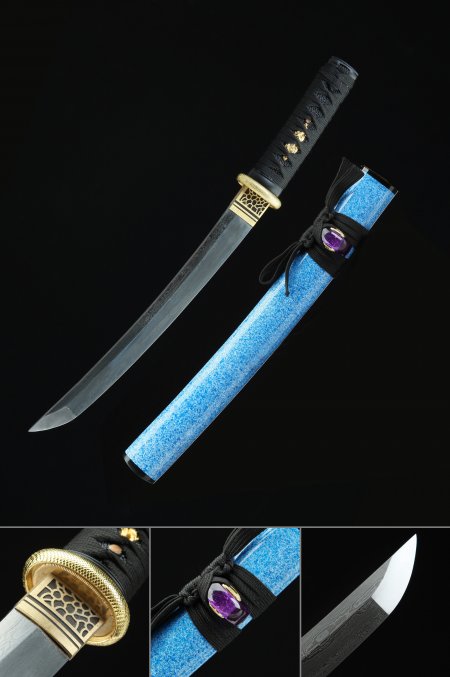
Damascus Steel Tanto with Blue Saya - Gold Alloy Tsuba, Black Cord Handle, Purple Gem Accent |
Shipping was quick. Quality is outstanding and will definitely come back to collect more beautiful pieces.
 |
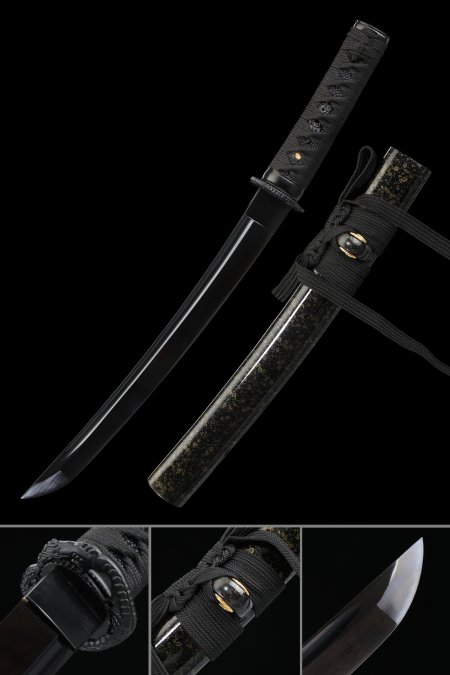
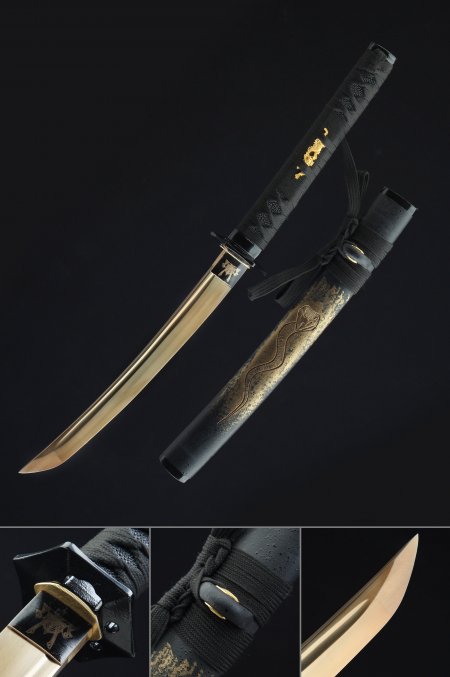
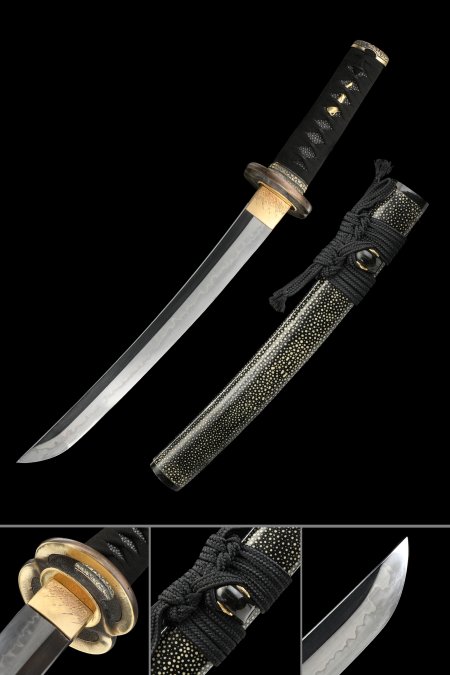
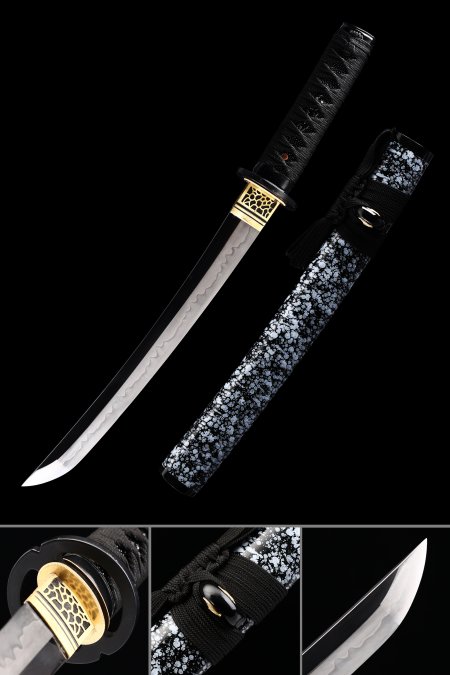
1045 Steel Black Blade Tanto with Gold-Speckled Saya and Python Theme Alloy Tsuba - Full Tang Collectible |
I was spectating two razor sharp swords but what I received was dull swords that were supposed to be Christmas gifts. Overall great looking swords.
 |
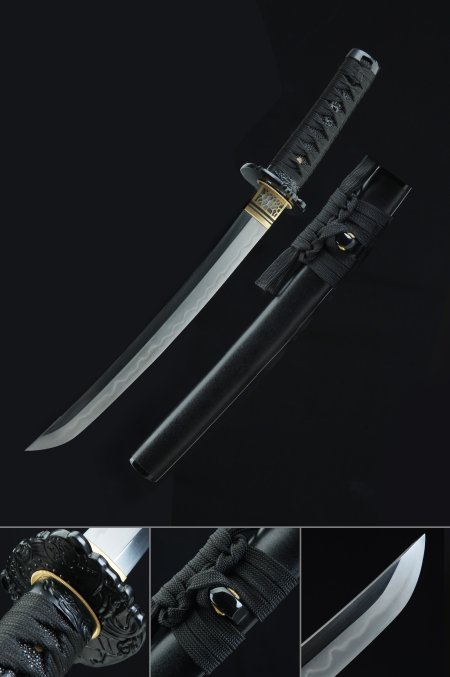
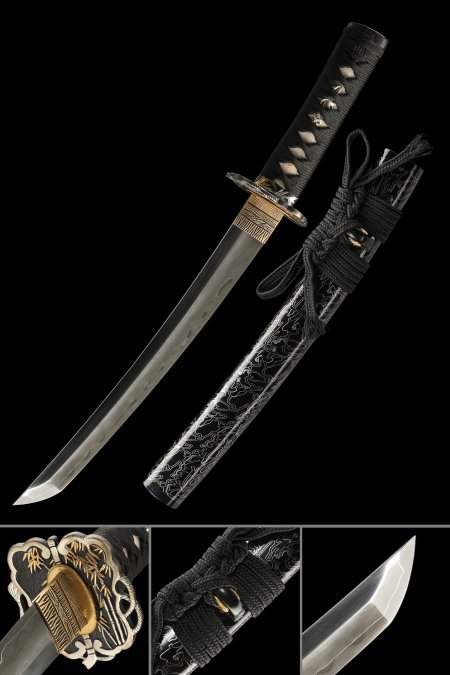
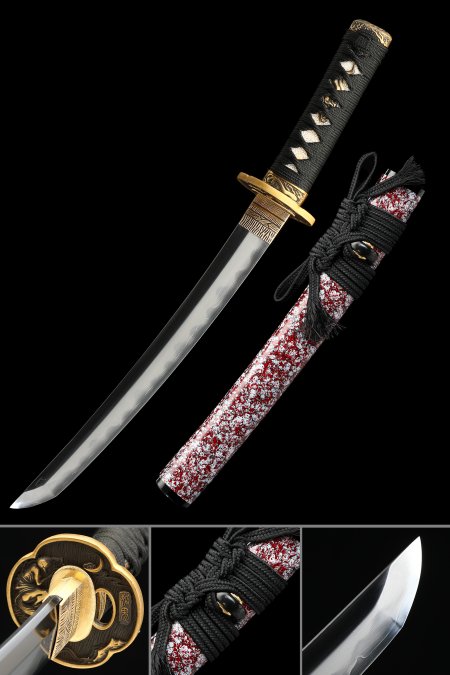
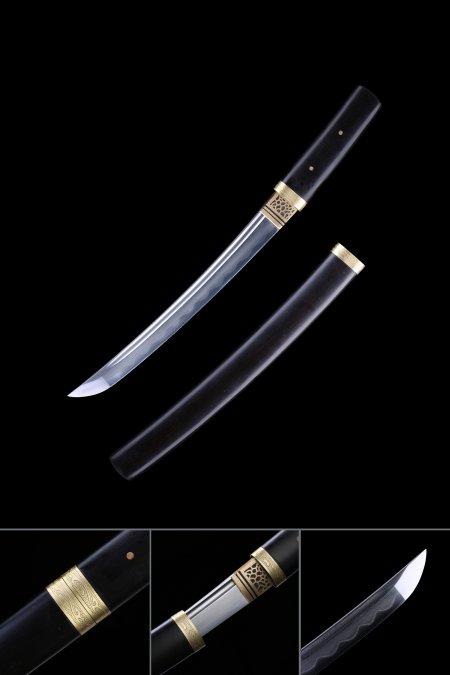
T10 Carbon Steel Tanto with Clay-Tempered Blade, Real Hamon - Silver Saya & Gold Alloy Tsuba |
Very good, although I wish it would have come with a Japanese cloth scabbard for katana.r
Not a problem as I found one, Thanks so much!
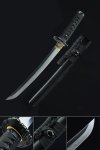 |
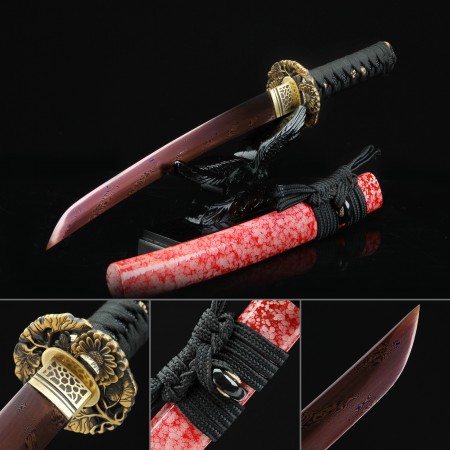
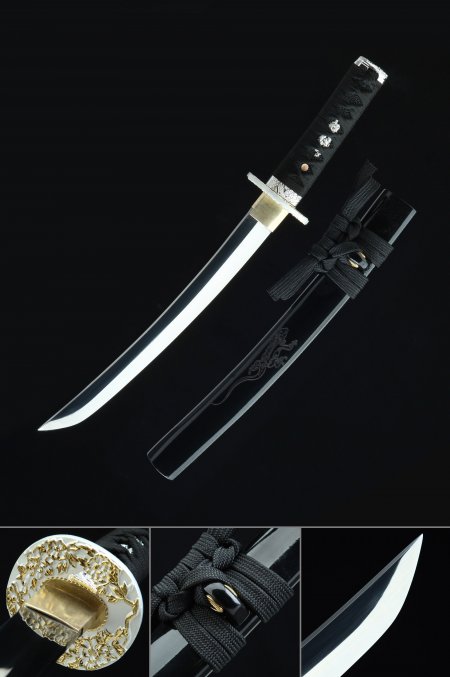
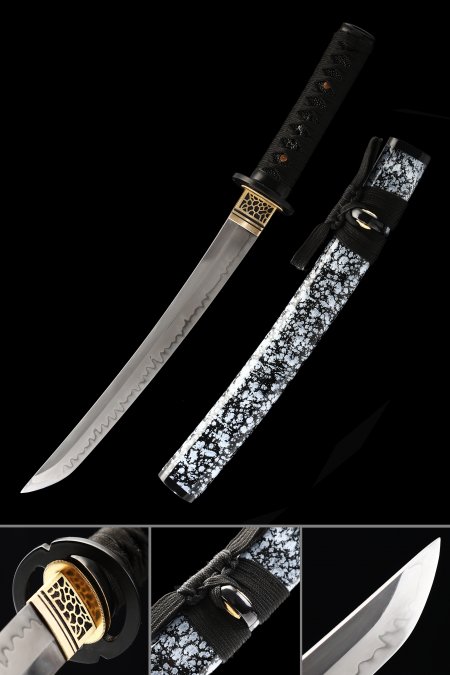
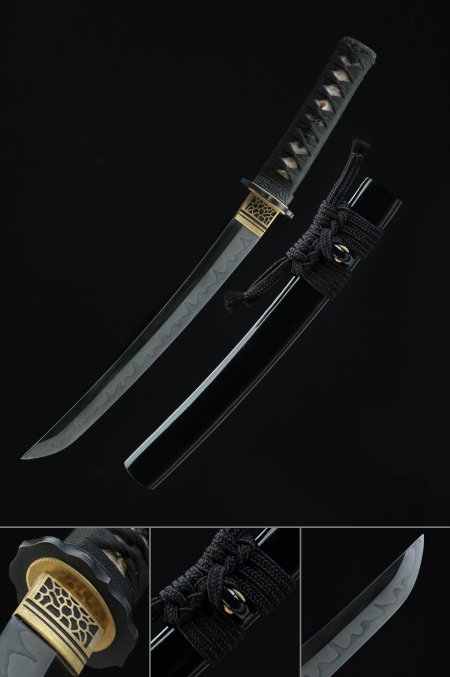
T10 Carbon Steel Tanto with Hamon Line in Black Finish - Full Tang Short Tanto with Samurai Tsuba |
Love it. It’s a beautiful work of art proud to have it. Great for my collection.
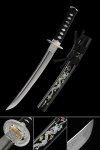 |
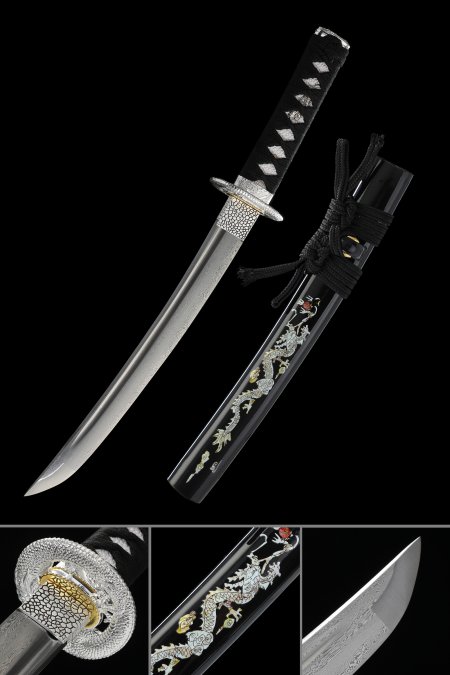
Damascus Steel Tanto with Dragon Hand-Painted Black Saya - Silver Alloy Tsuba, Black Cord |
Excellent service. Arrived in a nice packaging. First class product. r
I would definitely recommend this maker.
 |
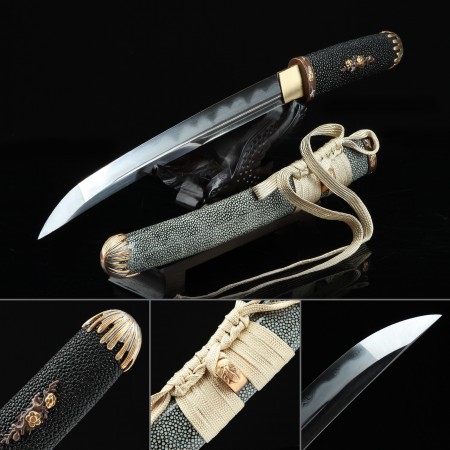
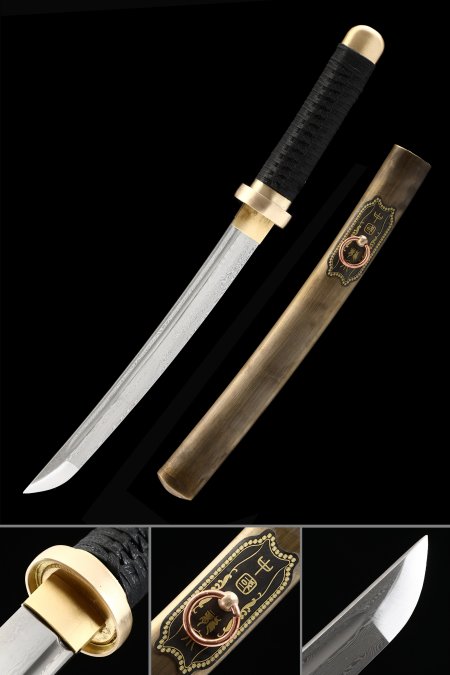
Pattern Steel Tanto with Real Hamon, Black Rayskin Handle & Gray Rayskin Saya - Aikuchi Style |
Nice peace of art!r
We only missed some mailing and shipping info.r
From the moment we ordered we only got a mail that is was ordered.......r
r
One day it was delivered......we could not Track our order and for spending that kind of money it would be nice to be informed about the status of our order a bit more!
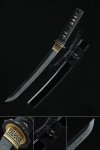 |
T10 Steel Clay-Tempered Tanto with Real Hamon in Black Piano Lacquer Saya - Folded Japanese Short Sword |
The communication could be better after the order is placed. The product was as advertised and is a very nice sword. Looking forward to practicing with it. Luckily the delivery occurred just before the tariff shipping fiasco that is currently going on.
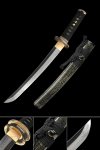 |
T10 Carbon Steel Tanto with Real Hamon in Black Rayskin Saya - Gold Alloy Tsuba |