What makes 1060 carbon steel a good choice for display katana?
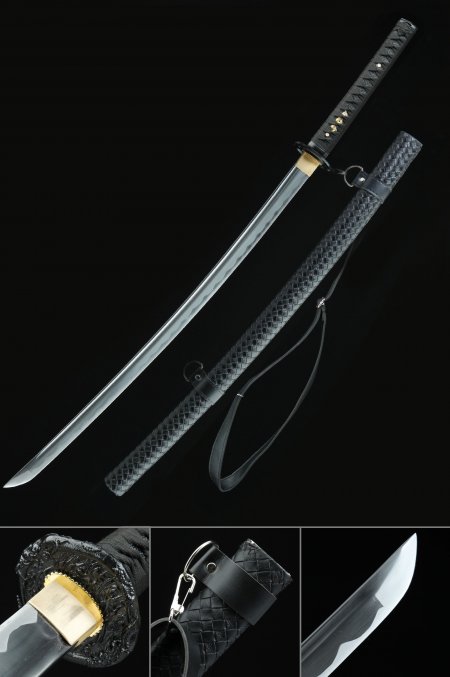
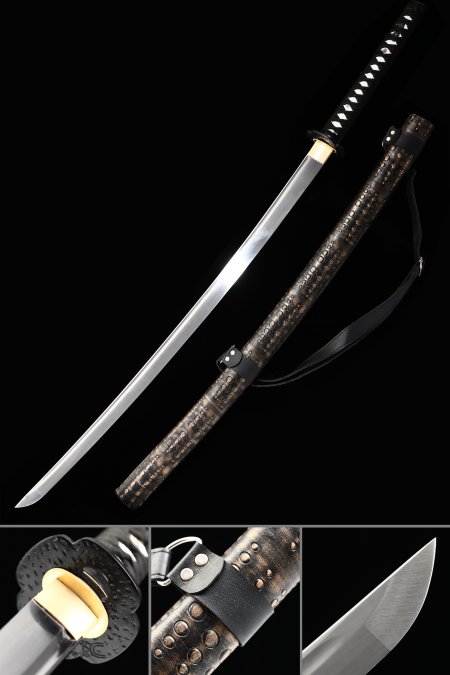
1060 carbon steel contains approximately 0.60% carbon, placing it at a practical midpoint between softer, more malleable low-carbon steels and the brittle tendencies that can emerge in very high-carbon alloys. For display and collectible purposes, this balance is particularly valuable: the steel takes a clean, well-defined edge geometry that photographs and presents beautifully under lighting, while remaining structurally resilient enough to withstand the minor handling that repositioning and exhibition involves. Collectors who maintain multi-piece displays appreciate that 1060 blades are less prone to micro-cracking at the edge compared to harder alloys, which means the visual profile of the sword holds up over years of careful display. The steel also responds well to traditional hand-polishing, allowing craftsmen to develop the characteristic mirror or brushed finishes associated with authentic Japanese blade aesthetics.
How does a leather-wrapped saya differ from a lacquered wood scabbard?
A lacquered wood saya offers a smooth, sealed surface that resists moisture and maintains a consistent appearance with minimal maintenance - it is the more traditional format seen in historical Japanese sword production. A leather-wrapped saya, by contrast, introduces an organic material layer over the wooden core that develops character over time. Genuine leather is slightly porous, meaning it responds to humidity, handling oils, and environmental conditions in ways that build a natural patina unique to each piece. Studded leather variants add a further layer of artisan detail, with each rivet or decorative element placed to enhance the scabbard's visual rhythm. For collectors drawn to tactile and visual distinctiveness, leather-wrapped saya offer an aesthetic that lacquer simply cannot replicate - and the material contrast between a polished steel blade and a textured leather scabbard is especially striking in display settings.
Why does full-tang construction matter for a collectible sword?
Full-tang construction means the blade's steel extends continuously from the tip all the way through the handle, rather than terminating partway into the grip. For collectible and display swords, this has two primary implications. First, structural: the full-tang format distributes the weight of the blade more evenly across the entire assembly, which prevents the handle from feeling imbalanced or loosening at the collar over time. Second, authenticity: full-tang construction reflects the actual engineering of historical Japanese swords, where a properly fitted tang (nakago) seated within the handle was essential to the sword's overall integrity. Collectors who understand traditional sword construction recognize the full-tang format as a mark of honest craftsmanship, distinguishing these pieces from decorative replicas where the blade and handle are simply bonded or pinned together without a continuous steel core.
How should I care for and store a leather-wrapped katana display piece?
Caring for a leather 1060 carbon steel katana involves attending to both the blade and the scabbard as distinct materials with different needs. For the blade, a light application of camellia oil or mineral oil every few months prevents surface oxidation - apply with a soft cloth, working from base to tip, and wipe away any excess. Store the sword horizontally or at a slight downward angle (edge facing upward in the traditional Japanese style) to prevent oil from pooling at the habaki. For the leather saya, avoid prolonged exposure to direct sunlight, which causes leather to dry and crack, and keep relative humidity between 45-55% if possible. A periodic application of a neutral leather conditioner - not wax-based shoe polish - will preserve the leather's flexibility and surface finish. Never store the blade inside a leather-wrapped saya for extended periods without periodic inspection, as leather can retain moisture that accelerates patina on the steel near the mouth of the scabbard.
Is a dragon tsuba historically accurate for Japanese katana?
Dragon motifs - known as ryu in Japanese - have a long, well-documented history in Japanese decorative metalwork, including tsuba. Dragons appear extensively in Edo-period tsuba craftsmanship, rendered in iron, shakudo (a copper-gold alloy), and brass by schools such as the Goto and Myochin traditions. They carried symbolic associations with water, protection, and imperial power, making them popular subjects for samurai-class commissioned fittings. An iron tsuba with a dragon motif is therefore not an invented fantasy element - it draws on a genuine design tradition that spans several centuries of Japanese sword furniture. For collectors, an iron-constructed tsuba with hand-finished dragon imagery represents both decorative authenticity and material substance: iron tsuba are denser and more visually present than alloy castings, and their surface develops a natural oxidation patina over time that enhances rather than detracts from their display quality.