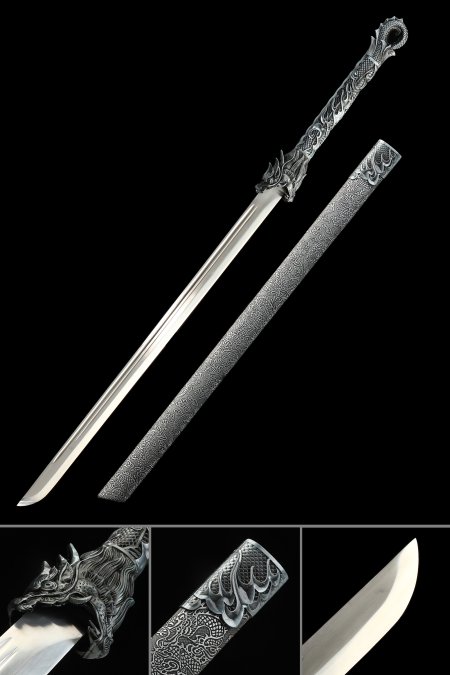
Black 1090 Carbon Steel Ninjato
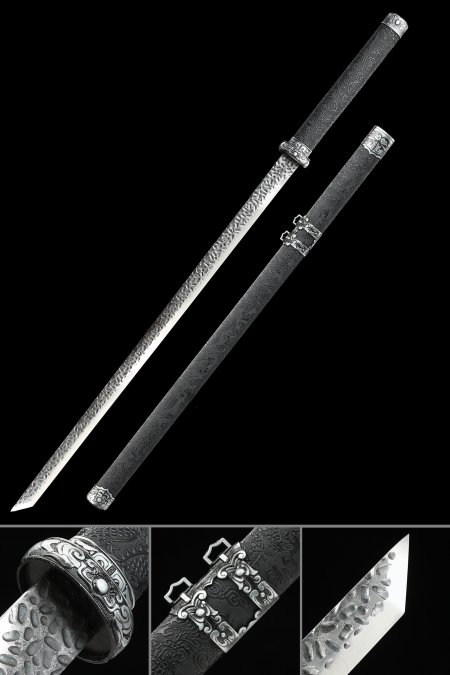
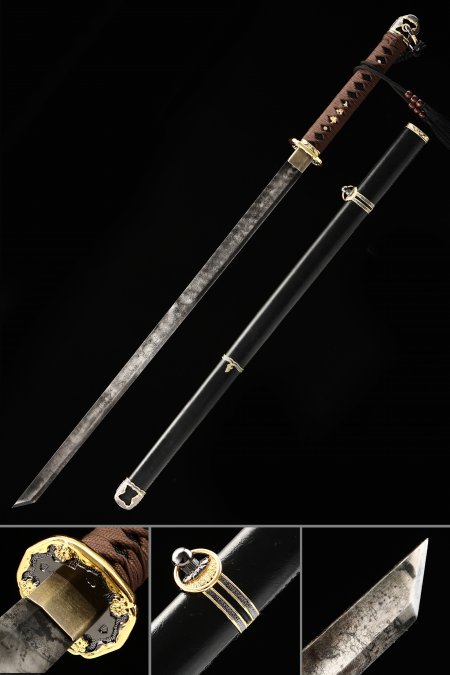
Black 1090 carbon steel ninjato swords combine understated elegance with serious craftsmanship - each blade hand-forged from high-carbon 1090 steel and finished with a distinctive black surface treatment that resists corrosion while amplifying visual depth. The straight-edge silhouette and compact geometry make these pieces immediately recognizable as collector-grade interpretations of the classic shinobi aesthetic. Every order ships free with hassle-free returns, so adding one to your display collection is completely risk-free.
Free Shipping
119.00 USD
ON SALE! 30% OFF
Was: 169.00 USD
Free Shipping
219.00 USD
Related Collections
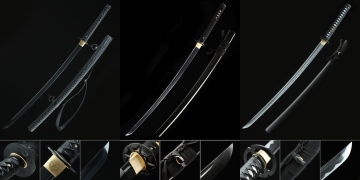
1090 Katana27 items
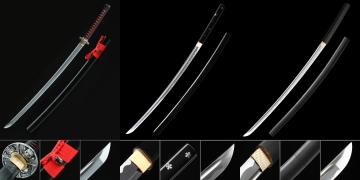
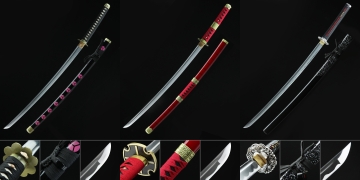
Black 1060 Carbon Steel Katana23 items
Frequently Asked Questions
What makes 1090 carbon steel a good choice for a ninjato?
1090 high-carbon steel contains roughly 0.90% carbon, placing it at the upper end of the medium-high carbon range. This composition allows a skilled smith to achieve meaningful surface hardness through quenching while retaining enough toughness in the spine to resist fracture under handling stress. For a display collectible like a ninjato - where visual character matters as much as material integrity - 1090 is an excellent choice because it responds well to hand-hammering and stone-washing, producing surface textures that give each blade a genuinely individual appearance. It also supports differential hardening, meaning collectors can look for a visible hamon line separating the hardened edge zone from the softer body of the blade. That hamon is both a record of the forging process and one of the most visually compelling features a carbon steel blade can have.
How does a ninjato differ from a katana in terms of design?
The most immediate distinction is geometry. A katana features a pronounced curvature - the sori - that develops during the differential hardening process as the edge contracts slightly faster than the spine. A ninjato, by contrast, presents a straight or very slightly curved blade profile with a squared or compact kissaki (tip). The straight silhouette historically associated with the shinobi aesthetic also tends to pair with a shorter overall length and a squared tsuba, which contrasts with the round or oval iron tsuba more common on classical katana mounts. For collectors, these differences translate directly into display aesthetics: a ninjato reads as geometric and minimal on a rack, while a katana communicates the flowing arc that defines classical Japanese blade design. Neither is superior - they represent distinct visual vocabularies within the broader world of Japanese edged collectibles.
Does the black finish on a ninjato blade require special maintenance?
Yes, though the routine is simple once established. Blackened finishes - whether achieved through oxide treatment, stone-washing, or a combination of chemical patination - provide a modest layer of surface protection compared to bare polished steel. However, 1090 carbon steel is still reactive to moisture and the oils naturally present on skin, so unprotected contact can initiate oxidation even beneath or around a darkened surface. The recommended approach is to apply a thin coat of blade oil - camellia oil is traditional; food-grade mineral oil works equally well - every two to three months during display, and immediately after any extended handling. Store the blade in a low-humidity environment and avoid sealing it inside an airtight case without first ensuring it is clean and lightly oiled. A cotton or microfiber cloth is the safest option for wiping down the blade surface without scratching the finish.
What should I look for in the fittings when collecting a ninjato?
The fittings - collectively called koshirae - are as important to a collectible ninjato's value and coherence as the blade itself. Key components include the tsuba (guard), fuchi and kashira (collar and pommel cap), menuki (grip ornaments), and the saya (scabbard). On a quality display piece, these elements should share a consistent visual theme: a dragon-engraved saya, for instance, is most satisfying when the tsuba or fuchi echoes that motif rather than introducing an unrelated design. Material consistency matters too - silver-finished hardware against a black lacquer saya creates deliberate contrast, while mixed metal tones can look unintentional. For 1090 steel ninjato in the black-finish family, hardware with darker patination or oxidized silver tones tends to complement the blade surface more naturally than bright gold or mirror-polished fittings.
Is a ninjato a good entry point for a Japanese sword collection?
It can be an excellent starting point, particularly for collectors drawn to the aesthetic of dark finishes and straight-blade geometry. Ninjato collectibles in 1090 carbon steel are widely available across a range of price points, and the relatively compact form factor makes display straightforward even in smaller spaces. The historical and pop-cultural context around the shinobi tradition gives collectors an engaging narrative to share when presenting the piece. That said, prospective collectors should pay attention to construction quality - specifically whether the blade is full-tang (the steel extends fully through the handle) and whether the fittings are properly fitted without visible gaps or wobble. These construction details separate display-grade collectibles worth preserving from lower-quality novelty items. Pairing a ninjato with a katana from the same finish family creates a visually unified two-piece display that showcases the contrast between straight and curved Japanese blade forms.
Customer Reviews
Goku A
California, United States
Really happy with the purchase. Great craftsmanship for the price, and customer service got back to me quickly.
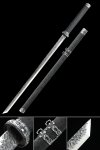 |
Ninjato 1090 Carbon Steel Hand-Hammered Blade with Black Dragon-Engraved Saya and Silver Scroll Tsuba |
Goku A
California, United States
Really happy with this purchase. Great craftsmanship for the price, and customer service was quick to respond.
|
Ninjato 1090 Carbon Steel Hand-Hammered Blade with Black Dragon-Engraved Saya and Silver Scroll Tsuba |