What makes T10 steel a preferred choice for tanto collectibles?
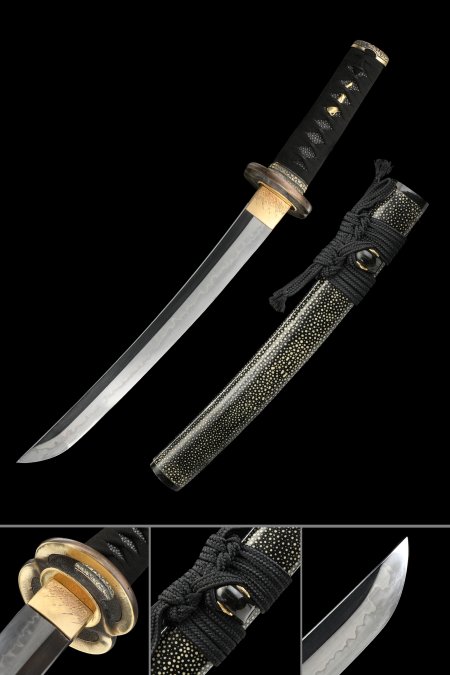
T10 is a high-carbon tool steel containing approximately 1.0% carbon along with a small amount of tungsten, which improves wear resistance and grain refinement. What distinguishes it for collectors is its genuine responsiveness to clay-coating and differential heat treatment - the same foundational process used in traditional Japanese blade-making. When properly heat-treated, T10 develops a visible, organic hamon that forms along the transition zone between hardened edge steel and the softer, more flexible spine. This hamon is not etched or artificially induced; it is a direct record of the quenching process, making each blade's activity pattern unique. For a display collectible, that kind of authentic metallurgical detail adds tangible historical resonance that higher-alloy modern steels simply cannot replicate.
How do bronze fittings differ visually from iron or silver tanto hardware?
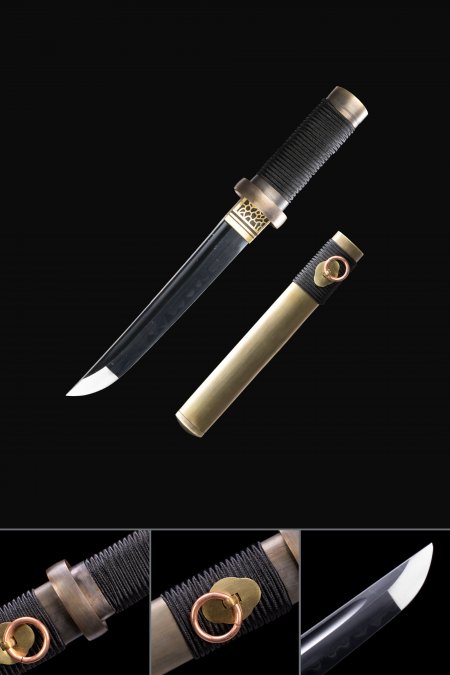
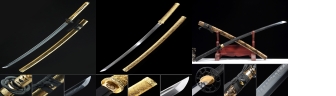
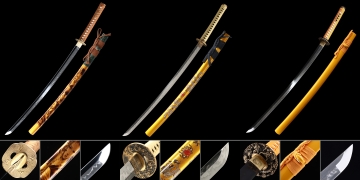
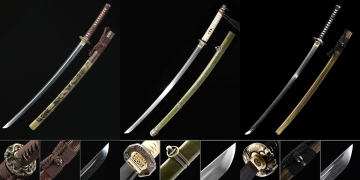
Bronze and bronze-tone fittings occupy a warmer, amber-gold register that creates a distinctly different aesthetic mood compared to the cool gray of iron fittings or the bright neutrality of silver-tone hardware. On a tanto, this warmth is especially pronounced because the blade and saya tend toward darker tones - black lacquer, stone-finished steel, deep blue rayskin - making the bronze tsuba and collar pieces stand out as deliberate focal points rather than blending into the overall color palette. Historically, bronze and gilded alloys were associated with refined civilian koshirae styles favored by aristocratic and merchant-class patrons rather than austere military mountings. A bronze-fitted tanto therefore carries a specific aesthetic lineage that collectors who appreciate Momoyama or Edo decorative sensibilities tend to find particularly appealing.
What is koshirae, and why does it matter for a tanto collection?
Koshirae refers to the complete mounting assembly of a Japanese blade - the handle, tsuba, collar fittings, and saya considered as a coordinated artistic set rather than individual components. For collectors, koshirae quality is often what separates a display piece with lasting value from one that feels generically assembled. A well-matched koshirae on a tanto means that the tsuba's motif, the saya's lacquer tone, the handle wrap color, and the metal furniture all speak the same visual language. On Bronze T10 Tanto pieces, this coordination typically involves pairing the amber warmth of bronze-tone fittings with black or dark lacquer sayas and complementary rayskin wrapping, creating a deliberate contrast that reads as intentional craftsmanship rather than coincidental assembly.
How should I care for a T10 tanto to maintain the hamon's clarity?
Preserving a visible hamon requires controlling two primary threats: surface oxidation and abrasion. Apply a thin, even coat of camellia oil or choji oil to the blade every two to three months using a soft cotton cloth - enough to form a protective barrier without pooling near the habaki or handle collar. Never use silicone-based polishes, as they can fill the microscopic surface texture that makes hamon activity legible. Store the tanto horizontally on a dedicated display stand rather than vertically, which prevents condensation from collecting at the tip. Keep the piece away from coastal or high-humidity environments where salt air accelerates carbon steel oxidation. If faint surface spots appear, a professional polisher using uchigumori fingerstones can restore clarity without altering the hamon's natural boundary.
Is a Bronze T10 Tanto a good gift for a Japanese blade enthusiast?
For someone who already collects Japanese blades, a Bronze T10 Tanto makes a particularly thoughtful gift precisely because it occupies a distinct space in a collection. Most enthusiasts begin with longer-form pieces, and a tanto with coordinated bronze koshirae introduces a different scale, aesthetic register, and metallurgical character without duplicating what they likely already own. The visible hamon on a T10 blade gives the recipient something to study and appreciate over time, while the bronze-tone fittings provide decorative warmth that pairs well with a variety of display environments. Pair it with a horizontal tanto stand for a complete presentation. For collectors who may not yet own a companion piece, pairing with a matching daisho-style short display set can also be considered.