How does hand-forged construction affect the visual quality of a Japanese katana?
Updated Feb 2026
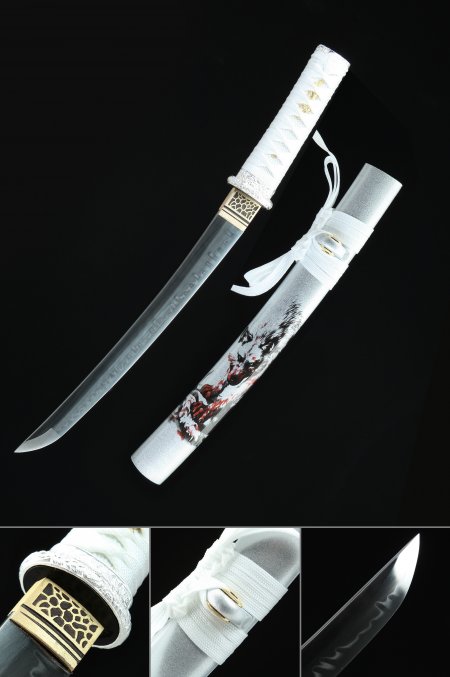
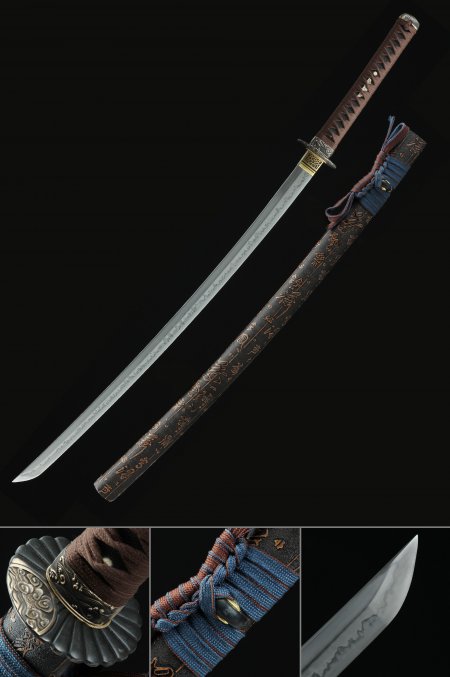
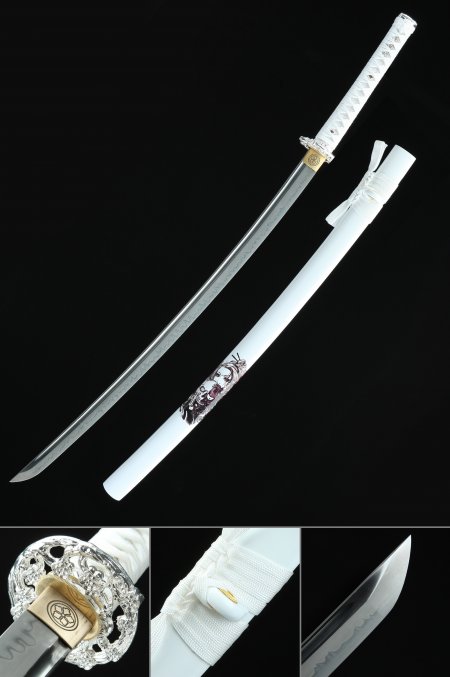
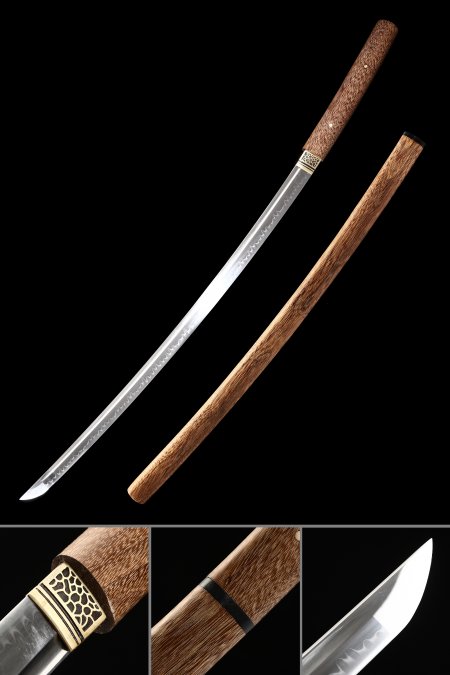
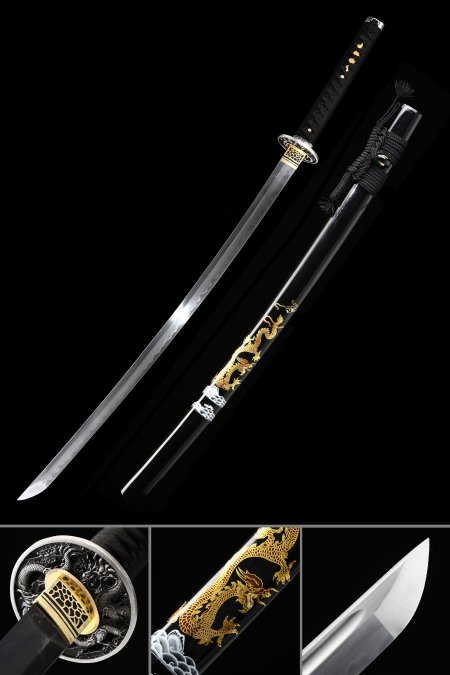
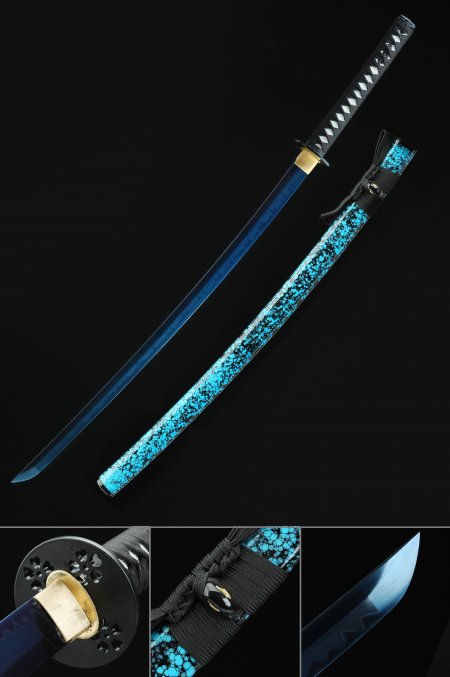
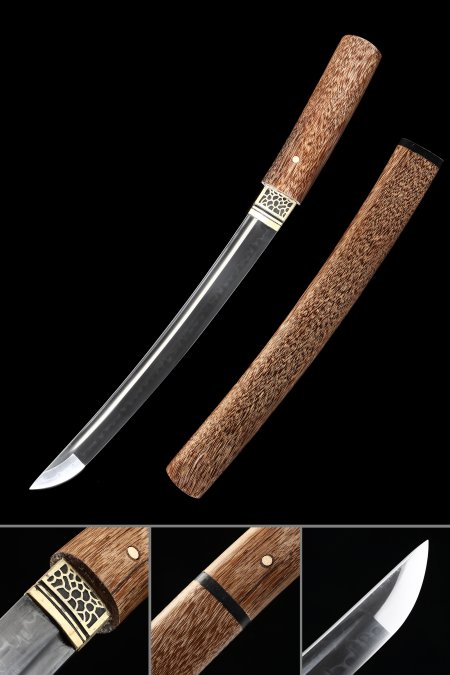
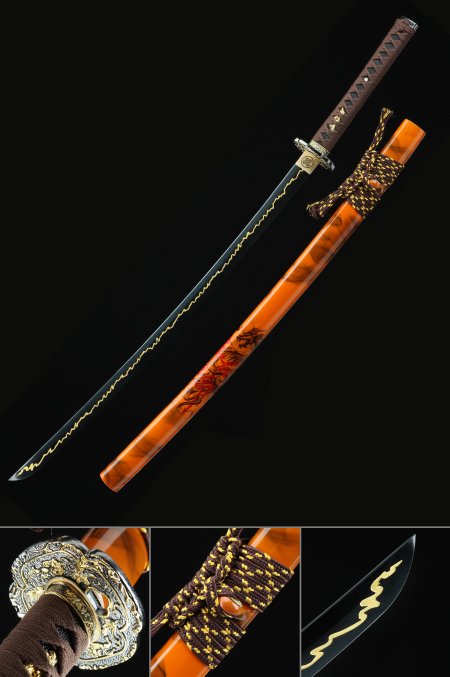
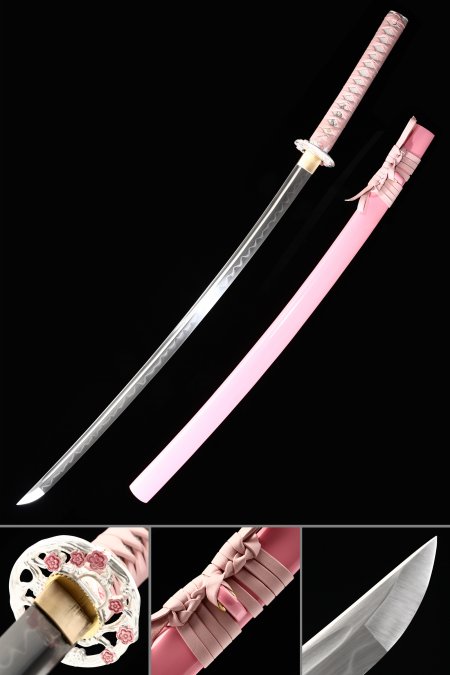
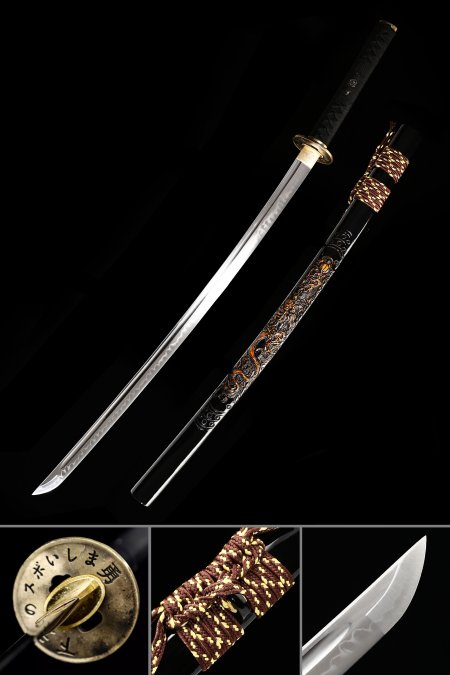
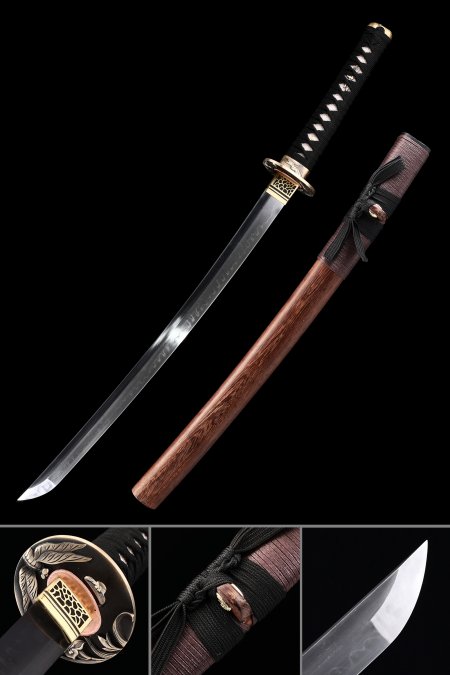
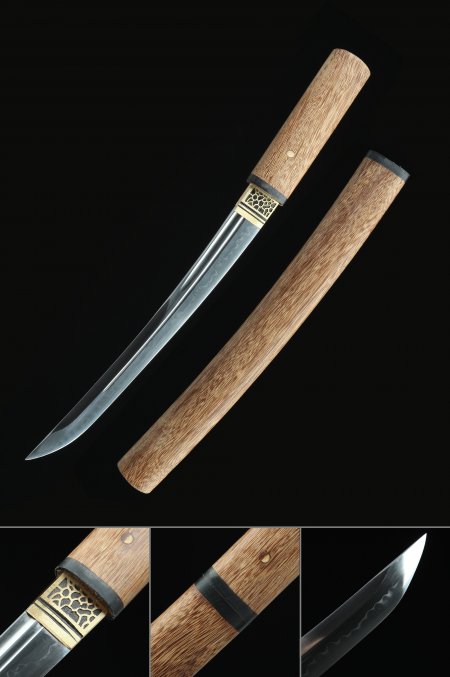
Hand-forged construction affects the visual quality of a Japanese katana through several specific characteristics visible to the informed observer. The grain structure of a properly hand-forged and heat-treated blade is finer and more uniform than an industrially produced alternative, contributing to the polished blade surface quality that collectors evaluate. The curvature of a hand-forged blade - the sori - is developed during the forging and heat treatment process rather than bent into shape mechanically, and it has a more organic flow as a result. The hamon on a clay-tempered T10 hand-forged blade shows the nie crystalline activity and pattern complexity that the individual smith's clay application created. The geometry of the bevels, the shinogi ridge line, and the kissaki tip all reflect individual attention to proportional standards. These visual qualities are what distinguish hand-forged collectibles at close range from industrial production alternatives.