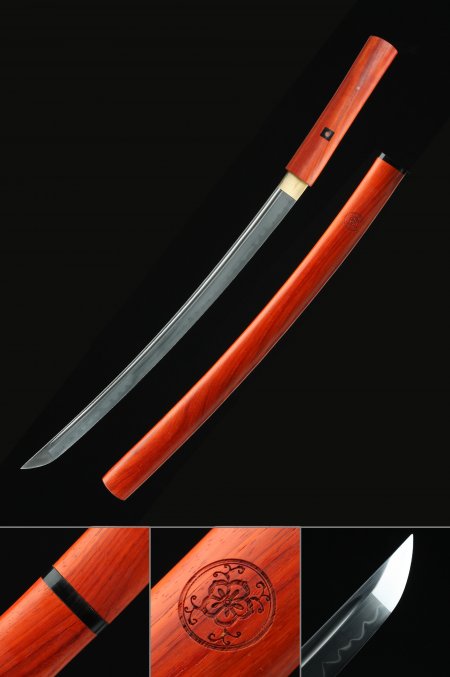
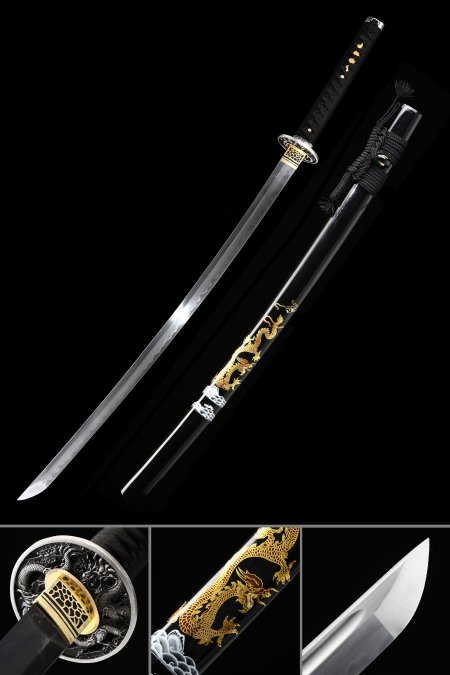
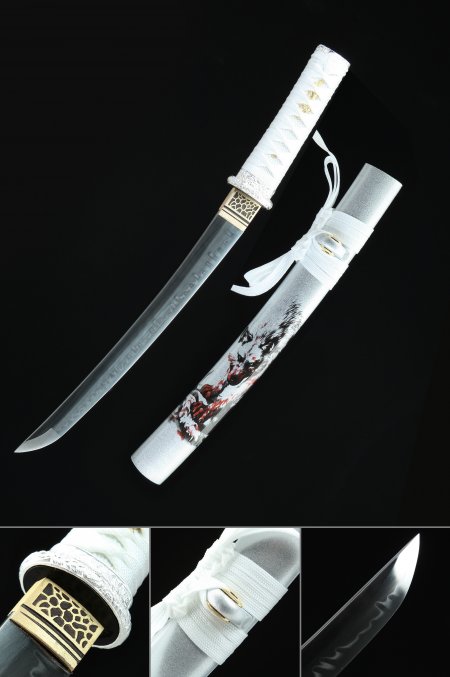
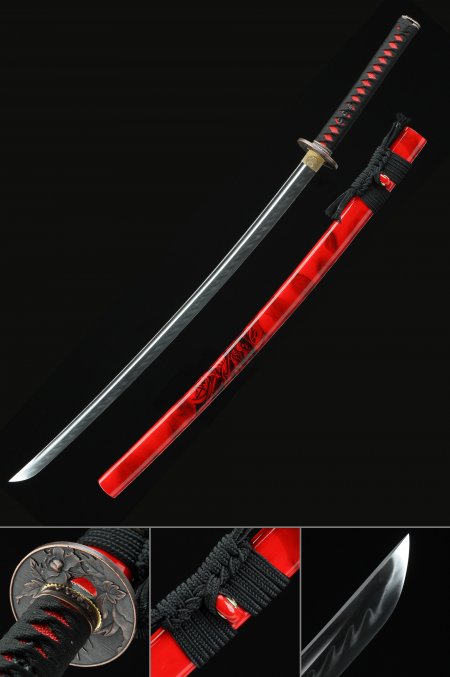
What period aesthetics do old Japanese katana collectibles reference?
Updated Feb 2026
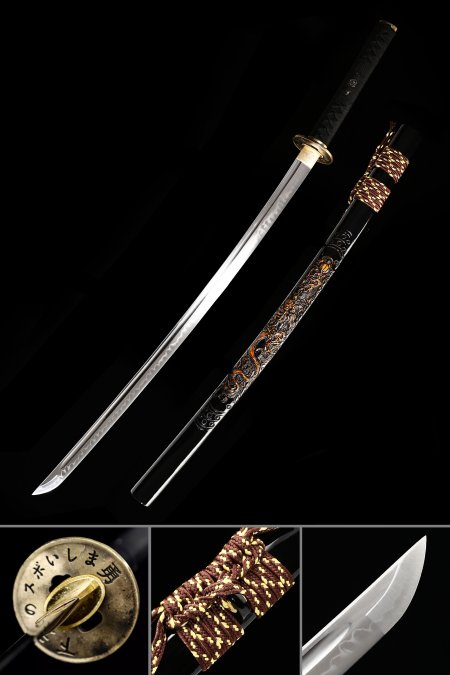
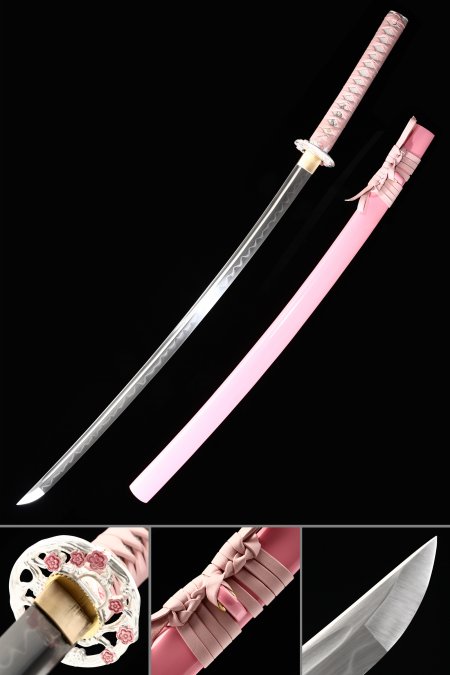
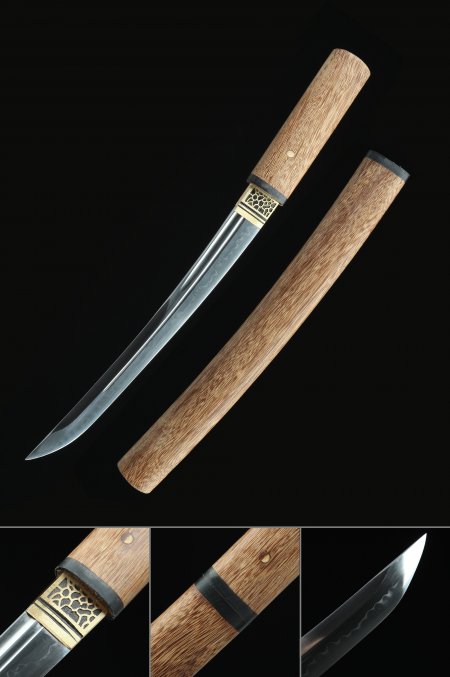
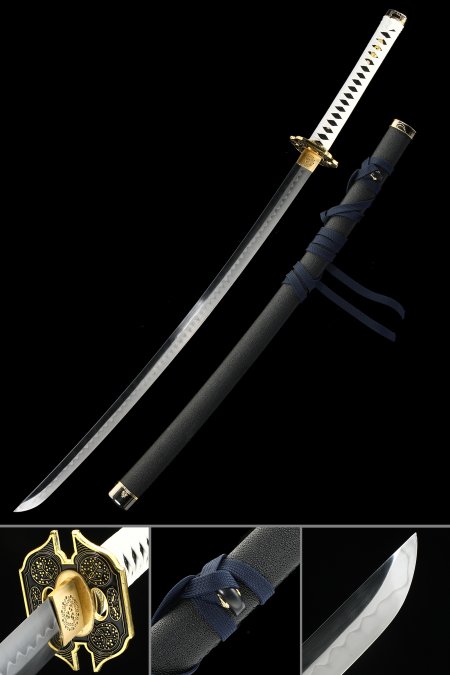
Old Japanese katana collectibles typically reference three primary historical periods that defined the visual and construction traditions most recognized in Japanese sword culture. The Muromachi period established many of the fundamental katana characteristics: the characteristic curvature profile, the dimensions, and the construction standards that distinguish the katana from earlier tachi formats. The Edo period created the most refined expression of the classical Japanese sword aesthetic: black lacquer scabbards, silk-wrapped handles, shakudo and iron tsuba guards, and the clay-tempered T10 hamon as the quality standard. The Meiji period produced a distinctive military-influenced aesthetic that combined traditional sword-making with Western military hardware influence. Each period left specific visual markers that contemporary handcrafted collectibles reference to create the old Japanese katana aesthetic.