What makes a hamon genuine versus a simulated or fake temper line?
Updated Feb 2026
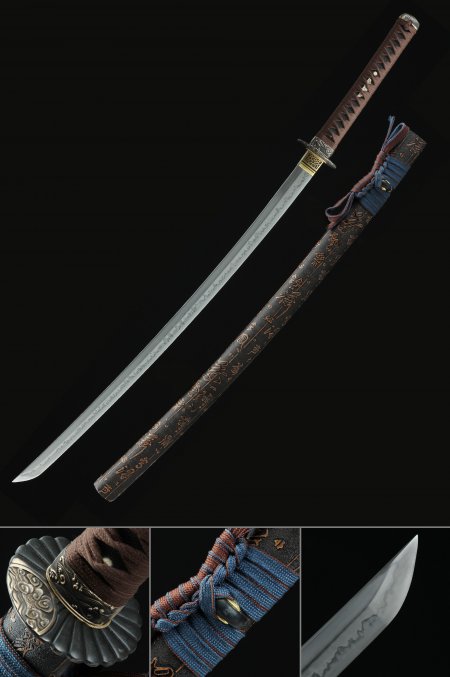
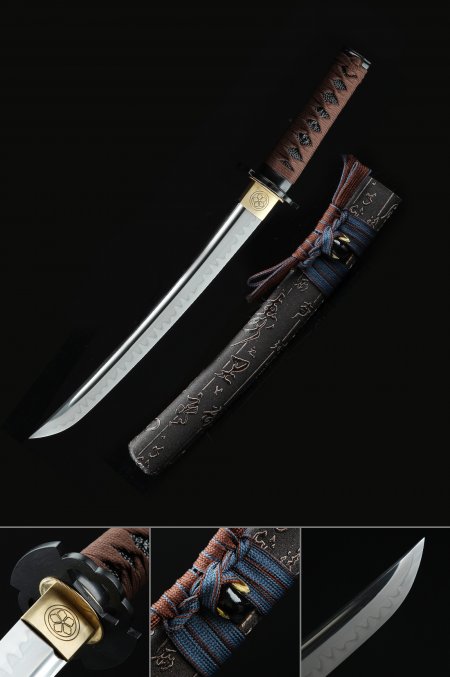
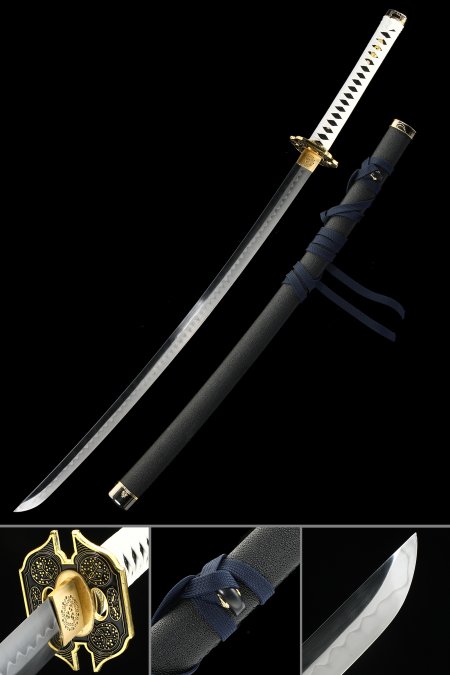
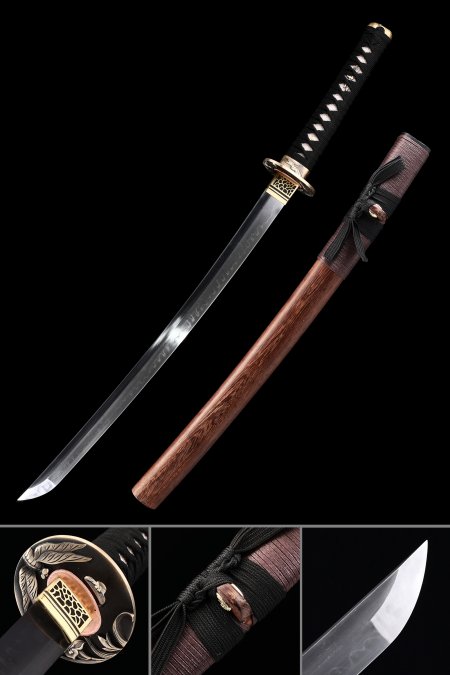
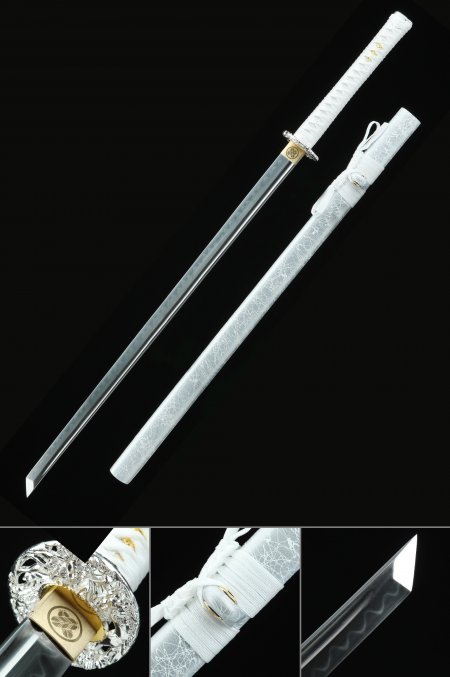
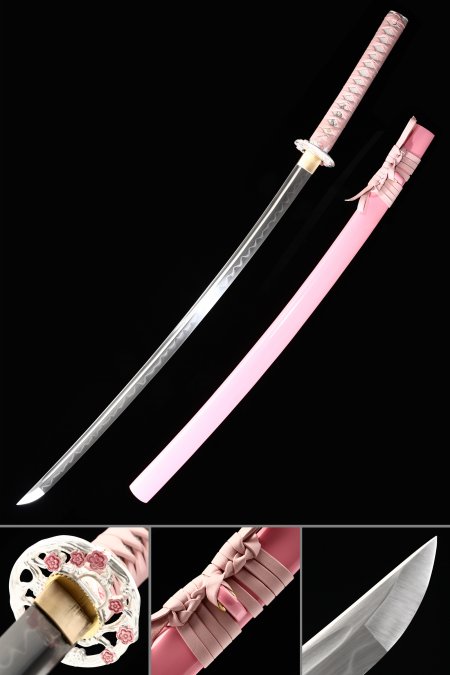
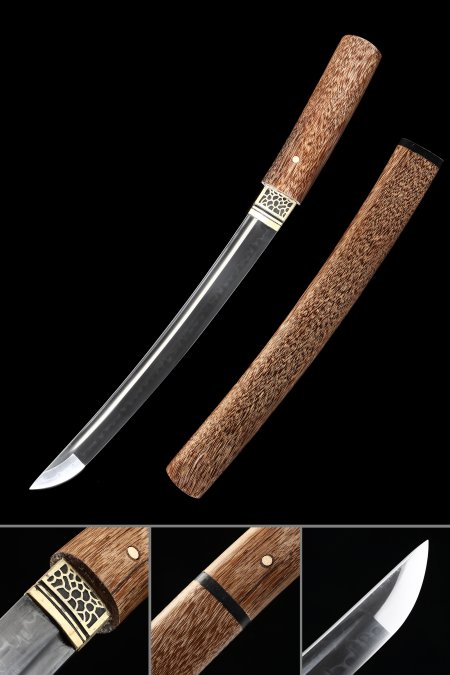
A genuine hamon is the result of actual differential clay tempering - the physical boundary between differentially hardened steel zones created during heat treatment. It cannot be reproduced by surface etching, painting, or grinding. The markers of a genuine hamon are: presence of nie activity in the temper boundary zone (visible as fine crystalline sparkle in raking light); a boundary that has three-dimensional depth rather than appearing as a flat surface pattern; variation in the boundary detail that reflects the grain structure of the steel rather than a printed line. A simulated or etched hamon is applied to the blade surface after heat treatment - it has a flat, uniform appearance without crystalline activity and typically lacks the variation and depth of a genuine differential temper. T10 clay-tempered swords in this collection have genuine differential hamon from the traditional heat treatment process.