How does a Damascus steel blade differ from T10 carbon steel?
Updated Mar 2026
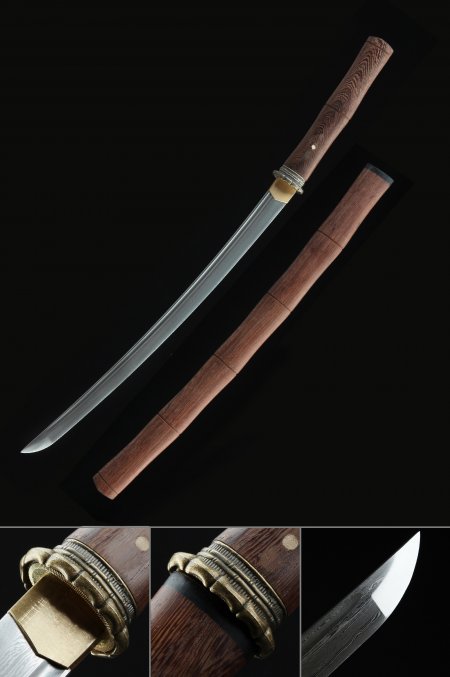
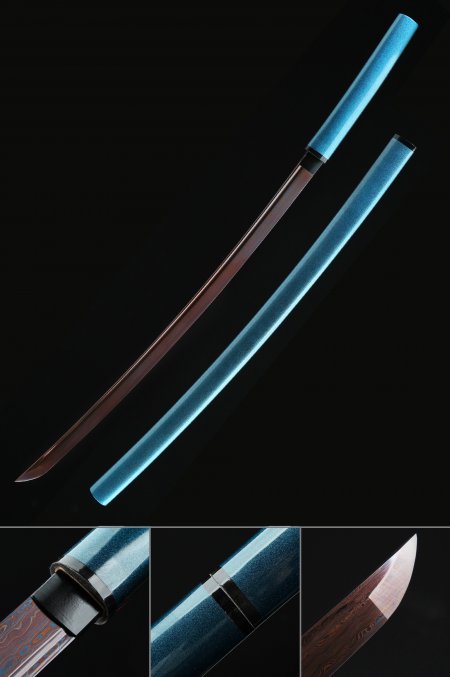
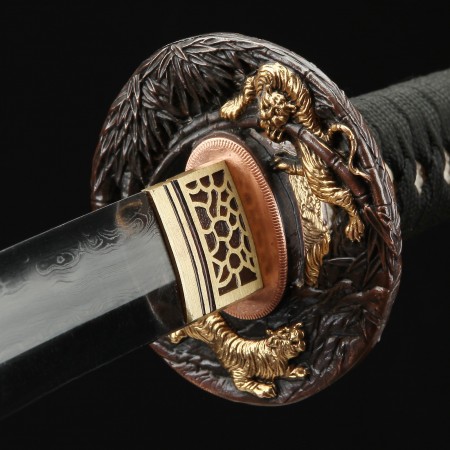
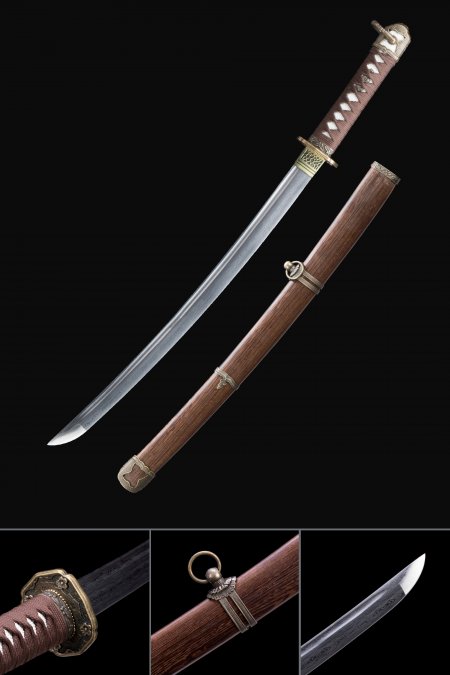
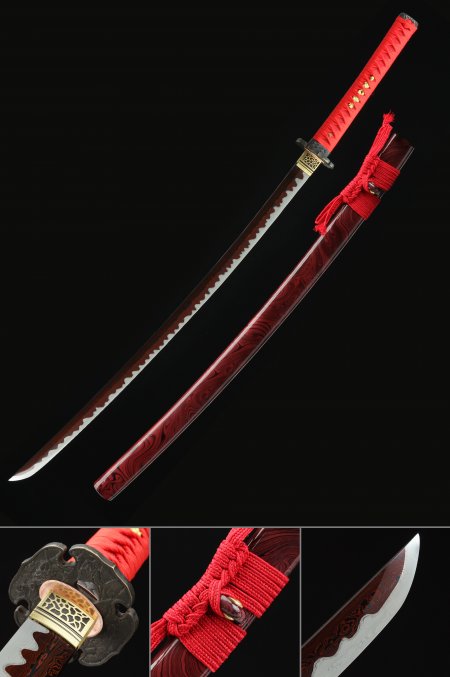
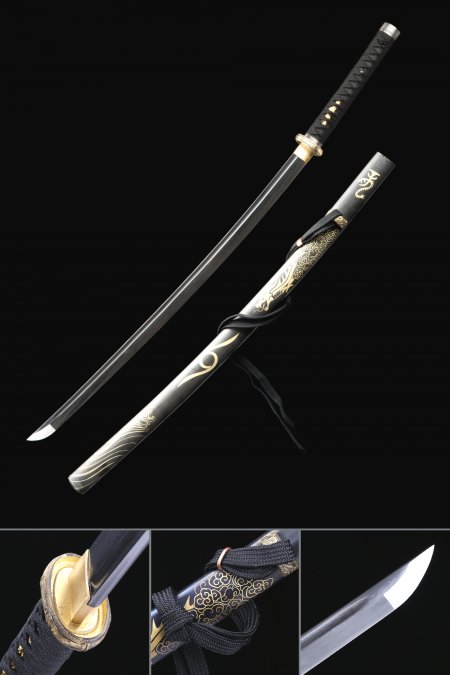
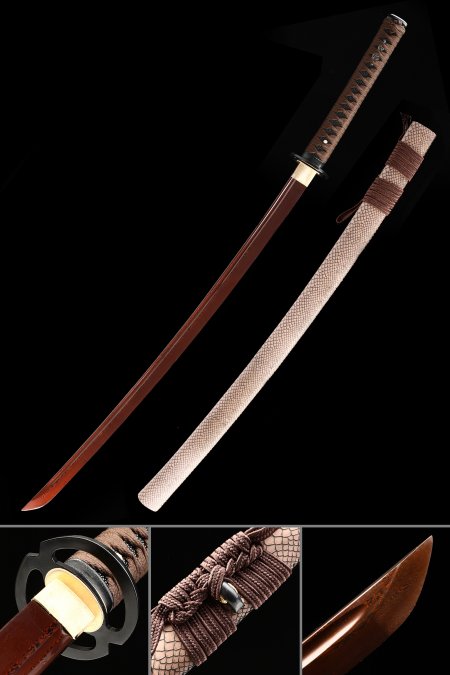
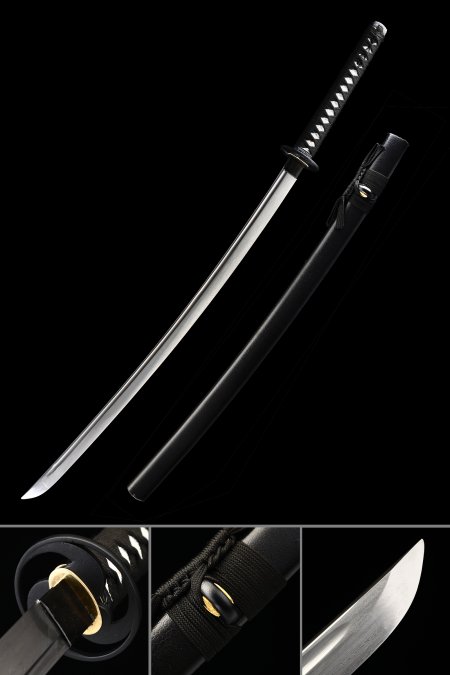
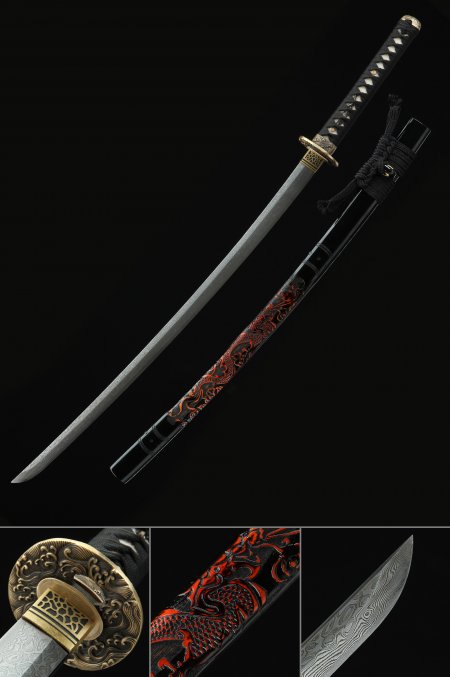
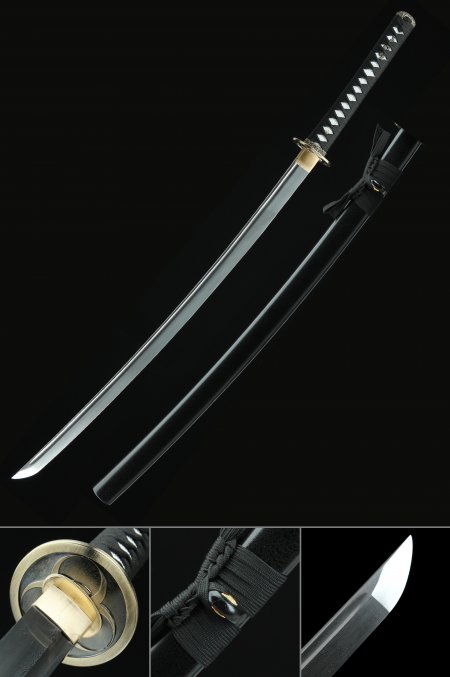
Damascus steel and T10 carbon steel represent two distinct approaches to blade character in Japanese-style collectible swords. Damascus steel is produced by forge-welding multiple layers of steel together and then manipulating the billet through folding and twisting, which creates the flowing surface grain pattern — known as hada — visible on the finished blade. Each Damascus blade has a visually unique pattern, making it especially appealing for display pieces where surface aesthetics matter. T10 carbon steel, by contrast, is a high-carbon tool steel prized for its grain structure and, critically, its receptiveness to clay tempering. When a T10 blade is clay-tempered, the differential cooling between the clay-coated spine and the exposed edge produces a visible hamon — a wave-like temper line — that is considered a hallmark of fine traditional Japanese blade craft. Collectors who value technical authenticity often favor T10 with hamon; those drawn to visual surface drama often prefer Damascus.