Is a real hamon on T10 steel actually different from an etched one?
Updated Mar 2026
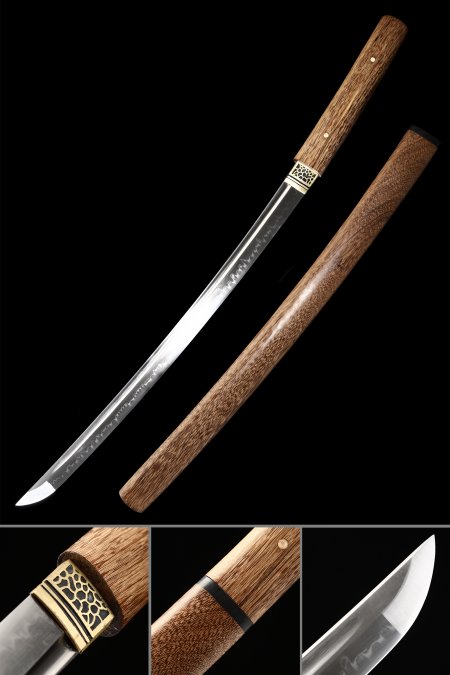
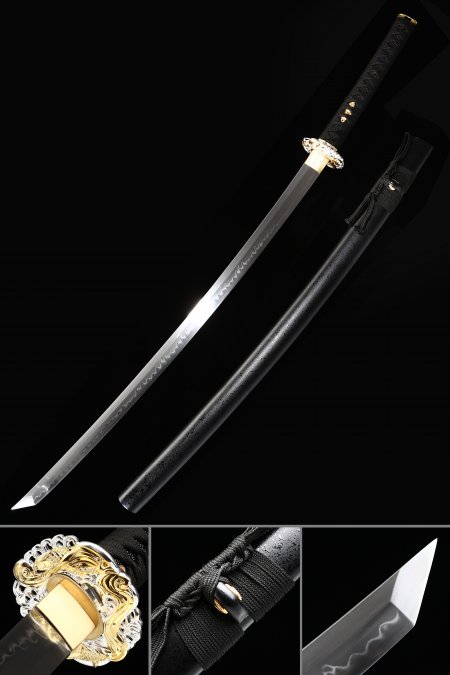
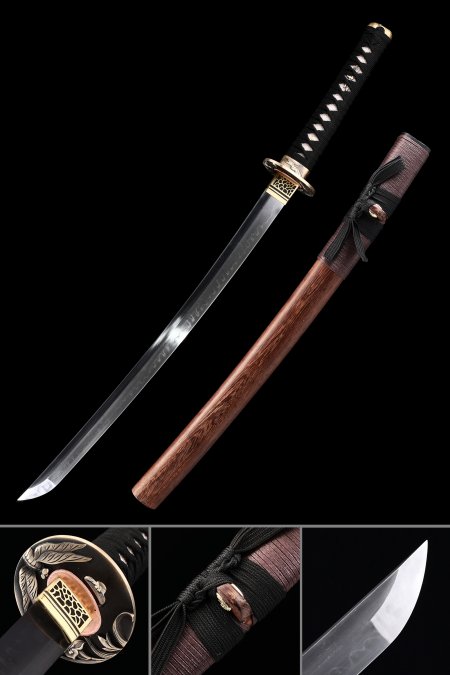
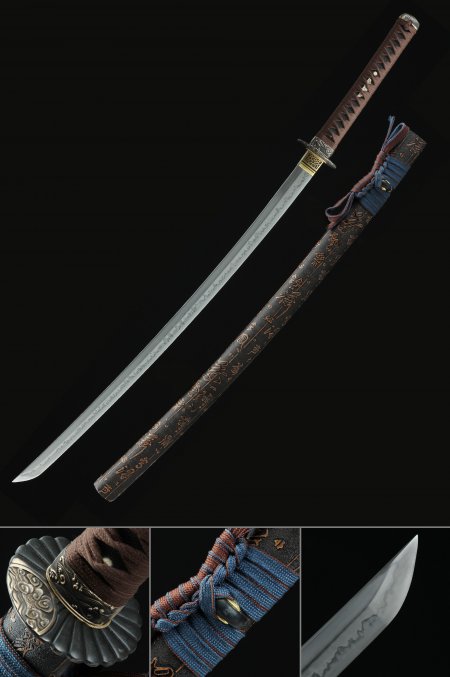
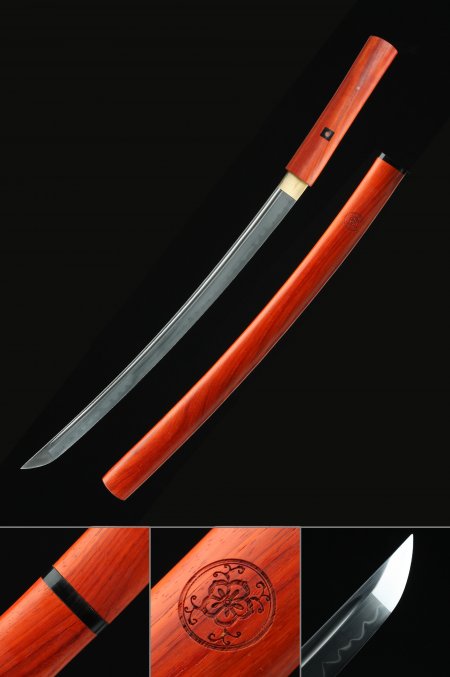
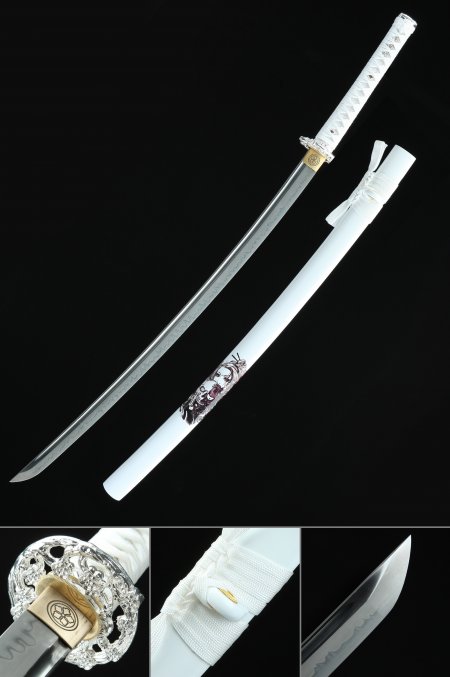
Yes, and the difference matters significantly to serious collectors. A genuine hamon is the result of clay tempering, where a layer of clay is applied to the spine of the blade before quenching. This insulates the spine from rapid cooling, leaving it softer and more flexible, while the exposed edge hardens into a high-carbon structure. The boundary between these two zones creates the visible hamon line. An etched or acid-treated hamon is applied chemically to the surface of uniformly hardened steel and does not reflect any real metallurgical difference across the blade. On T10 clay-tempered pieces, the hamon is unique to each individual blade and cannot be exactly replicated, which is part of what makes these pieces genuinely collectible rather than mass-produced decoratives.