How does clay tempering affect the blade compared to standard hardening?
Updated Mar 2026
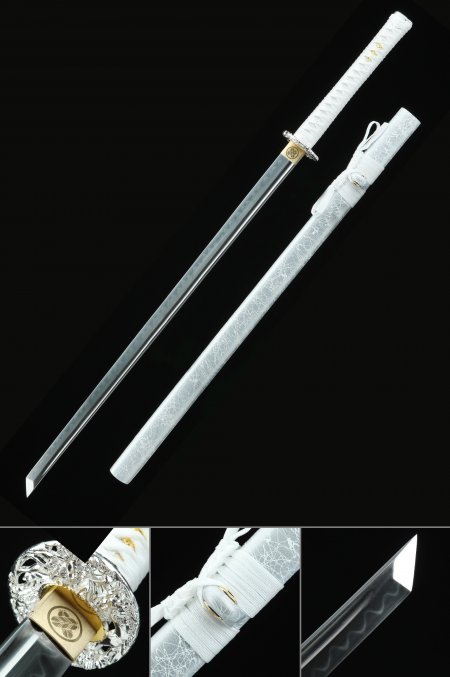
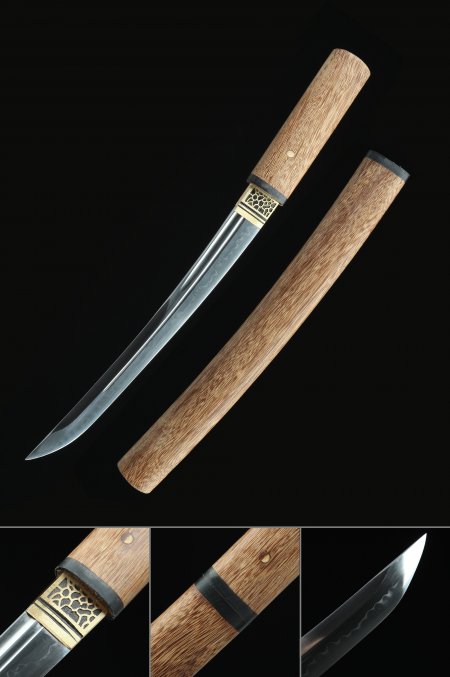
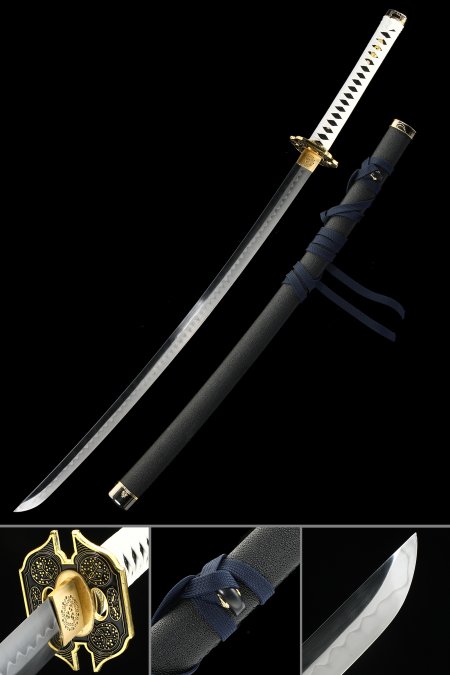
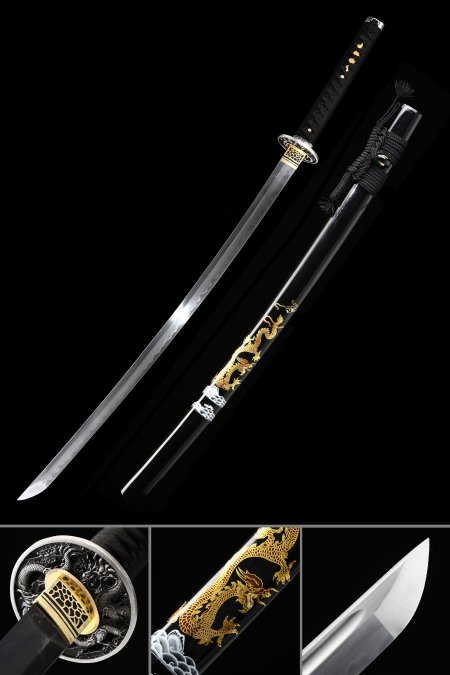
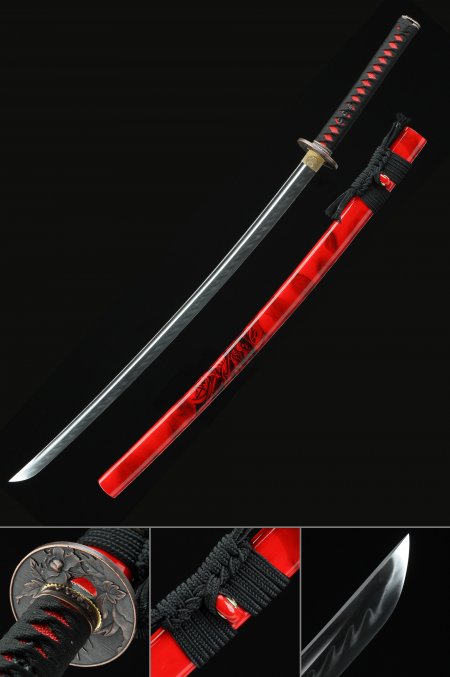
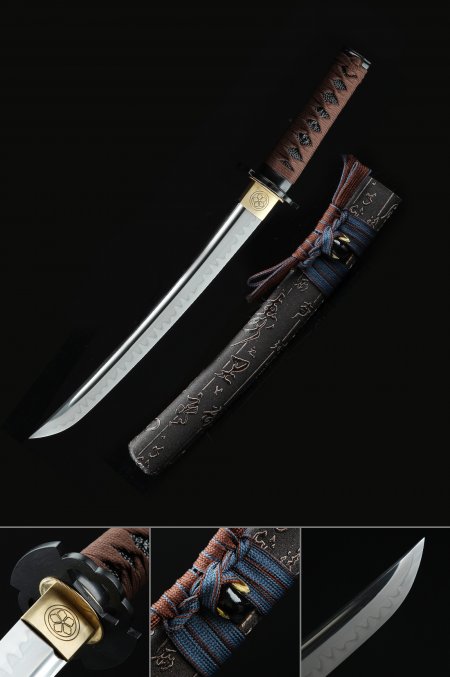
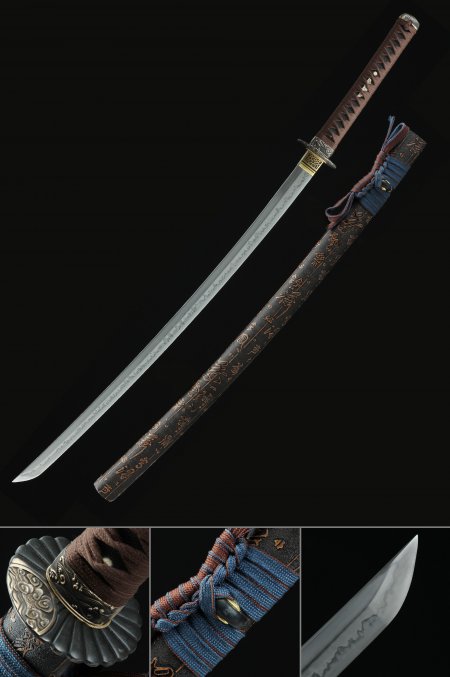
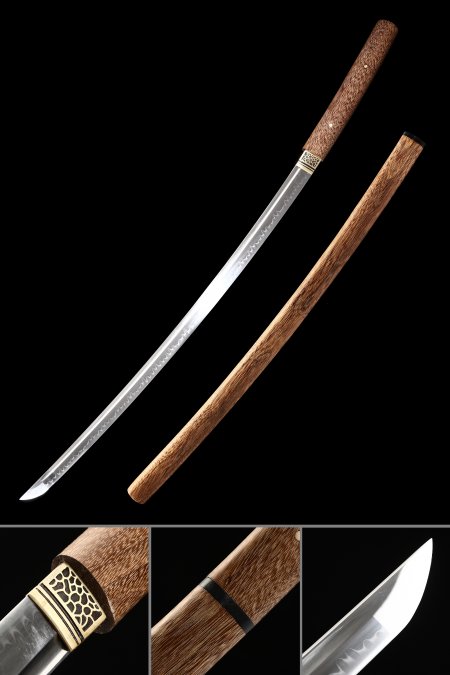
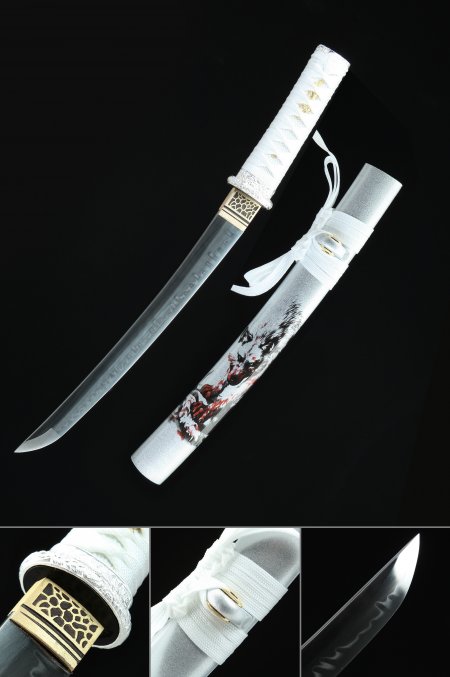
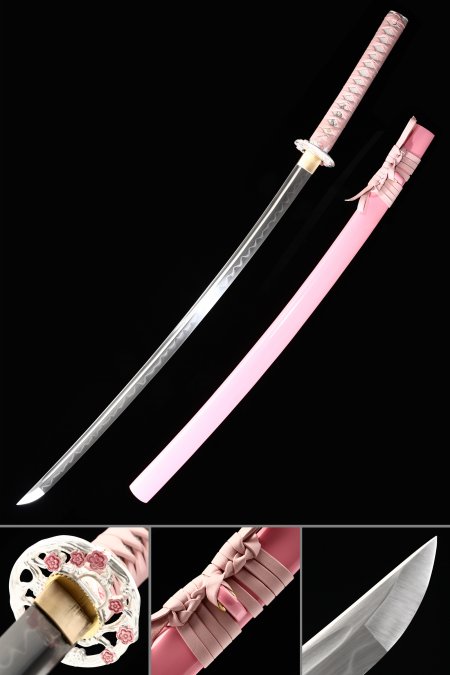
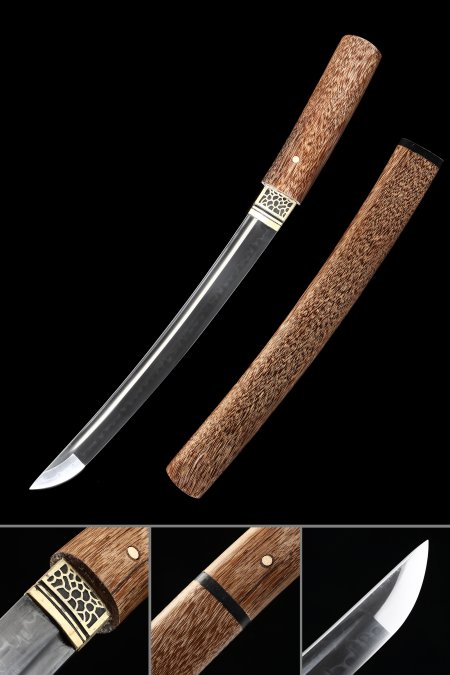
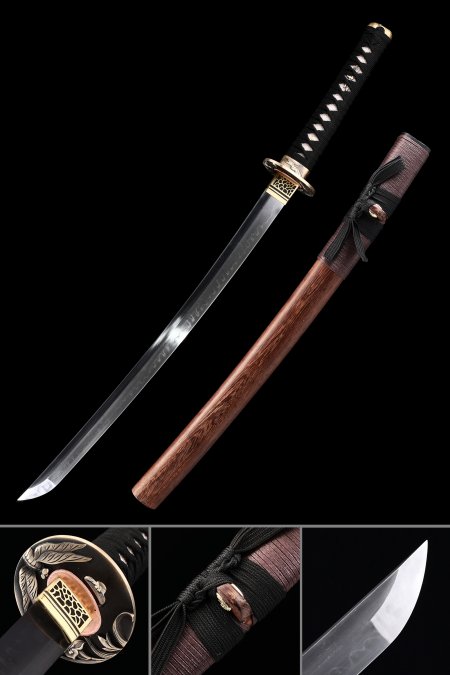
Clay tempering is a traditional differential hardening process in which a layer of clay is applied along the spine of the blade before it enters the quench. The clay insulates the spine, allowing it to cool slowly and remain relatively soft and flexible, while the uncoated edge cools rapidly and hardens. The boundary between these two zones produces the hamon — a visible temper line that runs along the blade's length. In standard through-hardening, the entire blade is hardened uniformly, which increases brittleness and eliminates the hamon entirely. Clay-tempered blades like those in T10 and 1095 steel display a naturally occurring hamon that is unique to each piece, making them far more sought after as display collectibles compared to conventionally hardened alternatives.