What is clay tempering, and why does it matter for a replica?
Updated Feb 2026
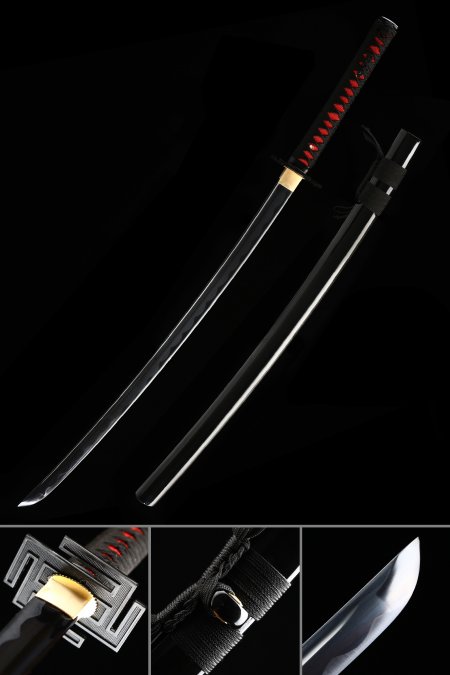
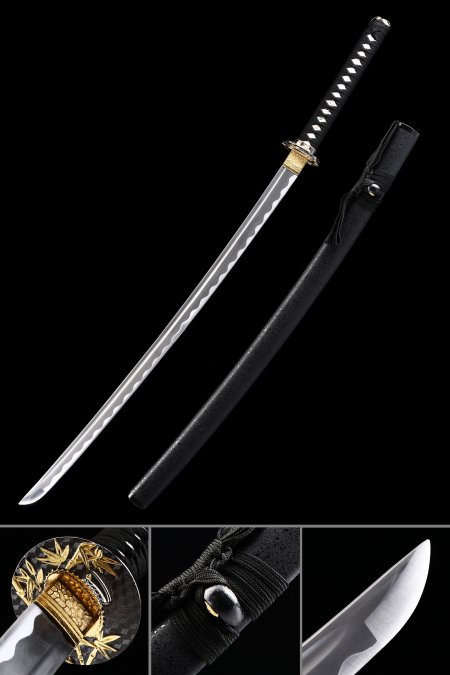
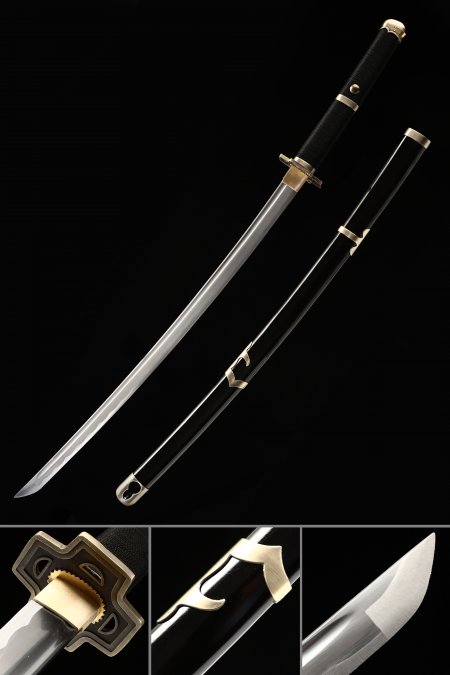
Clay tempering is a traditional Japanese blade-making technique where a clay mixture is applied unevenly to the blade before quenching. The exposed edge cools faster, creating a harder cutting edge, while the spine remains softer and more flexible. This differential hardening produces the visible hamon — the wavy temper line along the blade that serious collectors recognize as a hallmark of authentic craftsmanship. On a display collectible, clay tempering elevates the piece from a simple replica to a demonstration of real sword-making methodology, making it significantly more meaningful for collectors who value the process behind the product.