How does clay tempering interact with folded steel to produce the hamon?
Updated Feb 2026
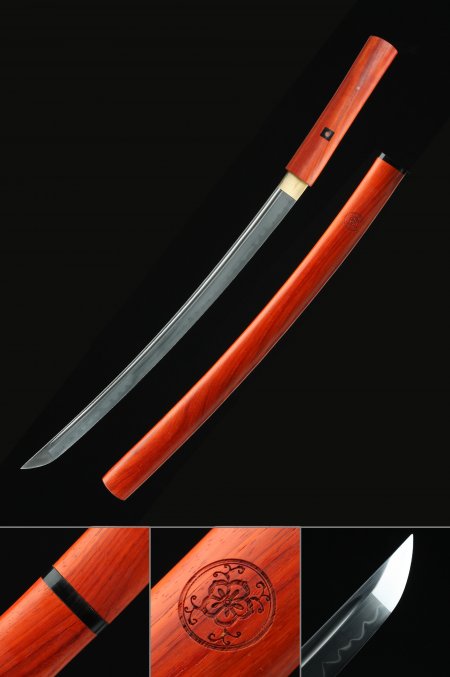
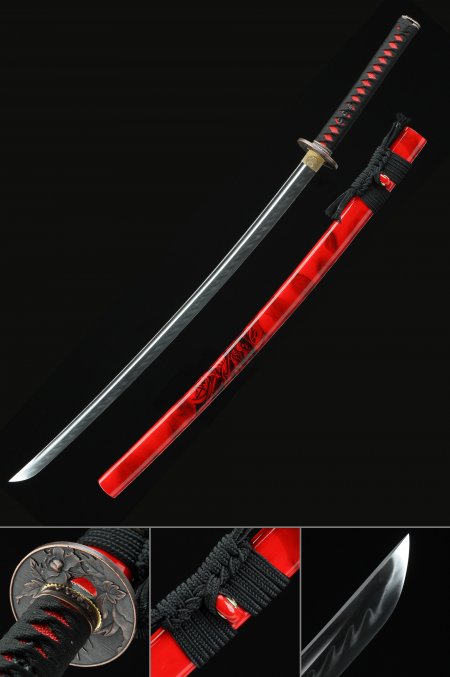
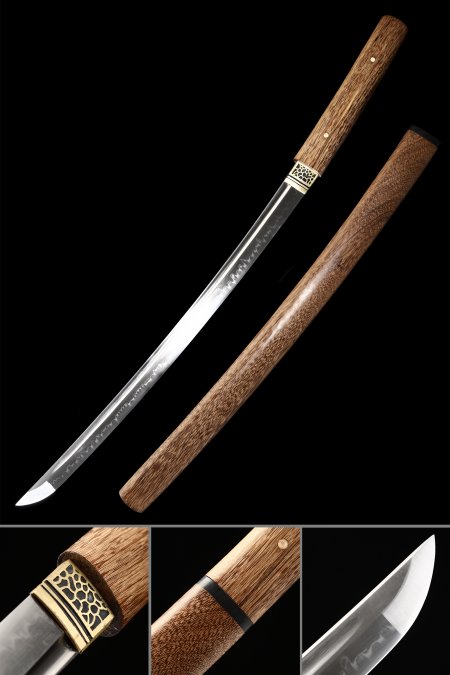
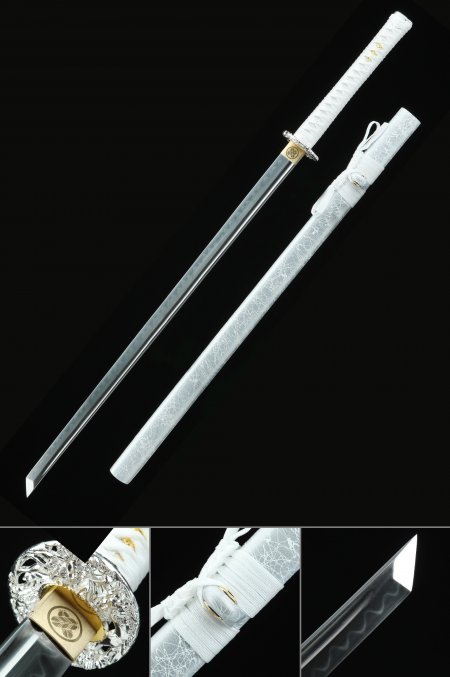
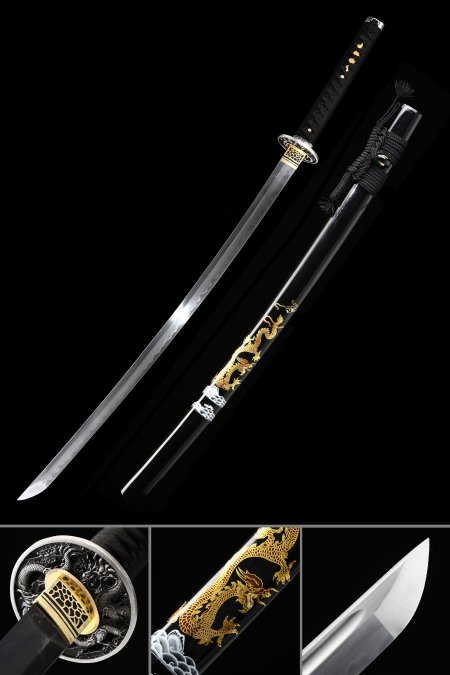
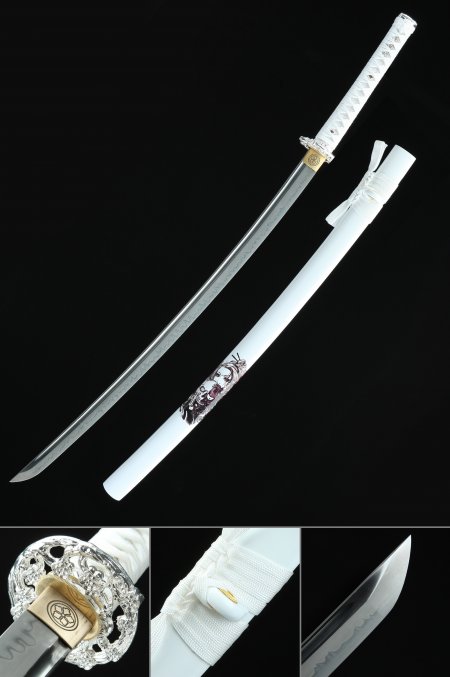
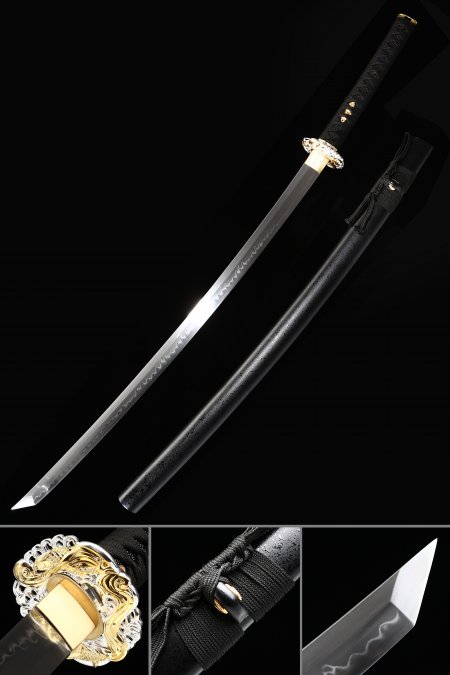
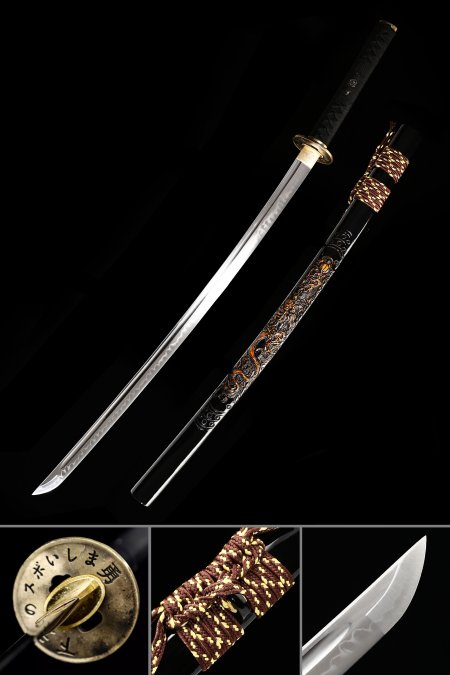
Clay tempering and folded steel work together in T10 construction to produce hamon of exceptional definition and activity. The folding process refines the grain structure of the T10 steel, creating a more uniform and responsive material for the differential hardening process. When the clay is applied and the quench performed, the refined grain structure of the folded steel responds with greater precision: the hard edge zone transitions to the softer spine zone at a boundary that is more sharply defined and more actively textured than in non-folded steel. The nie and nioi activity visible in the hamon - the crystalline martensitic structures at the boundary zone - are more pronounced in well-folded T10 than in standard T10. For collectors who evaluate katana primarily through hamon quality, the combination of hand folding and clay tempering in T10 represents the highest achievable standard.