How does 1060 steel compare to 1095 in a katana collection?
Updated Mar 2026
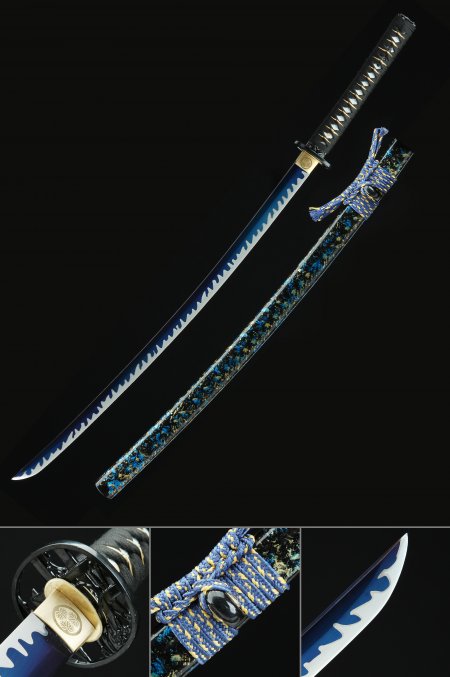
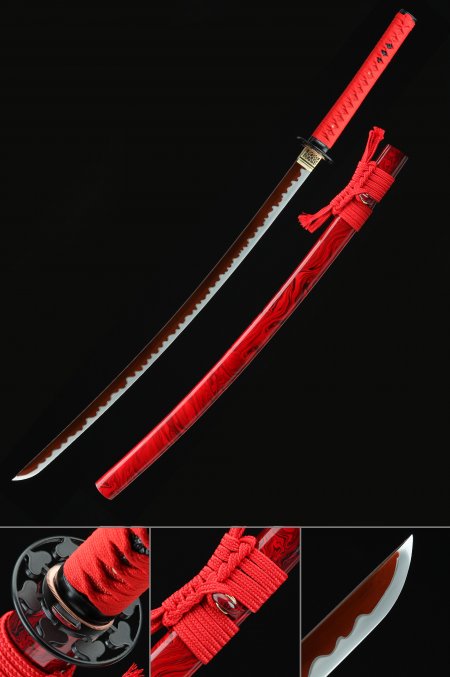
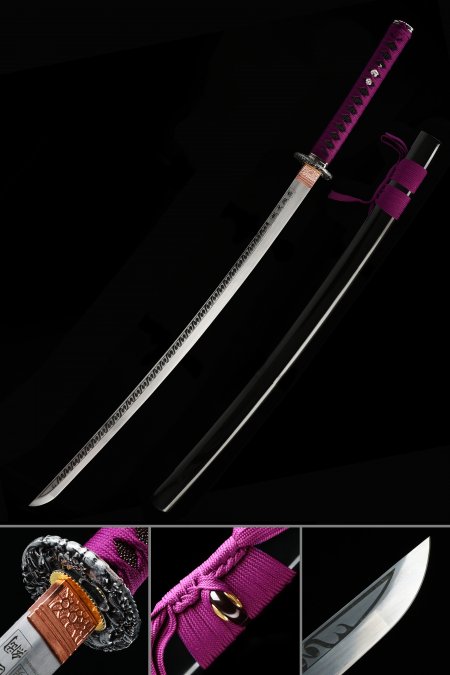
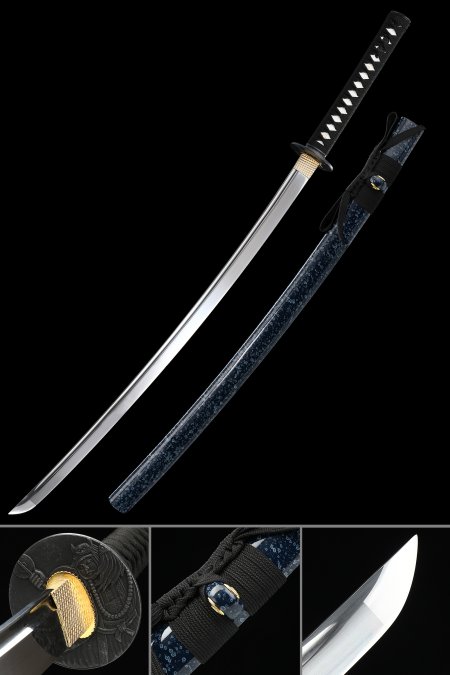
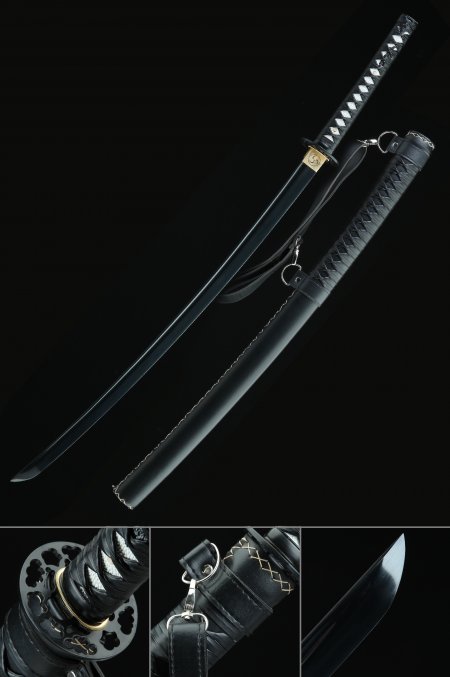
The key difference is carbon content and what that means for hardness and visual character. 1095 carbon steel, at approximately 0.95% carbon, is harder and produces a more pronounced hamon when clay-tempered - the transition line between the hardened edge and softer spine becomes sharper and more dramatic. This makes 1095 blades visually striking under good lighting and popular among collectors who prioritize surface detail. 1060, sitting lower in carbon content, produces a softer yet more flexible blade profile with a subtler hamon. For long-term display, 1060 is somewhat more forgiving of environmental variation and requires slightly less vigilance against brittleness. Neither grade is inherently superior - the right choice depends on whether a collector prizes maximum visual activity in the hamon or prefers a blade with more balanced structural properties.