What does the dragon symbolize in Japanese and Chinese sword culture?
Updated Feb 2026
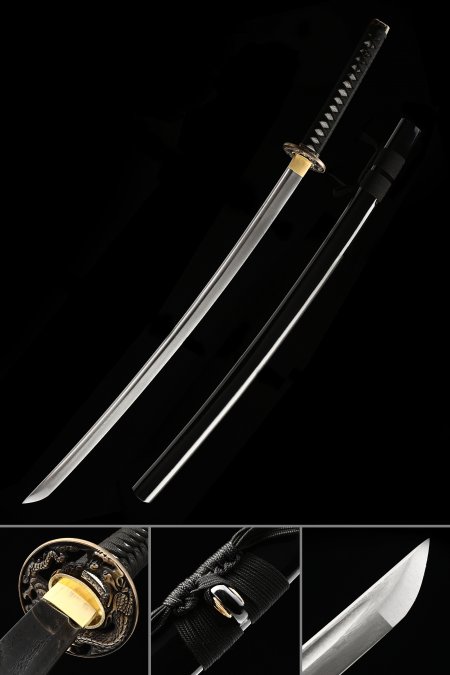
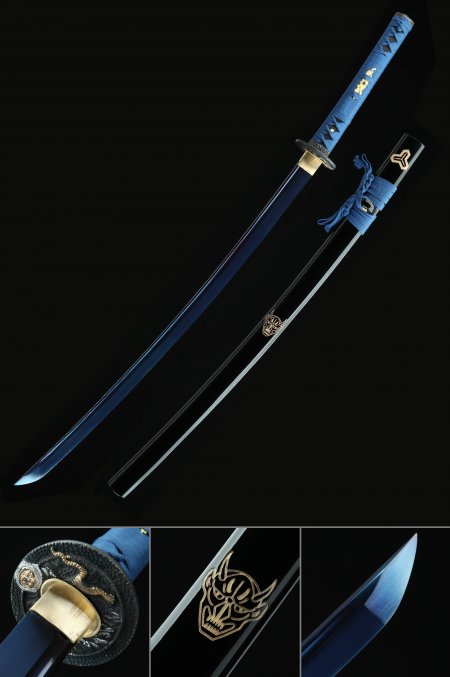
The dragon holds the highest symbolic position in East Asian mythology and its presence on a sword carries profound cultural significance in both Japanese and Chinese traditions. In Chinese tradition, the dragon is the supreme mythological creature, associated with the emperor's personal authority, celestial power, and the control of water and weather. The five-clawed imperial dragon was reserved exclusively for the emperor's use in Chinese imperial symbolism. In Japanese tradition, the dragon - ryu or tatsu - is a divine being associated with water deities, wisdom, and transformative spiritual power. Japanese dragons are typically benevolent water deities rather than the adversarial fire-breathing dragons of European tradition. On a sword, dragon imagery traditionally indicated a blade of exceptional quality or significance - a blade worthy of the dragon's patronage and power. In the context of a katana collectible, dragon motifs on the tsuba, scabbard, or handle communicate the bearer's connection to this symbolic power. A gold dragon katana that combines the dragon's imagery with gold's prestige creates a blade that carries the maximum weight of East Asian symbolic tradition in a single collectible piece.