How does a Chinese two-handed sword compare to a Japanese nodachi?
Updated Feb 2026
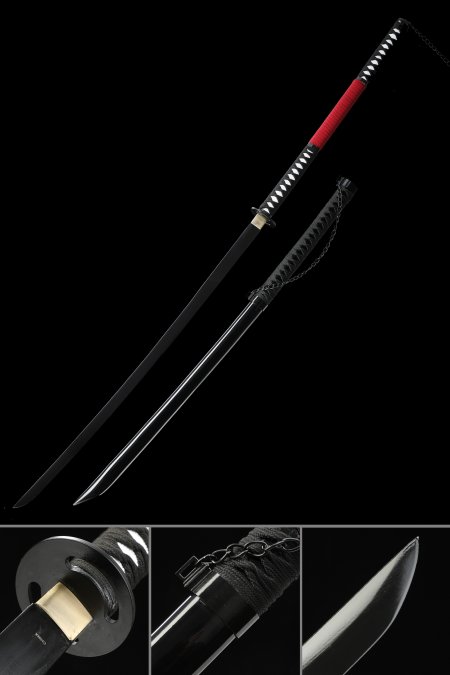
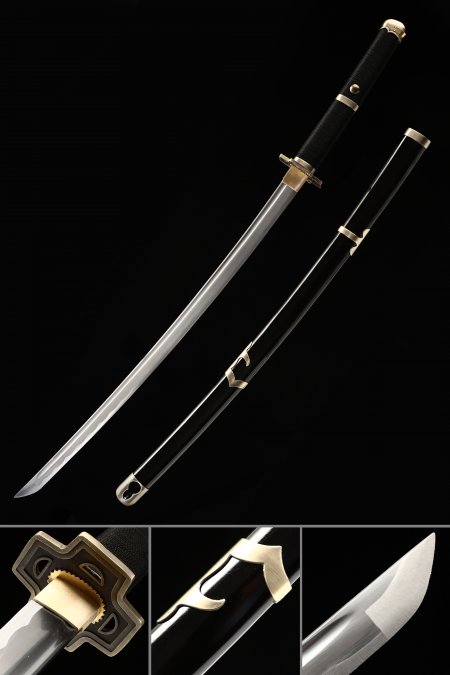
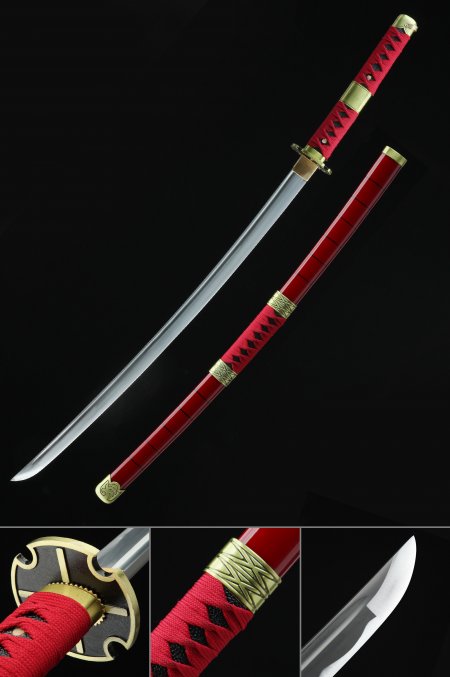
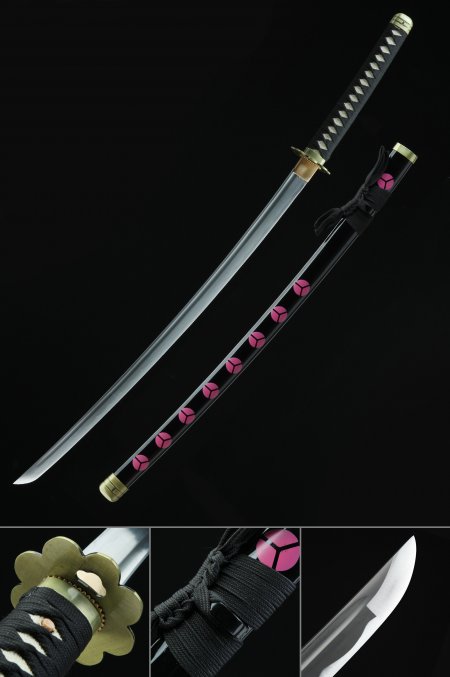
Chinese two-handed swords and Japanese nodachi (or odachi) are the closest historical parallels in their respective traditions - both are extended long swords designed for two-handed use, both developed in the medieval period of their respective cultures, and both share the basic structural logic of maximizing reach through extreme blade length combined with a two-handed handle. The primary differences are in the specific blade geometry and fitting traditions. Chinese two-handed swords in the miao dao and zhanmadao tradition use blade profiles consistent with Chinese dao construction - specific curvature profiles, cross-sections, and tip geometries that reflect the Chinese single-edged blade tradition. Japanese nodachi use blade profiles consistent with Japanese sword geometry - the specific curvature, taper, and kissaki tip geometry of the katana tradition at extended scale. The fittings and handle conventions differ as well: Chinese two-handed swords use the tsuba and handle conventions of the Chinese sword tradition, while nodachi use Japanese fitting conventions. In collecting terms, both are equally impressive at full display scale, and many collectors of large Asian blades find both traditions rewarding to explore.